How to Choose the Right Water Heater For Your Home

How to Choose the Right Water Heater For Your Home

Whether you’re planning to replace an older water heater with the same type or exploring other options to upgrade its efficiency or capacity, there are many factors to consider. Buying the right appliance requires more than taking into account your home’s hot water usage and the utilities available. You’ll also want to keep in mind household size and any potential future changes to it that will affect water usage during the water heater’s life span.

This guide will help you determine which water heater to choose to meet the needs of your home to balance comfort, energy efficiency, and utility costs.

Start by Determining Your Household's Hot Water Needs

The most important factor to consider when buying a new water heater is your household’s hot water needs, which dictates the capacity you’ll need. Start by asking yourself these three questions:

  1. How many people live in your home? Larger households need higher-capacity storage tanks for traditional water heaters. If you’re in the market for a tankless unit, these “on-demand” water heaters may not be able to supply water for multiple showers at one time.
  2. What is your peak hot water usage? Total daily usage may seem more important, but in fact, peak demand matters more when it comes to your household’s comfort.

    Standard showerheads have an output of about 2.5 gallons per minute on average, according to the EPA. In homes without adequate storage capacity during busy morning shower times, a person taking a long, hot shower may use up all the hot water in the storage tank, leaving those who follow with only lukewarm or cold water until the hot water supply can be replenished.

    Homeowners with large soaking tubs will need to take into account the gallons of water needed to fill a tub to provide adequate hot water for bathing. Also consider how often you’ll need to simultaneously run multiple appliances that use hot water, like washing machines and dishwashers.

  3. What are your household’s future needs?
    A water heater with a smaller capacity may suit your family’s needs now, but if you’re planning to have children or move in aging parents down the road, you’ll want to ensure the water tank has enough capacity to accommodate those new members.

    Dreaming of a home addition? If your plans include additional bathrooms, kitchens, or water-intensive new appliances, consider any water usage increases now to avoid having to upgrade your water heater later, adding an unexpected expense to your remodel.
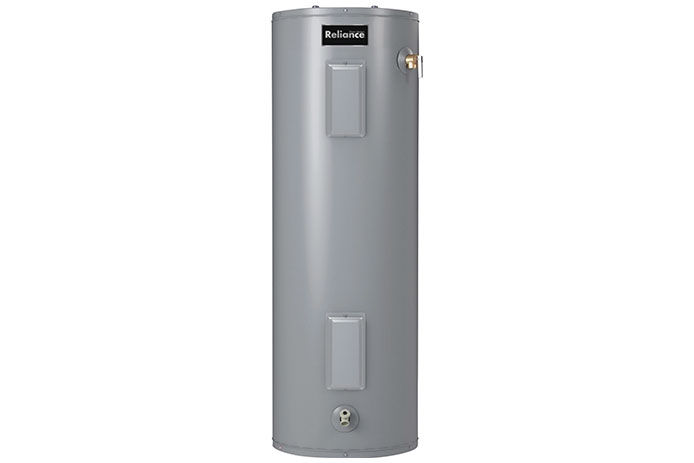
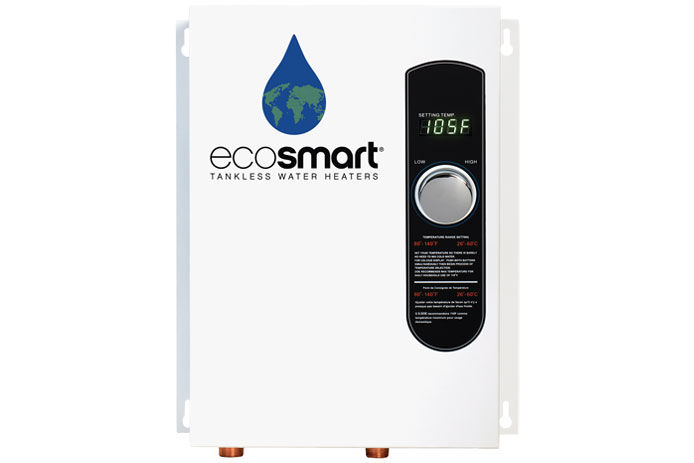
Understanding Water Heater Types

With a clearer picture of how much hot water your household needs now and in the future, you can compare water heater types to determine which will meet your projected usage while maximizing energy efficiency and operating with existing utilities that service your home.

Water Heater Comparison Chart
 OperationApplicationsCostsEnergy EfficiencyFuel Type
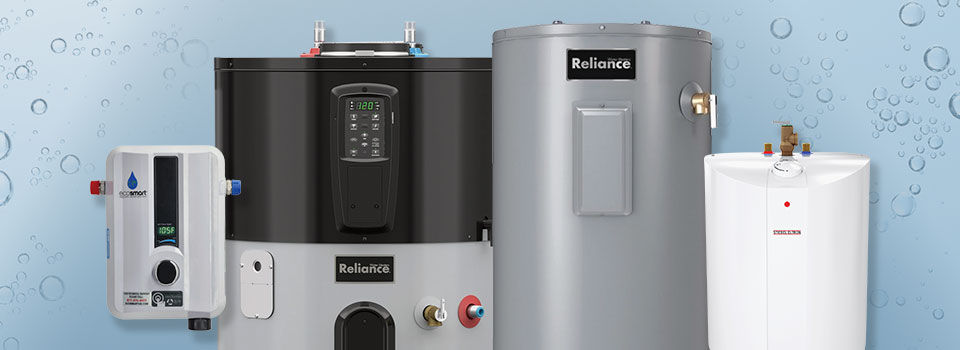
Traditional Storage TankHolds water and keeps it hot, refills and reheats when depletedLarger households with higher peak hot water demands; multiple hot water appliancesLess expensive to install, more expensive to operateLess energy efficient than tankless or hybrid heat pumpNatural gas, electricity, propane, oil
TanklessHeats water on demandSmaller households with lower peak hot water demands; homes where multiple fixtures don’t require hot water simultaneouslyMore expensive to install, generally less expensive to operateGenerally more energy efficient than traditional storage tanksNatural gas, electricity, propane
Hybrid Heat PumpHeat pump draws warmth and moisture from the ambient air and converts it to heat for heating water. Electric backup system kicks in when heat pump can’t meet demand. Doubles as dehumidifier.Homes with ambient air temperature between 40 and 90°FMore expensive to install and purchaseMost energy efficientElectricity
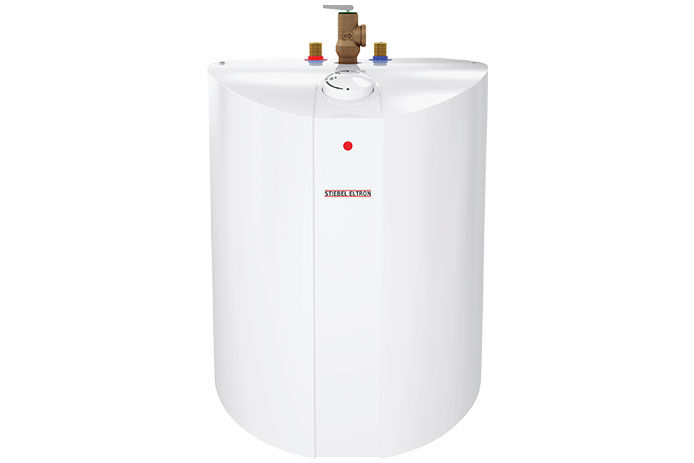
Point-of-UseSmall tankless or storage tank options availableHome additions, detached garages, workshops, RVsDepends on fuel type and water heater typeCan make an existing system more energy efficient by reducing heat loss from heater to fixtureElectricity, propane


Selecting the Right Fuel Source

If your home is already serviced by both gas and electric utilities, you have more options for water heater fuel sources.

Electric Water Heaters

Electric water heaters are generally the easiest to install, as most homes are already on the electrical grid, and they don’t require gas lines or vents to operate safely. Water heaters fueled by electricity also generally cost less to purchase to install than many gas models. However, larger households with higher hot water demand may find that water reheating for traditional storage tank heaters takes longer.

Shop all electric water heaters at Do it Best for a wide range of water heater types that meet your household’s hot water needs.

Gas Water Heaters

For medium to larger households with high hot water needs, gas water heaters may deliver the best hot water experience. Gas heaters tend to heat water faster so that depleted storage tanks can quickly refill and heat during times of peak usage.

In areas where natural gas is more affordable, gas water heaters often cost less to operate than their electric counterparts. However, vents and an existing natural gas connection are required.

Shop all gas water heaters to find the right capacity for your home.

Hybrid Water Heaters

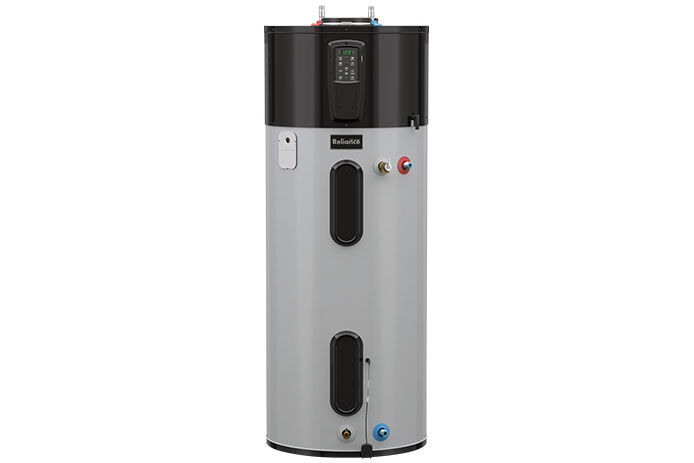
Heat pump hybrid water heaters combine a traditional electric heating element with heat pump technology, so they can automatically switch to electric resistance heating during periods of unusually high demand. These dual-system water heaters use considerably less electricity than standard electric water heaters, lowering operating costs while providing reliable hot water.

For the most energy efficiency potential, shop all hybrid water heaters.

Propane Water Heaters

For rural homes without natural gas connections and where electricity may be unreliable, propane water heaters offer an alternative. Like their natural gas counterparts, propane heaters have relatively fast recovery rates to refill storage tanks and replenish hot water quickly. Unlike natural gas or electric models, propane water heaters require regular replacement of propane tanks to operate continuously.

For rural year-round residences or vacation homes, we recommend the Reliance 30 Gal. Tall Standard Vent Liquid Propane Water Heater.

Choosing the Right Water Heater Size

Water heater size is directly related to your household’s projected peak water usage. Once you’ve determined which type of water heater you need, calculate peak water usage using the tips below to help you size your water heater correctly.

Tank Water Heater Sizing

Storage tank water heaters use a straightforward measure called first hour rating, or FHR, which determines how many gallons of hot water the appliance can deliver during the hour of highest usage. You can find this number on the product’s ENERGY STAR label.

Keeping FHR in mind when choosing a water heater will help prevent unwanted cold showers or laundry cycles before the tank can refill and heat, but a more straightforward place to start is water tank size.

Use these tank capacity guidelines as a starting point for sizing based on the number of members in your household. But keep in mind water usage may be affected by other factors and that households with large soaking tubs, multiple bathrooms, or frequent simultaneous hot water use may benefit from sizing up.

Household SizeTank Capacity (in gallons)
1–2 people30–40
2–3 people40–50
3–4 people40–50
5+ people60–80


Tankless Water Heater Sizing

Unlike storage tank water heaters, tankless units use a measure of gallons per minute (GPM), which measures how much hot water the unit can produce continuously. To calculate GPM for a tankless water heater model, add the projected flow rate of fixtures that may be used simultaneously, such as showerheads, dishwashers, and washing machines.

While GPM is a useful measure to help you size a tankless heater, keep in mind that an undersized unit may struggle to maintain water temperature when multiple fixtures are drawing hot water at the same time.

Energy Efficiency

When choosing a water heater, you may find that shopping for an energy-efficient model requires a trade-off. Units that cost less to run over the life of the appliance may be more expensive to purchase and install up front.

Gas storage tank units tend to be the least energy efficient, but because they are the least expensive to install with an existing gas hookup, they remain a popular choice, especially in areas where natural gas is less expensive.

Hybrid models offer the most cost savings over the life of the unit, provided the heat pump is utilized more than the electric system. Electric tankless models tend to be more energy efficient than storage tank types, depending on usage. For the most energy efficient water heater, look for ENERGY STAR certified models.

We recommend the Reliance 66 Gal. Tall Smart Electric Heat Pump Hybrid Water Heater for the most energy efficiency under the right ambient conditions.

Maintenance

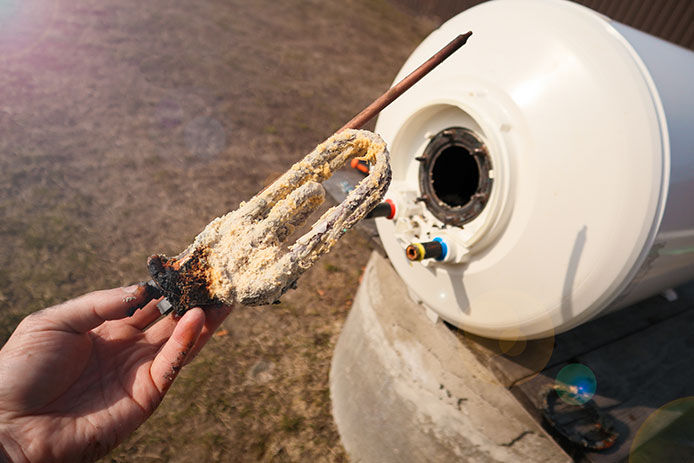
Replacing a heating element in a water heater damaged by scale and limescale

To improve energy efficiency, extend the life of the water heater, and reduce the risk of unexpected unit failure, remember to schedule regular maintenance for your water heater. The type and frequency of maintenance depends on the type of water heater you choose.

Traditional storage tank heaters:

  • Flush annually.
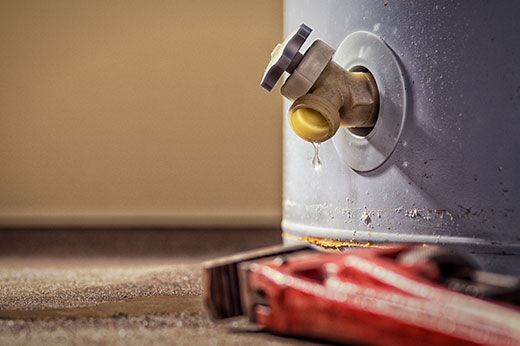
  • Anode rod should be inspected and replaced periodically to protect the tank from corrosion.

Tankless water heaters:

  • Descale regularly, especially if you have hard water.  

Heat pump water heaters:

  • Clean air filters occasionally

Installation Requirements to Think About Before Purchasing

Some homeowners have plenty of options to consider when buying a new water heater, but others may be limited by the available space to install, utility service, and venting and drainage possibilities.

To avoid costly mistakes, try these tips:

  1. Check your space: Measure the available installation space to ensure the new water heater will fit properly. Keep in mind that hybrid heat pump units are taller than traditional storage tank models, so be sure to check ceiling heights, especially if you live in an older home. They also require additional surrounding air space and drainage to operate.
  2. Venting, electricity, and plumbing:
    • Gas water heaters need proper venting and access to a natural gas supply.
    • Electric and heat pump models need the correct electrical service, and some may require dedicated circuits.
    • Assess whether your existing plumbing connections match the new unit.
  3. Replacing vs. upgrading: Replacing a water heater with the same type is often simpler than switching fuel sources or from storage tank to tankless.
  4. DIY vs. professional installation: To comply with building codes and warranty requirements, professional installation is recommended for most water heaters.

Choosing the Right Water Heater Today

The right water heater depends on the size of your household and your family’s hot water usage, the fuel sources available at your residence, the space you have available to install it, and your budget.

To get expert help before purchasing, visit a local Do it Best store, or shop water heaters online today and take advantage of home delivery or same-day pickup.


test

Repairing vs. Replacing a Broken Water Heater

Learn how to spot common problems, when a repair may be enough, and when replacing your water heater could be the better long-term investment.

Learn more
test

How to Keep Your Pipes from Freezing

Seven simple tips to avoid plumbing damage as the temperature begins to drop

Learn more
test

How to Troubleshoot a Dishwasher

Easy DIY repair tips you can try before calling a professional

Learn more
test

How to Replace and Install a Bathroom Faucet in 6 Easy Steps

Easily upgrade your bathroom or kitchen with some new fixtures

Learn more
test

Made in the USA

Four American-made brands with craftsmanship and quality you can trust

Learn more