
How to Use a Power Washer for Cleaning a House, Deck, and Driveway
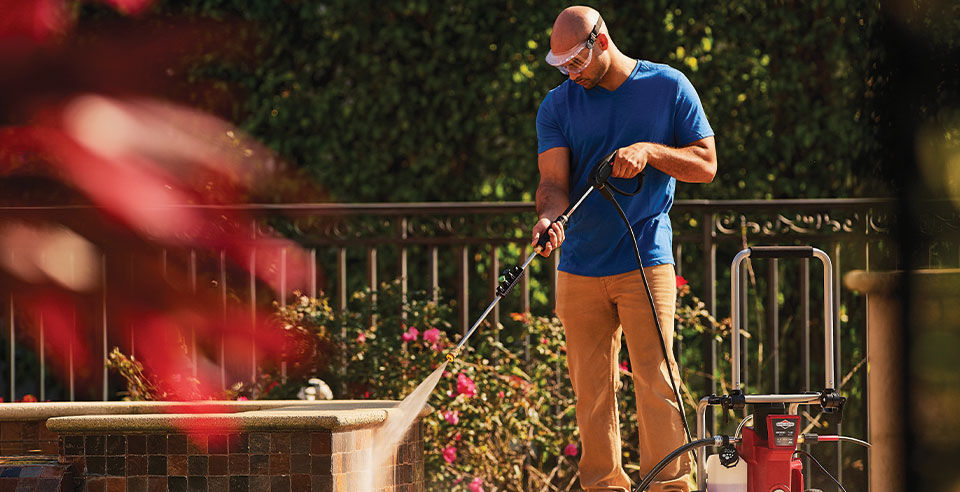
Also known as pressure washers, power washers are great for cleaning your home’s siding, deck boards, and driveway stains. They can provide up to 80 times the power of the average garden hose. All that power, though, can do some damage if you don’t know how to use it. Avoid damaging your home by following these tips for safe and effective power washing.
Choose the Right Power Washer
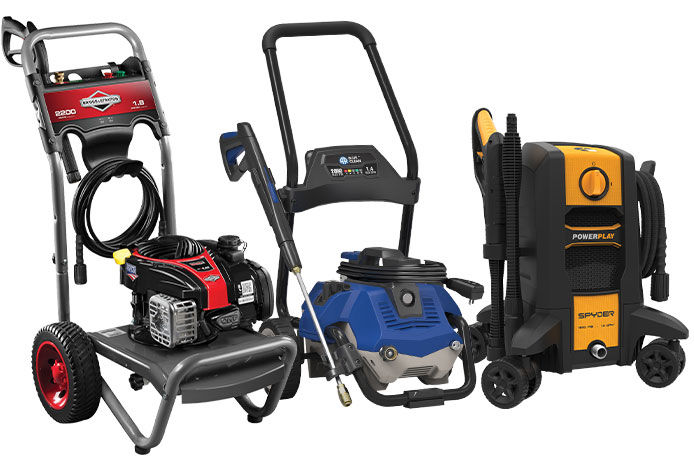
You don’t need a professional grade power washer to get good results on home siding and decks. Even concrete will look cleaner and lose most stains from a homeowner-grade pressure washer. Many washers are soft washers, which means that their pressure levels are safer for softer materials like vinyl and wood. Because commercial pressure washers are typically designed for blasting grime off concrete and steel, they’re generally not a good choice for backyard projects.

Avoid Nozzles Below 15 Degrees
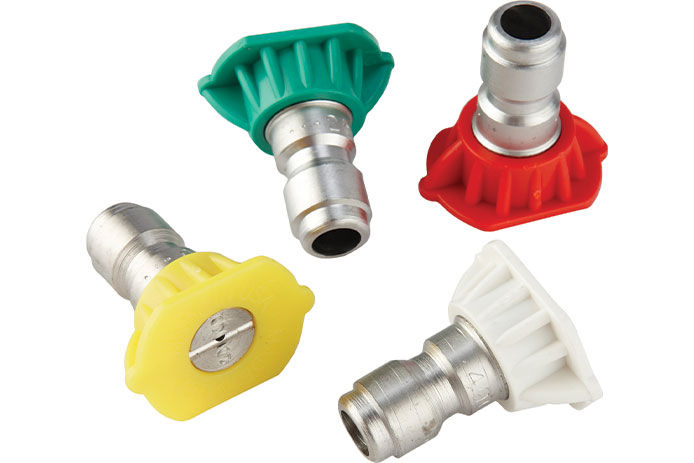
Most power washer kits include a zero-degree nozzle that produces a pinpoint spray of water. This is the most dangerous type of spray, and there are very few uses for it. To ensure that the stream doesn’t penetrate safety equipment and damage you or your home, start with the 15-degree nozzle and work your way up. Even the toughest stains and the most demanding pinpoint work is easy enough with a 15-degree nozzle.
Wear Safety Equipment
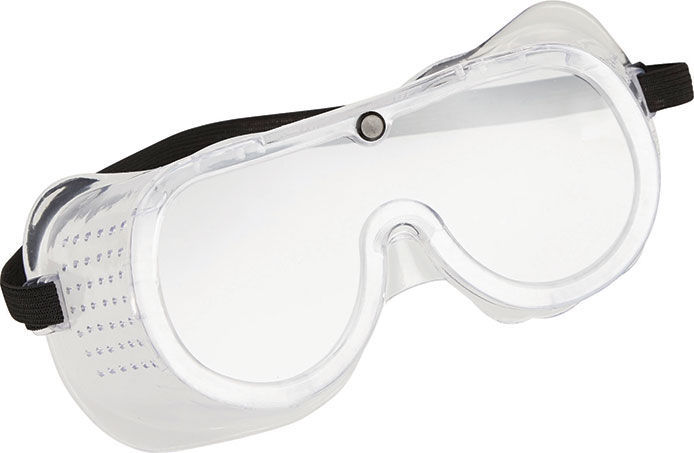
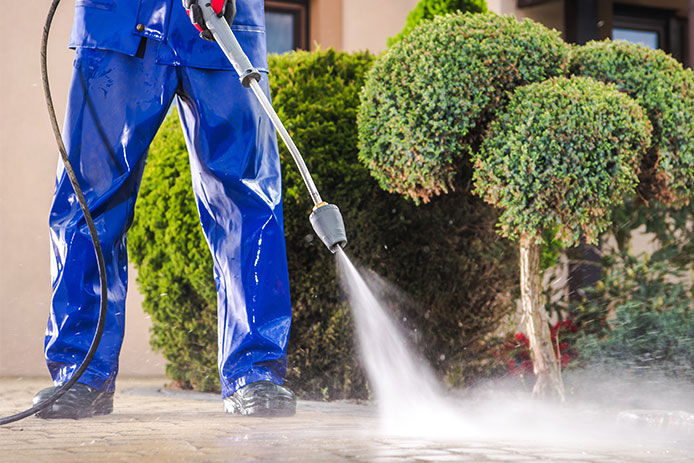
Grab some heavy-duty work gloves and goggles for this job. Also be sure to wear long sleeves and pants, as bare skin is easily broken by the full pressure of the spray. Don’t let anyone play or work near where you’re spraying unless they’re also wearing safety equipment and watching your movements.
Remove Debris and Trip Hazards
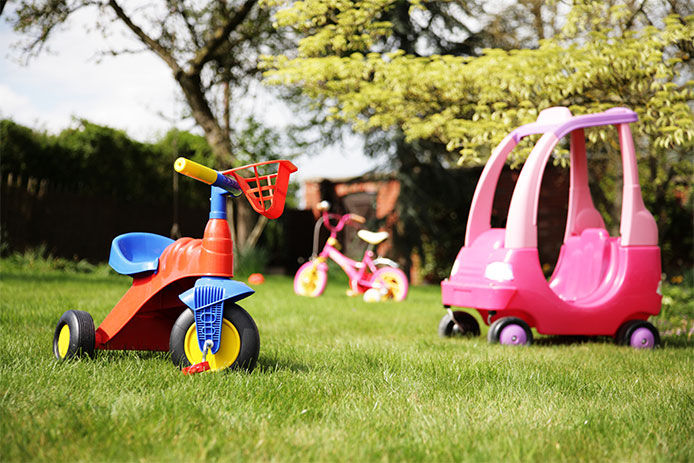
You don’t want to trip and fall while holding a nozzle that’s spewing out high-pressure water. The hoses and cords required for the power washer already create trip hazards, so take away lawn equipment, tree branches, and other debris in your work area before starting. This is especially important when you have to look up to clean something.
Choose a Cleaning Product
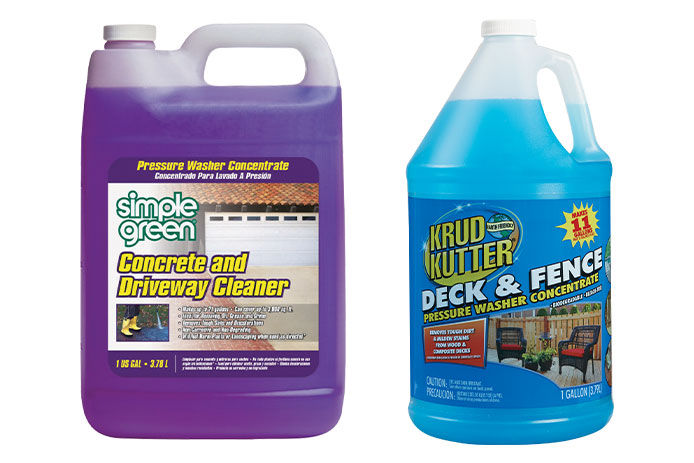
The first step in power washing is applying the cleaning product. There are soap mixtures formulated specifically for vinyl siding, metal materials, concrete, and pretty much anything else that you want to clean. Find a product that matches your materials and load it into the pressure washer. Use the soap tip to cover the surfaces with an even, moderately thick layer of soap, then let it sit for the recommended time.
Scrub the Surface as Much as Possible
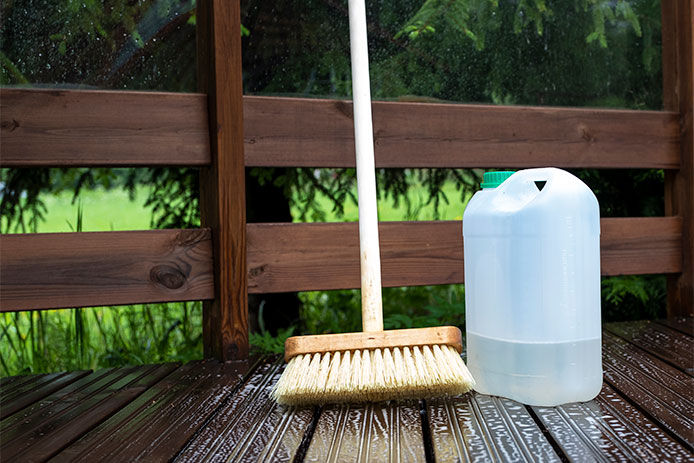
Grab a soft-bristled brush (use a firmer bristle for concrete) and scrub as long as you can, focusing on any stained or discolored areas. Don’t over-scrub wood deck boards; it will lift the fibers and damage the material. Softer bristles allow you to scrub longer on stained spots without scratching or damaging the material. Avoid scrubbing painted wood or cement boards, as this could loosen the coating and allow moisture to penetrate deeper.
Use a Wide Spray for Rinsing
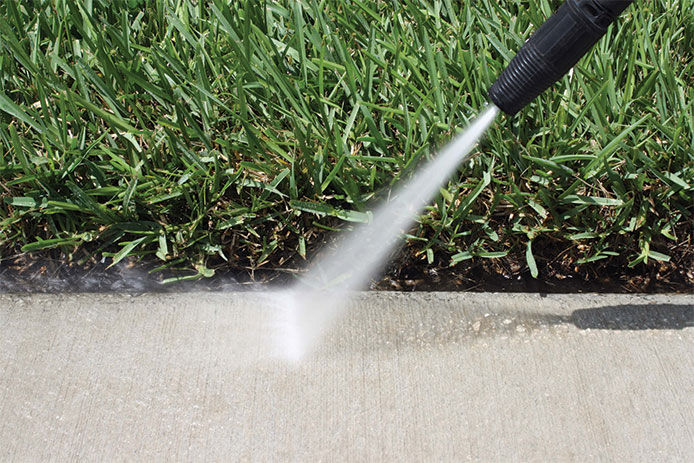
When you’re done scrubbing, grab a wide nozzle attachment and spray away the suds. Use a tighter angle spray to remove any stubborn lingering stains — concrete and metal siding and trim materials can withstand it. Use the brush and an extra application of cleaning products for remaining stains on less durable materials.
With these tips, you’ll be ready to tackle any power washing project your home may need. Happy cleaning!
Related Articles
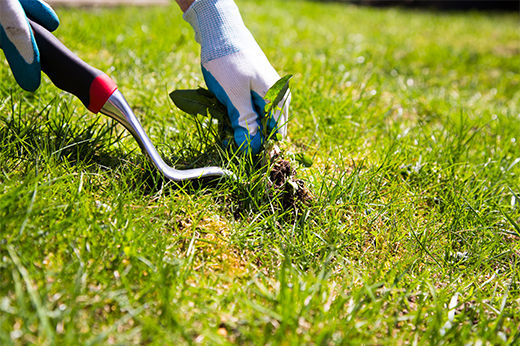
How to Kill Weeds Without Killing Your Grass
Killing grass while trying to eliminate lawn weeds is a struggle for many homeowners. Learn more on how to kill weeds naturally without harming your grass.
Learn more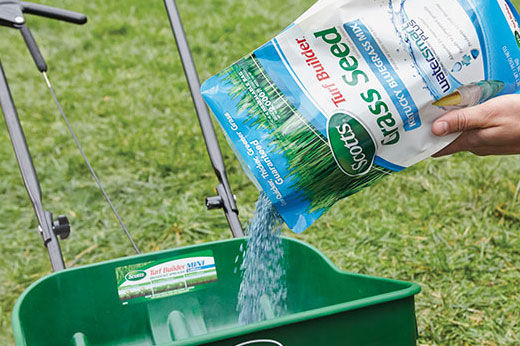
How to Properly Plant Grass Seed for a New Lawn
Learn how to properly seed a new lawn with this full guide. Explore the importance of preparing your lawn, apply seed, and how to ensure your seed grows.
Learn more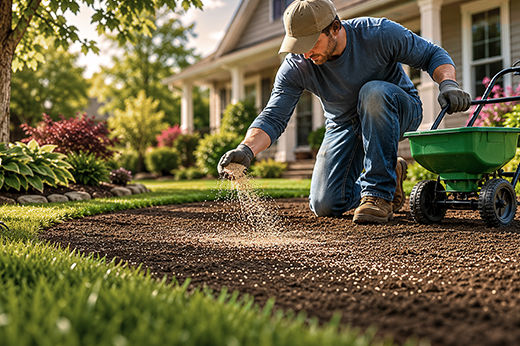
When is the Best Time to Plant Grass Seed?
Not sure when to plant your grass seed? Find out the ideal timing based on your climate, grass type, and seasonal conditions for the best results.
Learn more
Grass Seed Buying Guide
Get better results from your lawn by choosing the right grass seed. Explore key factors like climate, usage, sun exposure, and more before you buy.
Learn more
Snowblower Buying Guide: Spend Less Time Shoveling
Learn how to pick the best type of equipment to fit your needs
Learn more