
Types of Ladders at Do it Best
There are a surprising number of options when it comes to ladders, and not all types are the right fit for every project. Here’s the rundown on the types of ladders you’ll find at Do it Best.
Ladder Type | Best Purpose | Features | Typical Height | Image |
Indoor projects, painting, hanging décor. | Self-supporting with nonslip treads; lightweight in aluminum or fiberglass. | 6-14 feet | ||
Exterior jobs, such as roofing and maintenance. | Adjustable height; slip-resistant rungs. Some models have rope-and-pulley systems. | Up to 40 feet | ||
Long-duration indoor work, painting, and ceiling fixtures. | Wide standing platforms; guardrails for balance and stability. | 8-16 feet | ||
Outdoor work, professional services. | Retractable design with compact storage; lightweight aluminum; locking mechanisms for each rung. | 8-16 feet |
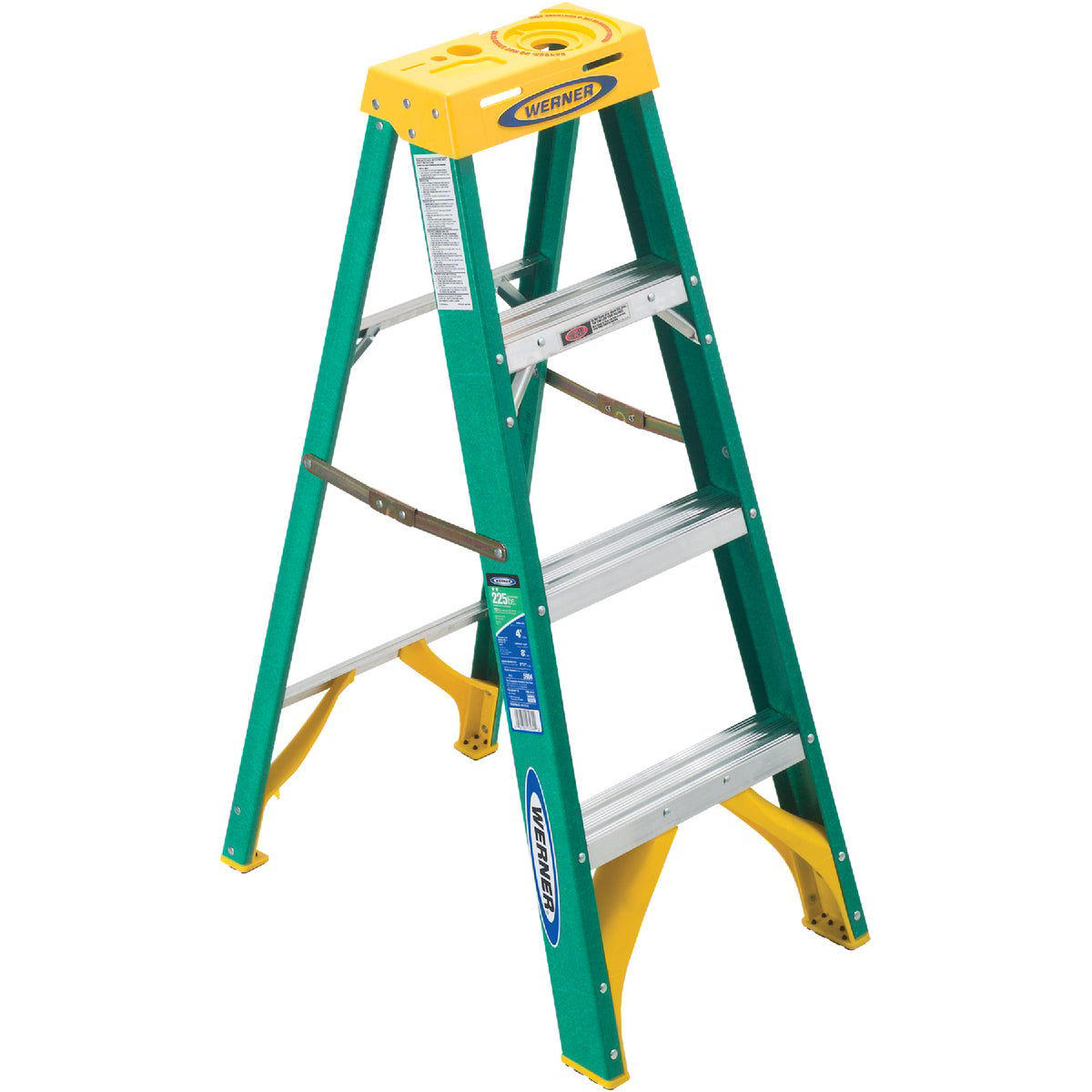
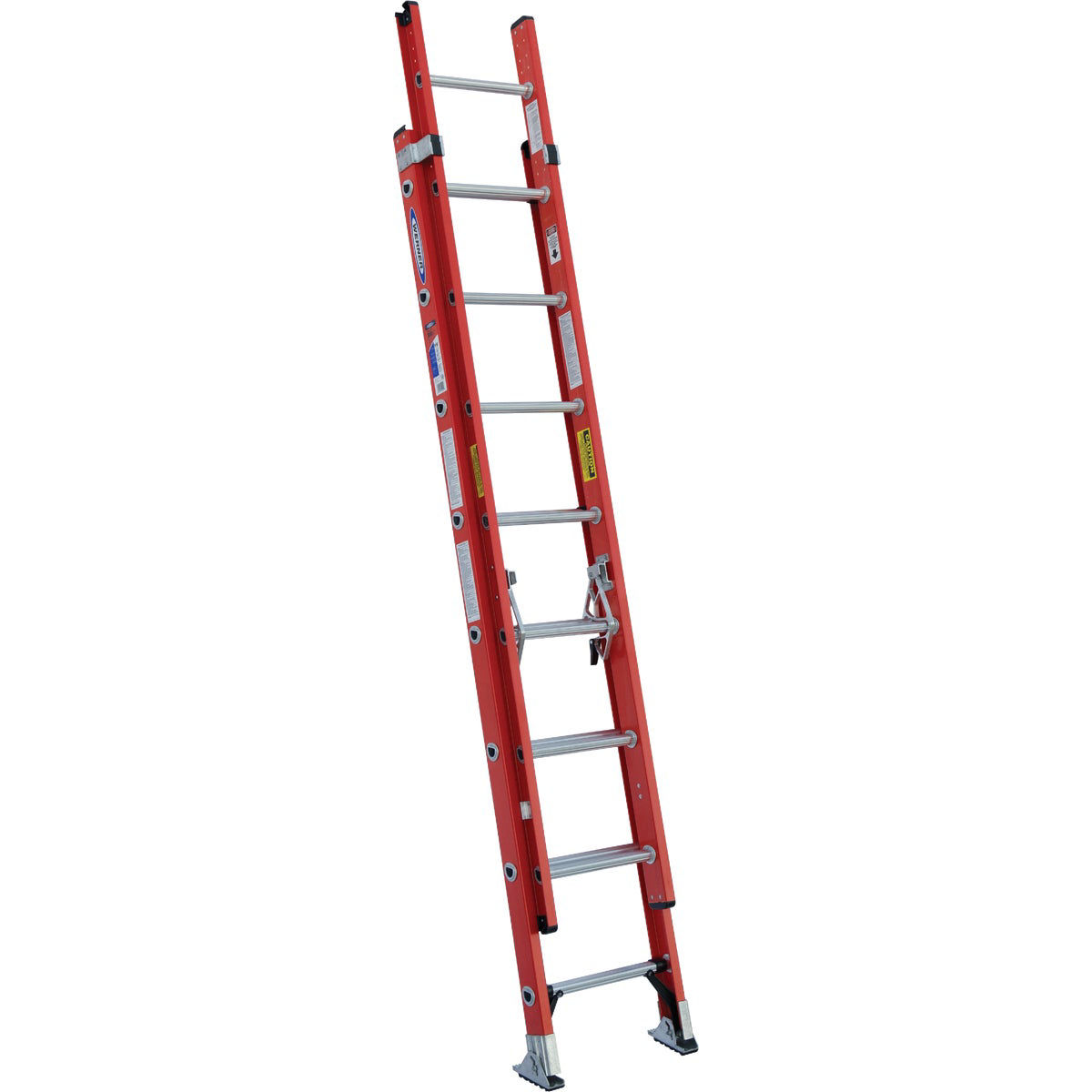
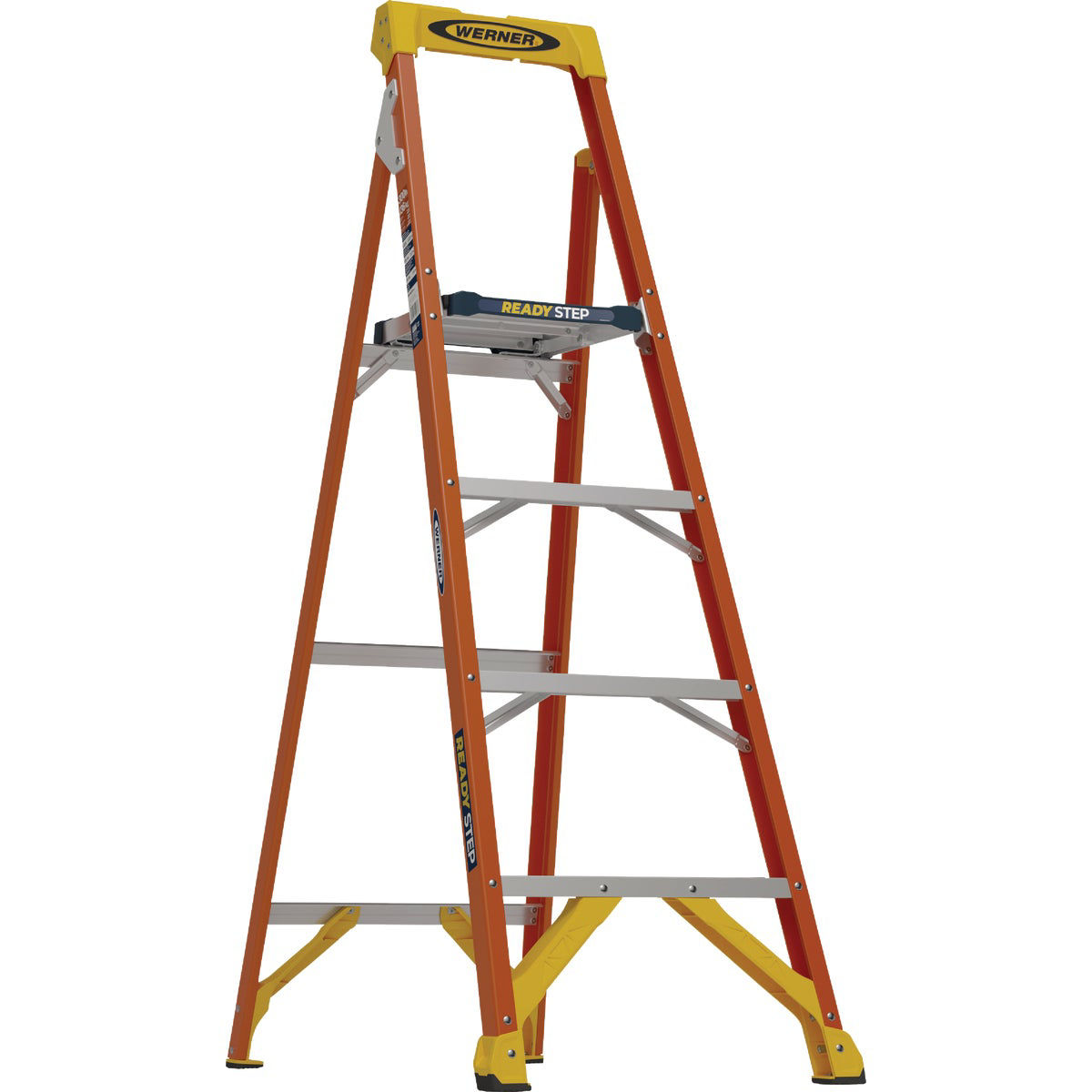

Step Ladders
Step ladders are usually the go-to choice for indoor projects. If you need something portable and easy to set up, a step ladder fits the bill. Many have a self-supporting A-frame, making them stable on level surfaces—no need to use a wall for support.
Fiberglass models are often rated for electrical safety, so they're an ideal choice for installing light fixtures, repairs, or painting near wiring. Nonslip feet and wide steps help you stay nice and steady, even during longer tasks.
Extension Ladders
When you need to reach the roof, gutter, or second-story windows, an extension ladder is the right option. Extension ladders typically feature two or three sections that allow you to extend the reach anywhere from 16 to 40 feet.
Some extension ladder models feature heavy-duty locking mechanisms and durable side rails for extra safety and rigidity. When it comes to selecting a material, it depends on your plans—lightweight aluminum is a good choice for easy handling, while fiberglass offers extra safety and non-conductivity for electrical projects.
Platform Ladders
Need a ladder for extended use? Platform ladders are the comfortable choice. These ladders feature a large standing platform that lets you work on projects securely, while keeping both hands free.
Platform ladders are a must for long painting, drywall, or home maintenance sessions. Integrated features like guard rails and tool trays add convenience and even more flexibility for professional jobs as well as DIYers.
Telescoping Ladders
A telescoping ladder is a breakthrough innovation if you’re looking for compact storage and easy transport. These ladders collapse into just a fraction of their original height, making them quick and easy to transport in a car trunk, truck bed, or utility van.
Each rung on a telescoping ladder locks, allowing you to achieve the proper height adjustment. These ladders feature lightweight construction that's ideal for contractors on the go as well as homeowners who need flexibility.
We carry a full lineup of step ladders, extension ladders, platform ladders, and telescoping ladders. When you shop at Do it Best, you’ll find all the tools you need to tackle heights with safety and ease.
Why It’s Important to Select the Right Ladder
You may think that ladder selection comes down to height, but there are other factors to consider as well. Safety is crucial, so it's important to get a ladder that offers comfort, flexibility, and safe mobility.
Each ladder serves a unique purpose, and choosing the right one for your job will cut back on wasted time, strain, and other hazards. Keep yourself on solid footing for any and every project that requires an extended reach.
Safety First:Thousands of injuries occur each year due to ladder-related accidents. It’s critical that you match the ladder to the task. Even if you’re using a ladder at home for personal projects, it should meet OSHA and ANSI safety standards.
Time-Saver: When you choose the proper-sized ladder for your project, you reduce the times you have to go up and down, reposition the ladder, or strain to reach. Not only is it safer, but it’s much faster to use the right ladder.
Comfort: Many of the ladders available today feature ergonomic tweaks like generous treads and wide bases. These updates make ladders more stable and reduce fatigue on your arms and legs.
Portability: When space is limited, a telescoping ladder gives you a compact, lightweight way to reach heights. Many are made with lightweight materials, making them easy to carry and to store.
How to Choose the Right Ladder
Several considerations should factor into your ladder selection. Safety is always the biggest factor, but safety is directly related to the reach height and user comfort. Here are the features you should explore before you buy a new ladder.
Reach Height:
What is your estimated working height? Don’t just consider the ladder length, but include your own height in the equation. For example:
A 6-foot step ladder allows you to work at a height of about 10 feet (for a user that's between 5'5"and 5'10").
A 24-foot extension ladder will allow you to access about 23 feet in total height due to the areas that overlap.
As a general rule, you should select a step ladder that lets you stand no higher than the third rung from the top, or the fourth rung from the top for an extension ladder. This height rule keeps you safe and stable.
Job Type:
Another important consideration is the task you plan to do with the ladder. Different tasks require different types of ladders.
Extension Ladders: Roofing and home exterior work
Step Ladders: Indoor painting, decorating, organizing
Platform Ladders: Long-duration work on ceilings or walls
Telescoping Ladders: Multi-location jobs
Weight and Load Capacity:
Ladders also typically feature a "duty rating." This safety classification reflects how much a ladder can support in total. When you make the calculation, you should include your body weight, tools, and materials for your project (everything that will need to be held up by the ladder). Keep the total under the weight capacity to keep yourself steady.
Storage and Transport:
Limited space? Folding or telescoping ladders can be a great answer for easy transport. Aluminum ladders are extremely lightweight and portable. Fiberglass options hold up to weather and outdoor use, and protect you during electrical work.
Surface Stability:
For safety, look for ladders with leveling feet and nonslip grips. This allows you to make adjustments when you're working outside and in inclement weather. Rubber footpads or stabilizers will keep the ladder from shifting. (Of course, always set your ladder on a solid, stable surface before using.)
Whether you’re a DIY-ing homeowner or a seasoned contractor, you’ll need to choose the best ladder and scaffolding supplies for your job. Do it Best makes it easy with trusted brands, multiple duty ratings, and ladder materials that are engineered for safety and performance. Shop online for same-day pickup or home delivery.
Ladders: Frequently Asked Questions
Can I use a step ladder outside?
Most step ladders are safe for outdoor use as long as the ground is level and stable. If you’re working on a project with an uneven or soft surface, choose a ladder that features stabilizing accessories and slip-resistant feet.
Are telescoping ladders safe?
Telescoping ladders include locking mechanisms on each rung along with slip-resistant end caps. It's important to follow all of the manufacturer guidelines regarding weight limit and other suggestions. Be sure to extend and lock each section completely before climbing, and never use a ladder alone.
What size ladder should I buy for indoor home use?
For typical household tasks like changing light bulbs, reaching those tall cabinets, or painting a wall, you’ll need a 6 to 8-foot step ladder. If you plan to work with electrical wiring, choose a fiberglass option. If you’re looking for lightweight handling and mobility, aluminum is a good choice.
Make the right ladder selection to keep your projects safe and secure. When you need that extra height, Do it Best can help you find the ideal ladder for your needs. Shop today to find your perfect fit.