
Types of Joiners & Planers at Do it Best
Joiners and planers are essential woodworking tools designed to improve accuracy, consistency, and overall build quality. The table below outlines joiners and planers, and how each supports different woodworking tasks:
Tool Type | Best For | Key Features | Typical Applications | Image |
Smoothing and reducing board thickness | Adjustable depth control, high-speed cutter head, consistent material removal | Flattening rough lumber, preparing boards for furniture, cabinetry, trim work | 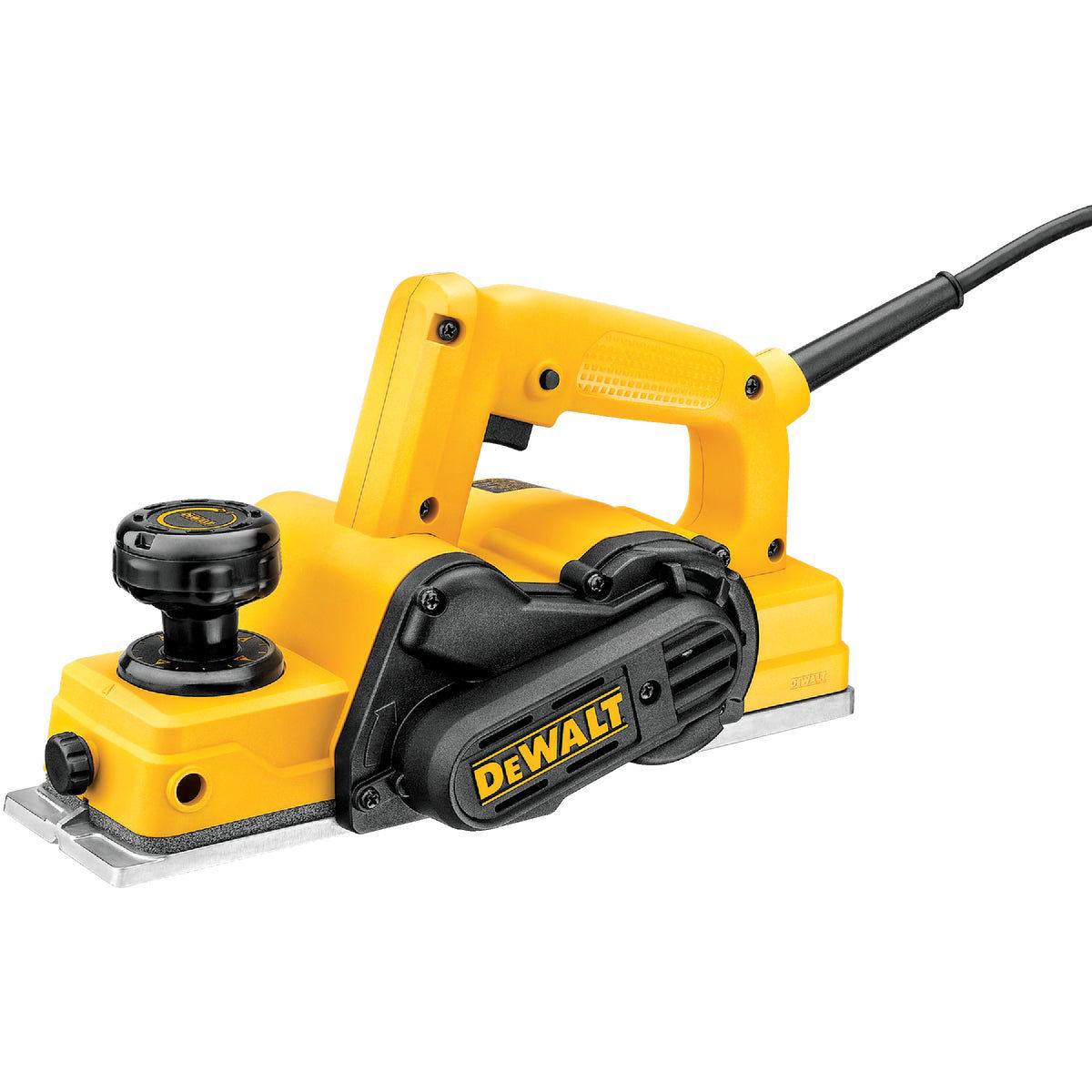 | |
Plate Joiners (Biscuit Joiners) | Creating strong and aligned joints between boards | Adjustable fence, angled cutting capability, biscuit slot cutting | Edge joining boards, panel glueing, cabinet assembly, furniture building | 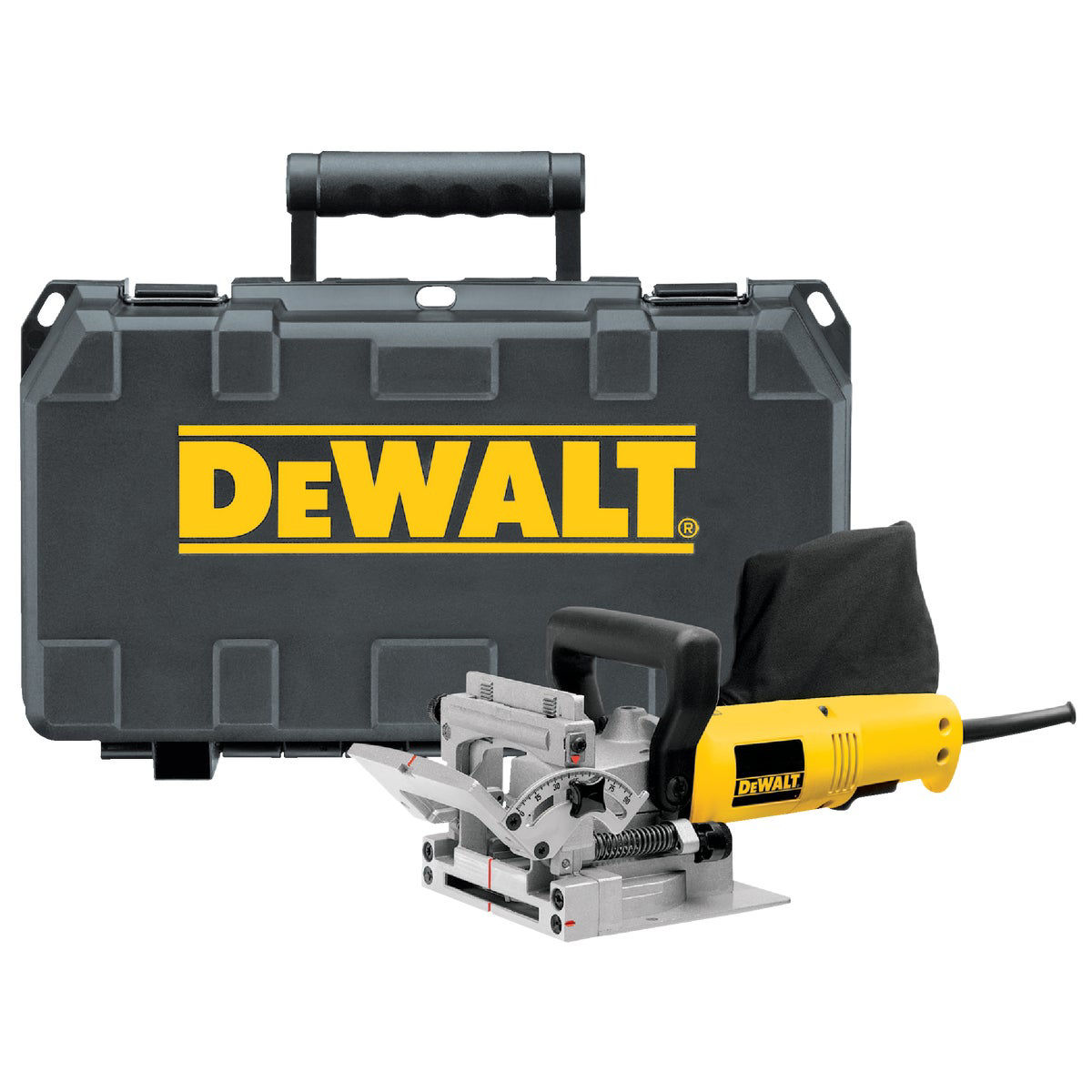 |
What Planers & Joiners Help You Accomplish
Joiners and planers play a huge role in achieving professional-quality woodworking results. Here’s what joiners and planers can help homeowners and contractors accomplish:
- Create Smooth, Uniform Surfaces: Planers remove inconsistencies in thickness. They produce flat and even boards ready for assembly or finishing.
- Improve Joint Accuracy: Plate joiners cut slots for biscuits, which helps align boards during glue-ups and reduces shifting.
- Build Stronger Wood Connections: Joiner biscuits increase glue surface area, improving joint strength compared to simple edge gluing.
- Reduce Sanding Time: Properly planed boards require less sanding and help save time during finishing stages.
- Prepare Lumber for Projects: Transform rough or uneven wood into usable material for cabinetry, furniture, and trim work.
- Achieve Cleaner Final Results: Better surface prep and alignment lead to tighter joints and a cleaner appearance when the project is finished.
How to Pick the Right Joiner or Planer
Selecting the right tool depends on your project type, materials, how often you plan to use it, and a few other considerations. Use the following as a guide to making your selection:
- Project Type: Furniture and cabinetry projects benefit from both planers and joiners. Basic repairs or framing may only require one.
- Material Condition: Rough or uneven lumber requires a planer to create flat, consistent boards before assembly. Pre-cut materials may only need a joiner for alignment.
- Material Thickness and Size: Larger boards require planers with sufficient capacity, while joiners should match the scale of your project.
- Workspace Size: Benchtop planers require more space and clearance. Plate joiners are more compact and portable.
- Accuracy Requirements: Projects that need tight joints and smooth finishes will benefit from using both tools together.
- Brands & Battery System: Choose trusted brands like DeWalt and Makita to ensure consistent performance, accurate adjustments, and long-term reliability. Make sure to consider your battery platform before purchasing.
Upgrade Your Woodworking with Joiners & Planers from Do it Best
Joiners and planers help you get cleaner and more consistent results, no matter what the project. Whether you’re smoothing rough boards or assembling panels and furniture, a planer or joiner can make sure your project goes the best it can.
Browse all of our joiners and planers, and the rest of our corded power tools at Do it Best today. Shop online to take advantage of home delivery or same-day pickup at a nearby Do it Best store.
Joiners & Planers FAQs
Not always, but they serve different purposes. A planer prepares wood surfaces, while a joiner helps connect wood pieces. Many projects benefit from using both.
Yes, when used with proper wood glue and clamping, biscuit joints provide strong alignment and enough strength for many woodworking applications.
Most planers are designed for light passes and typically remove material in small increments to keep finishes smooth and reduce strain on the tool.
Plate joiners are relatively easy to learn and are often considered beginner-friendly once a user understands the basic setup and alignment.