
Types of Drill Bits at Do it Best
Drill Bits | Image | Description |
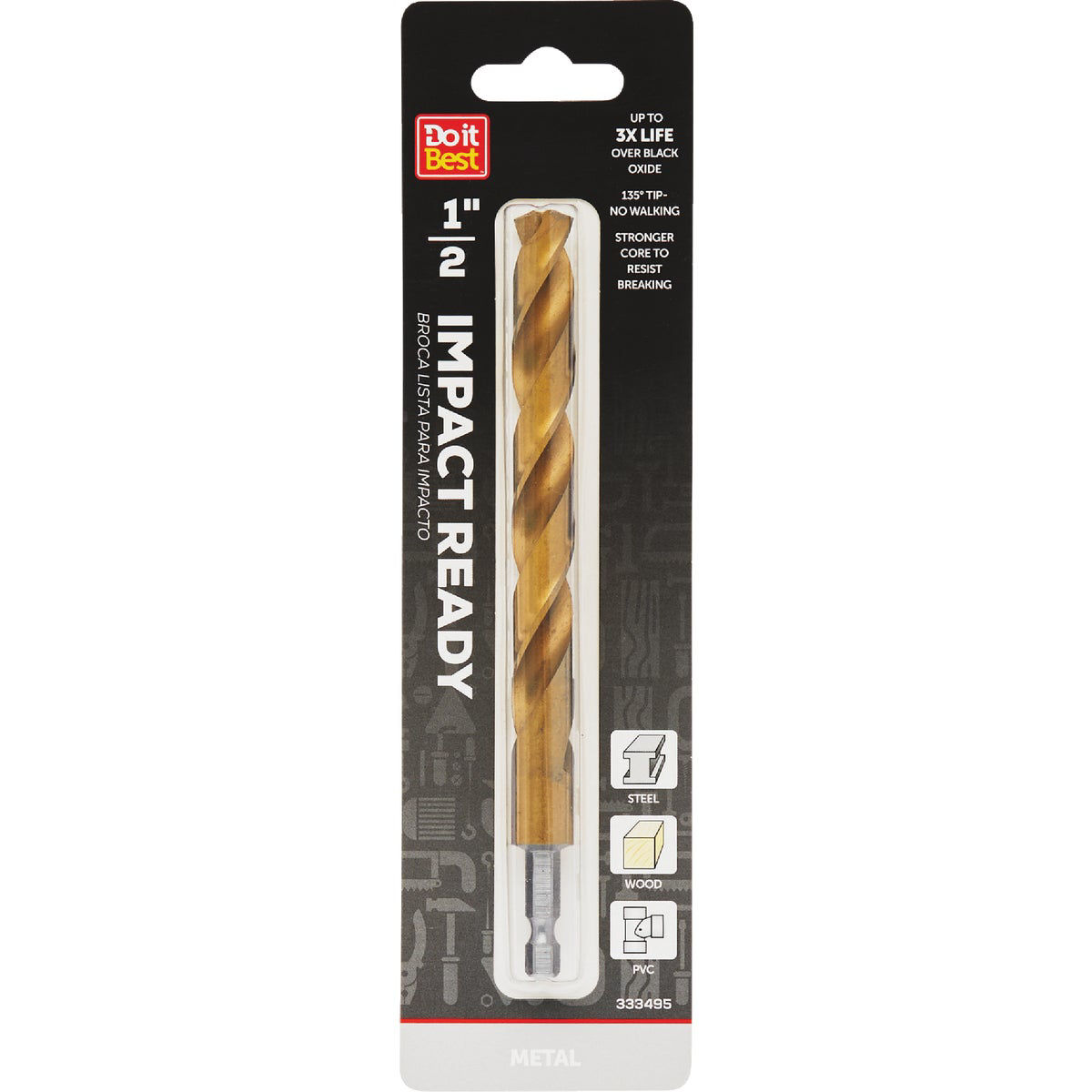 | A bit with a fluted surface used for general-purpose drilling in materials like metal, wood, plastic, and masonry. | |
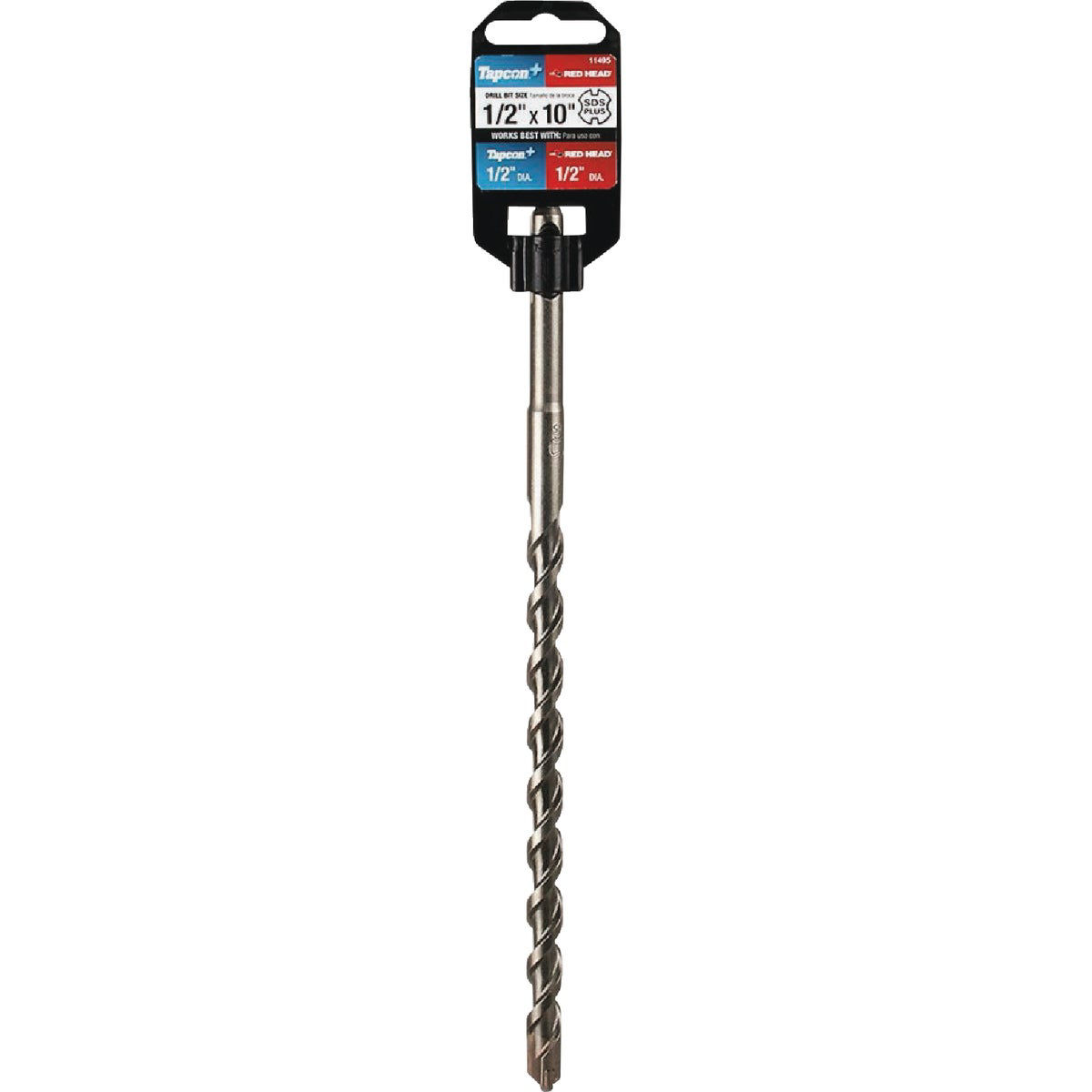 | A bit that is used for the demolition of hard materials like concrete and stone to break them into smaller pieces for removal. | |
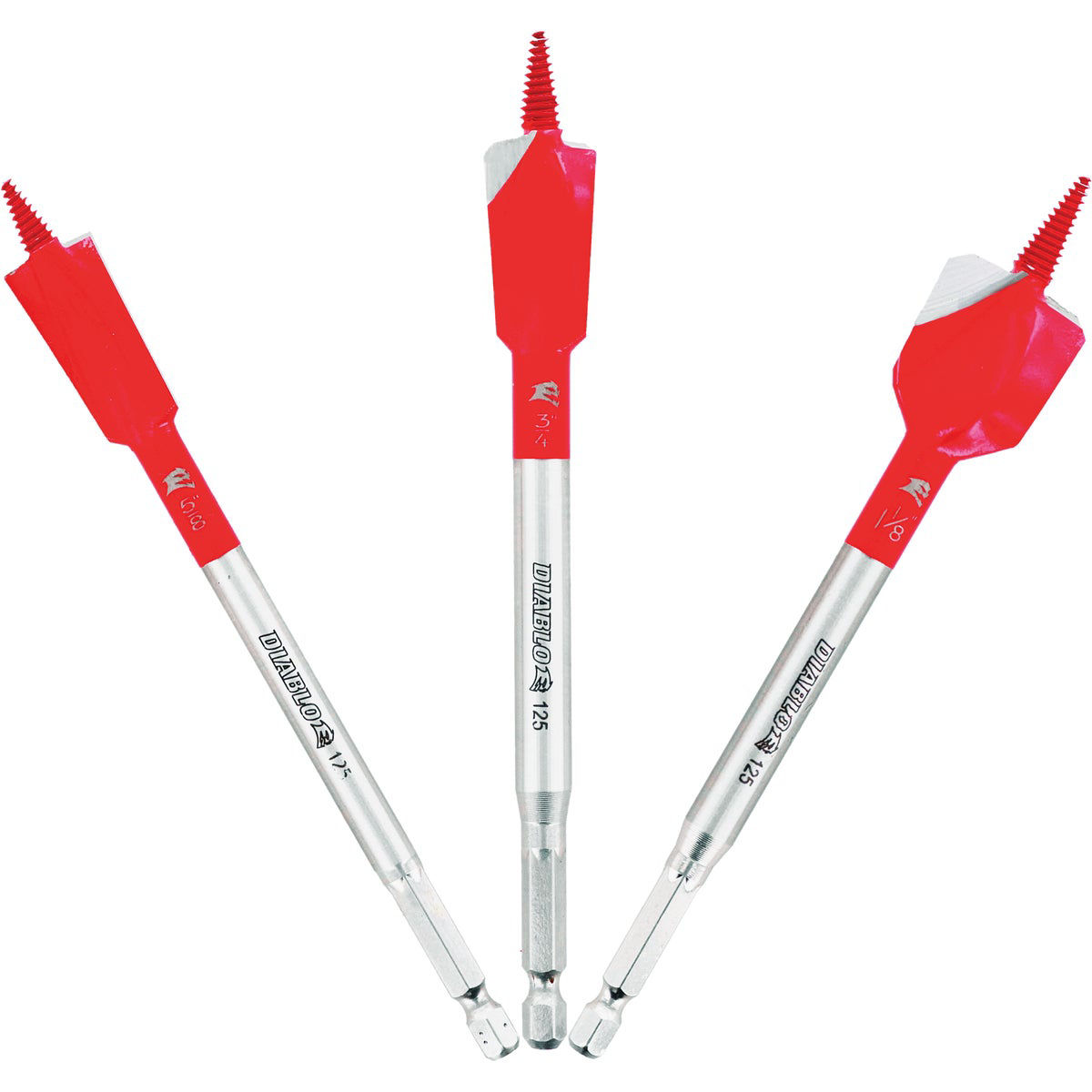 | A bit with a flat, spade-shaped blade that can create large holes in wood for cables and other materials. | |
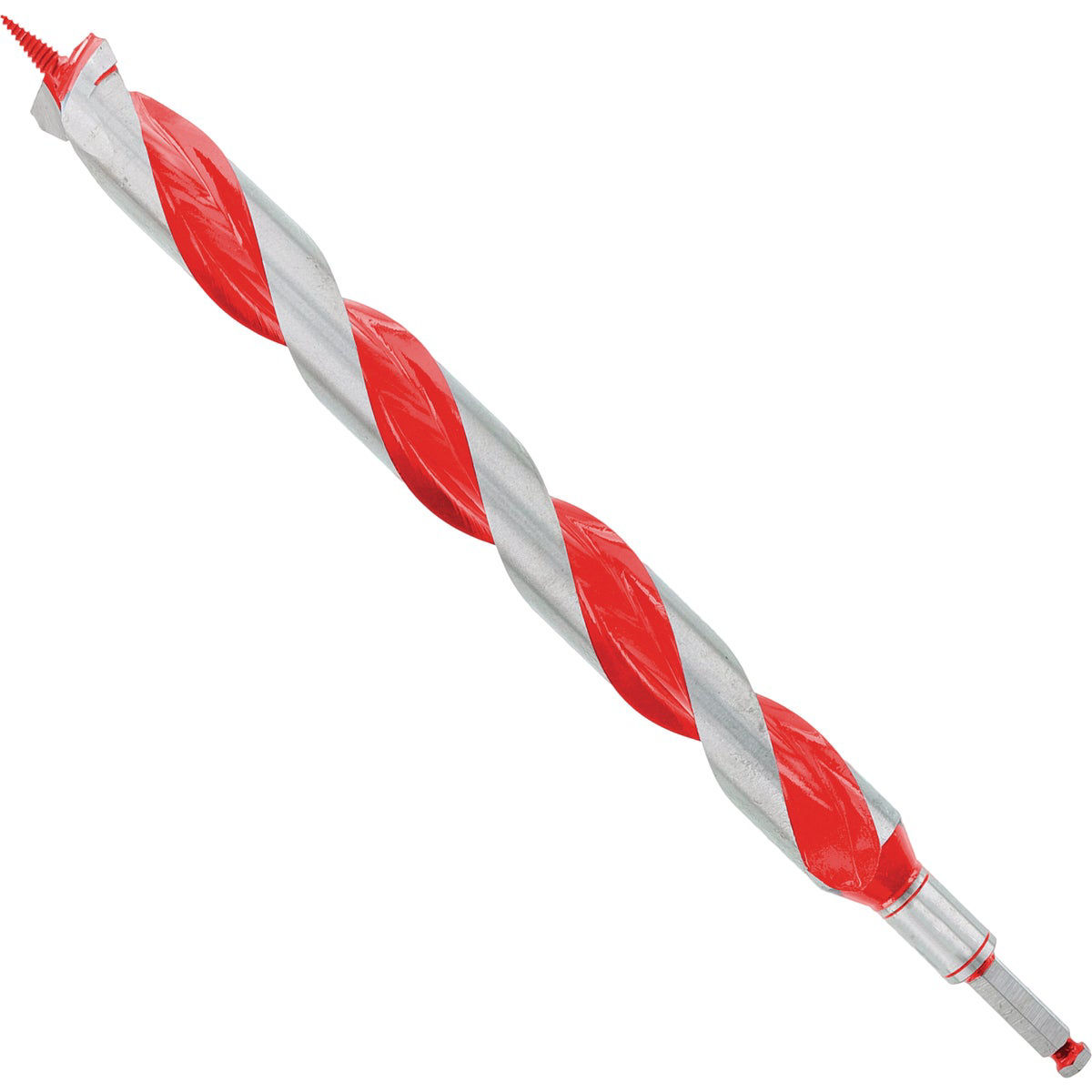 | A bit with a screw tip that helps feed the outer blades through wood to create a larger, precise hole. | |
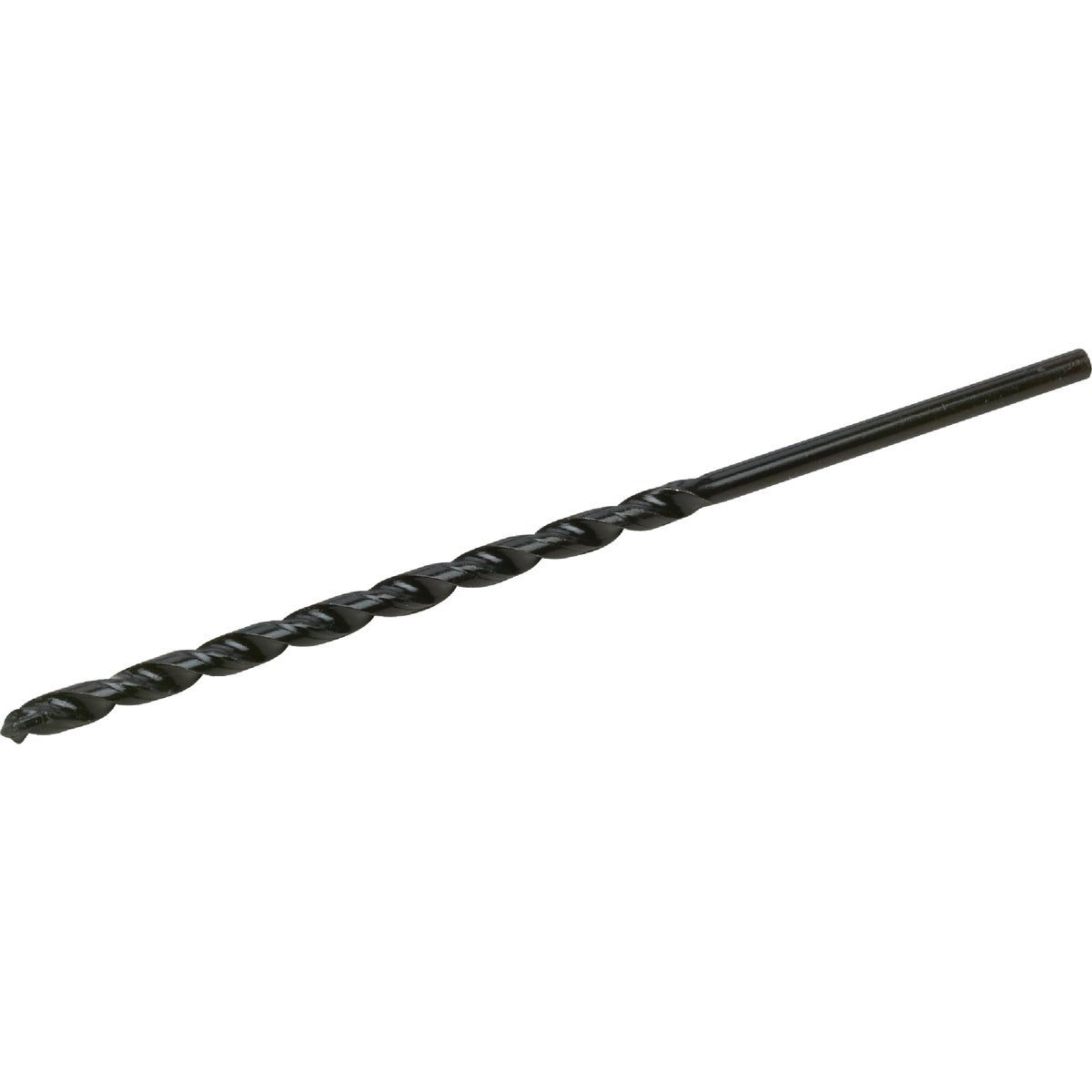 | A bit commonly used with a hammer drill and can withstand high force to bore through hard material like bricks, mortar, and concrete. | |
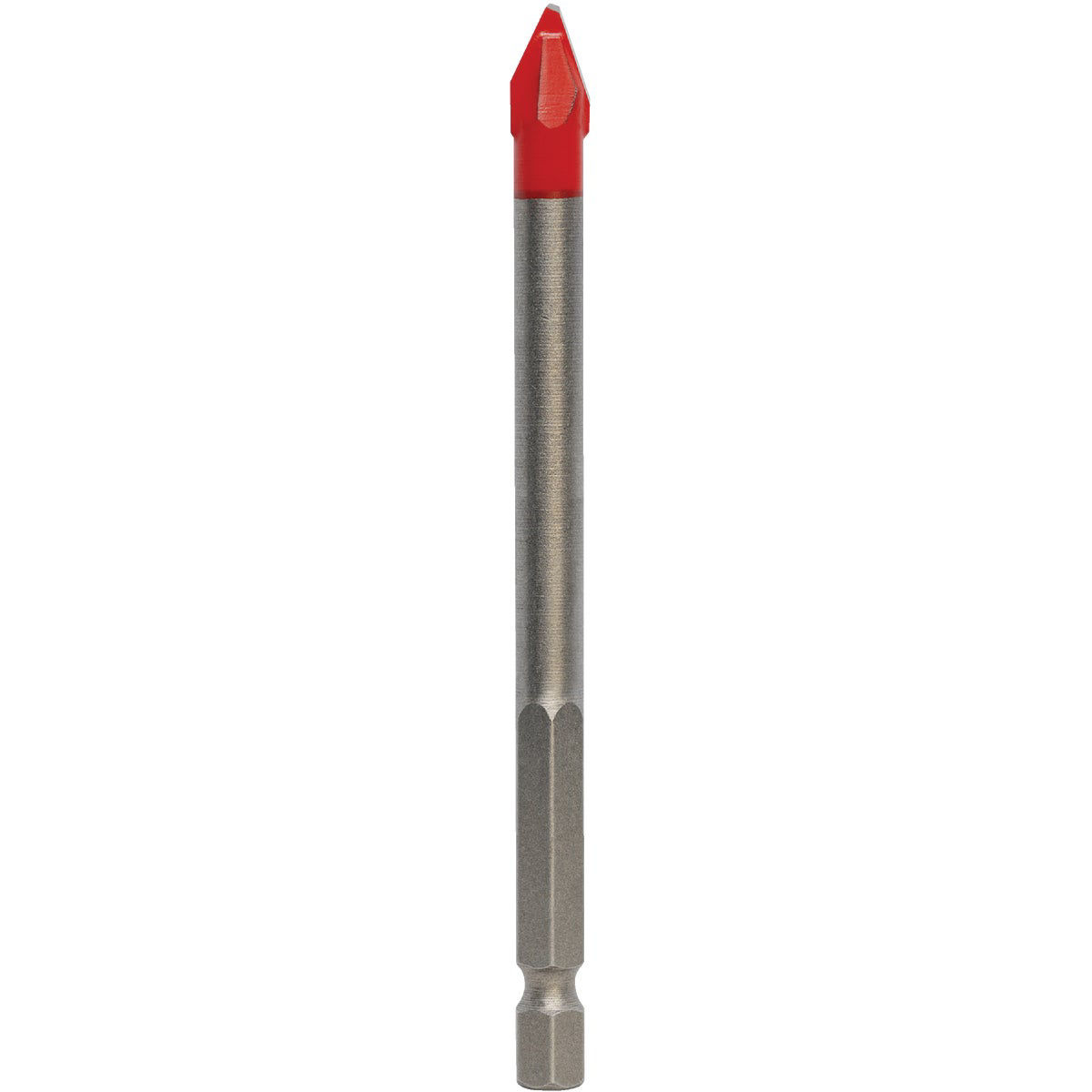 | A bit for a specific material like glass or tile. | |
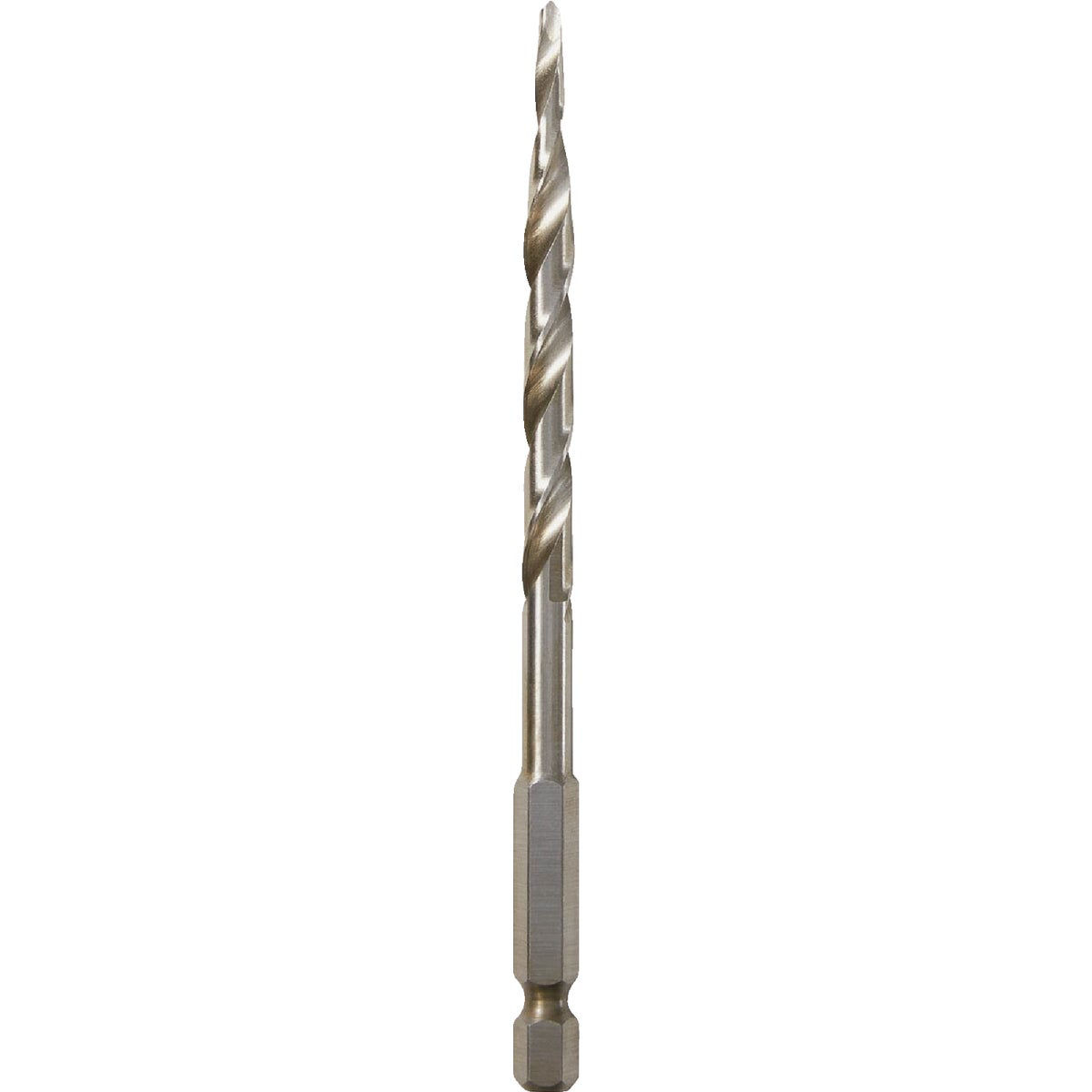 | A bit that creates countersink or pilot holes in material to prepare for fasteners to be installed. | |
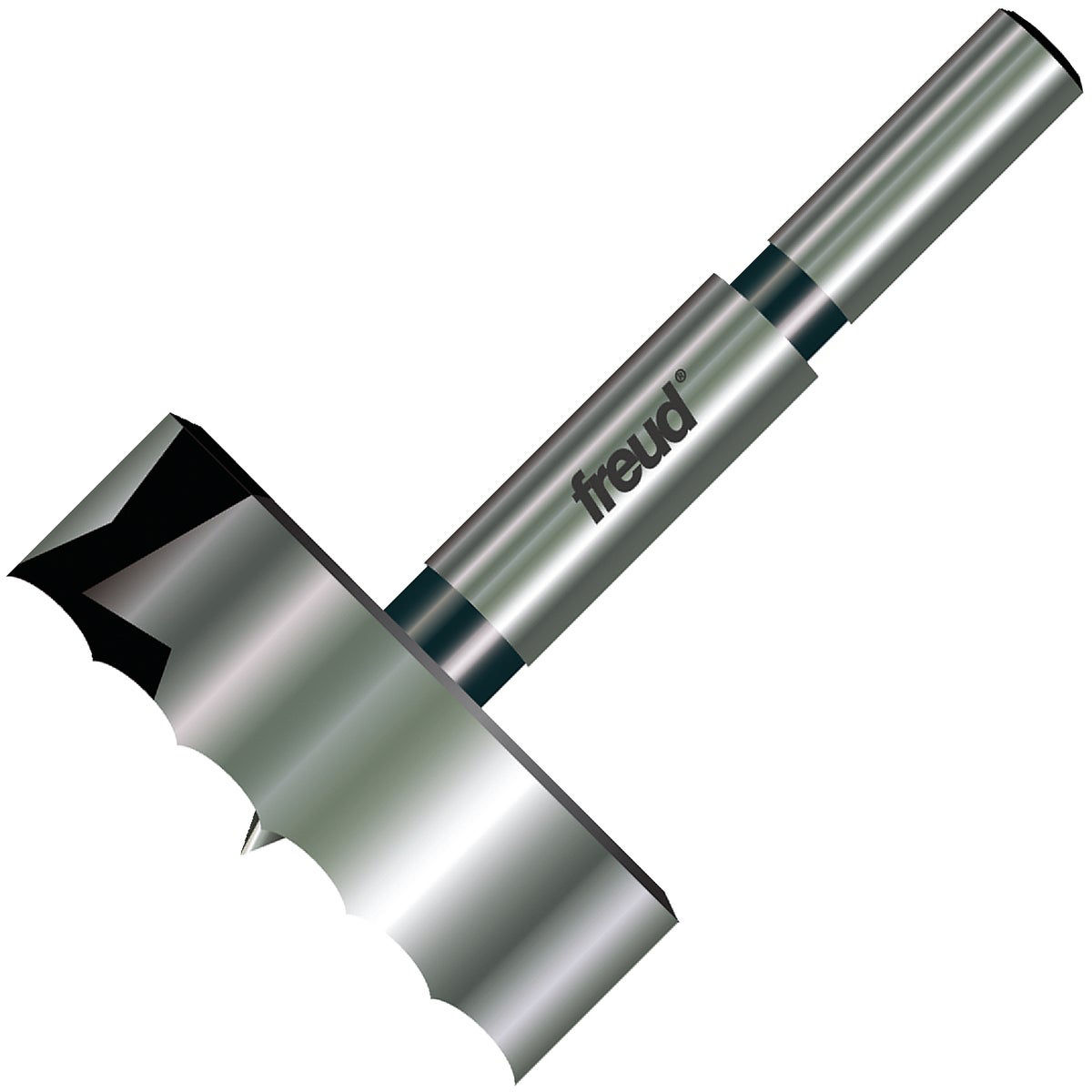 | A cylindrical bit that creates flat-bottomed holes in wood for inserting dowels or similar fasteners. | |
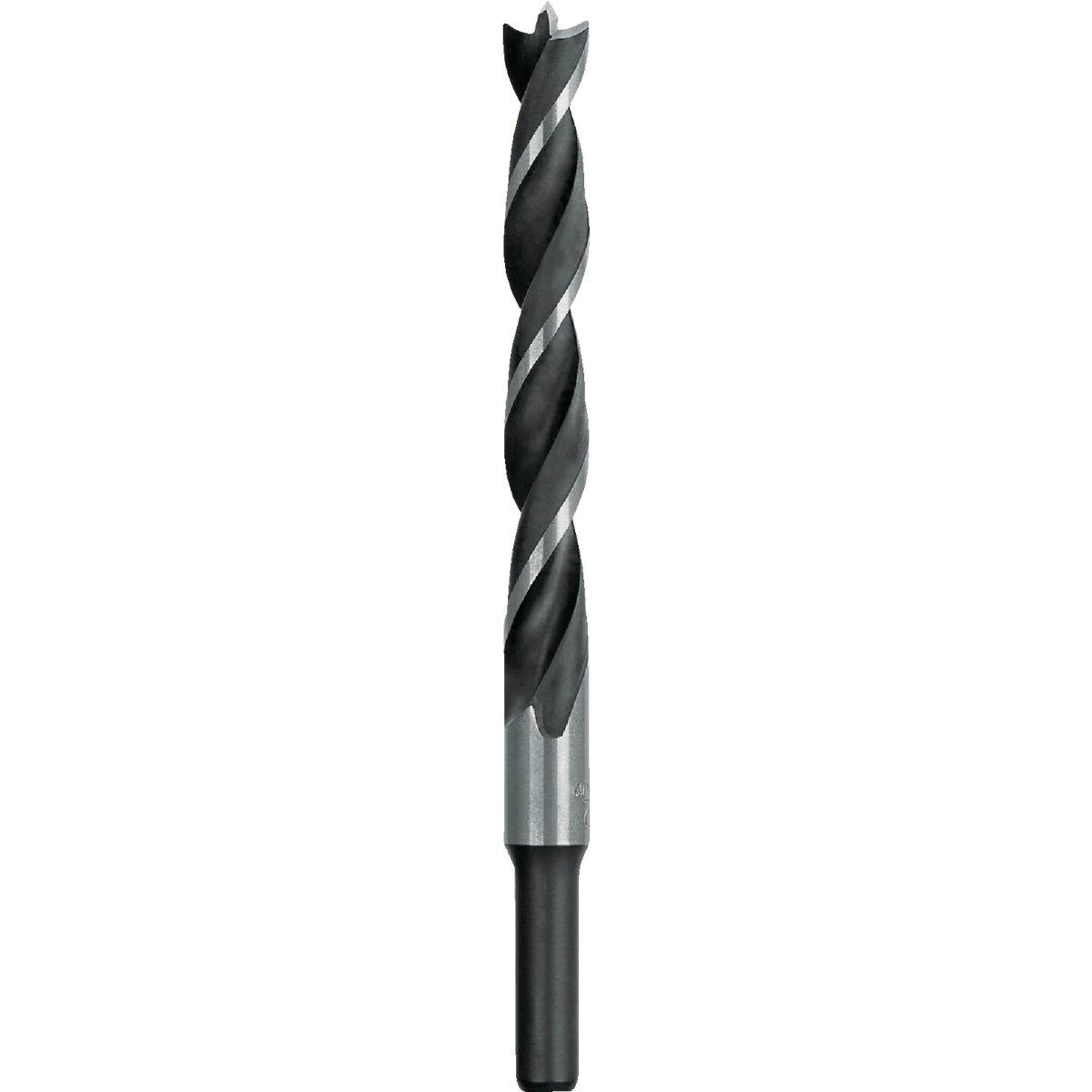 | A bit that has a brad in the center to grab the material being drilled and ensure accuracy of the hole. | |
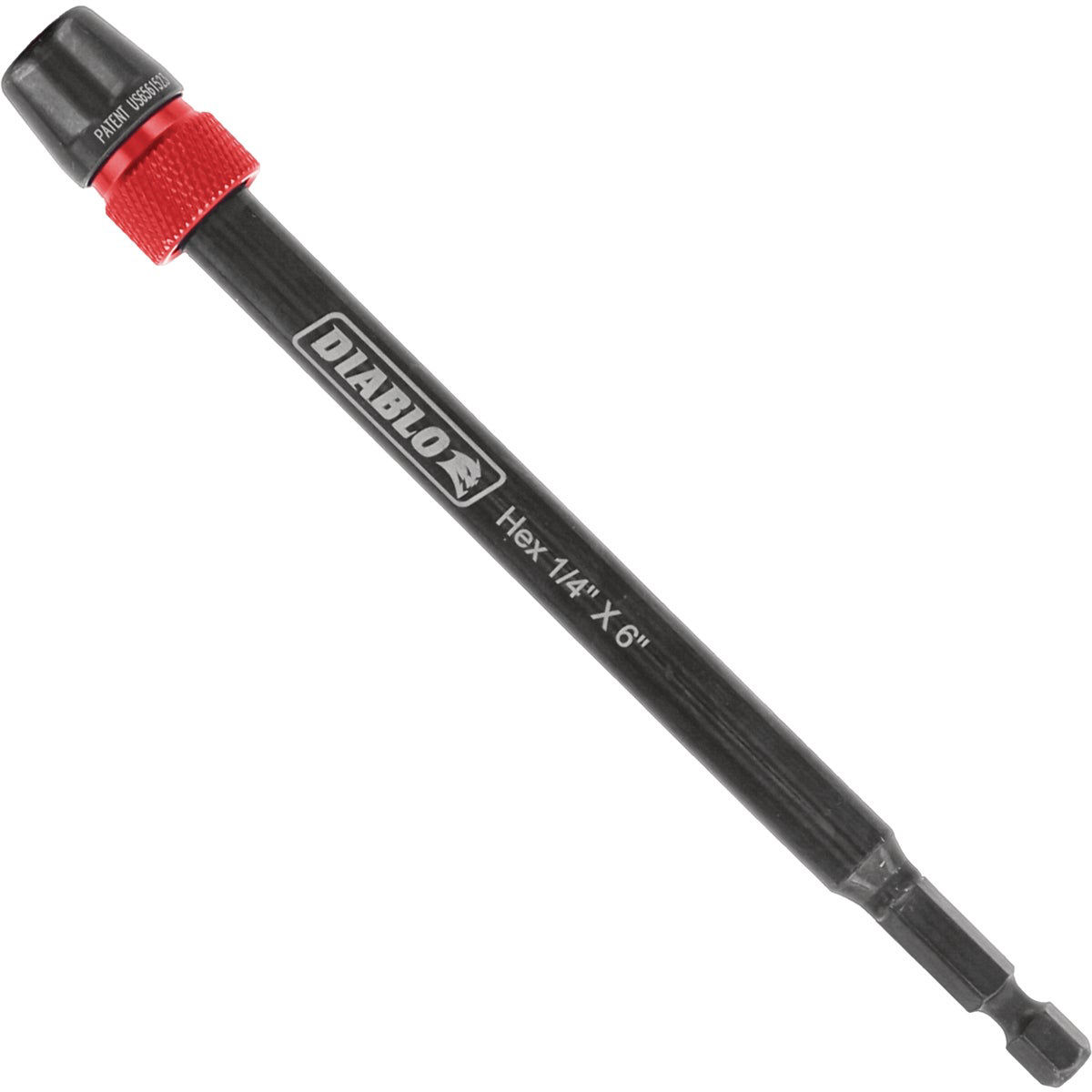 | A bit that attaches to the drill to extend the length of another bit for hard-to-reach places. | |
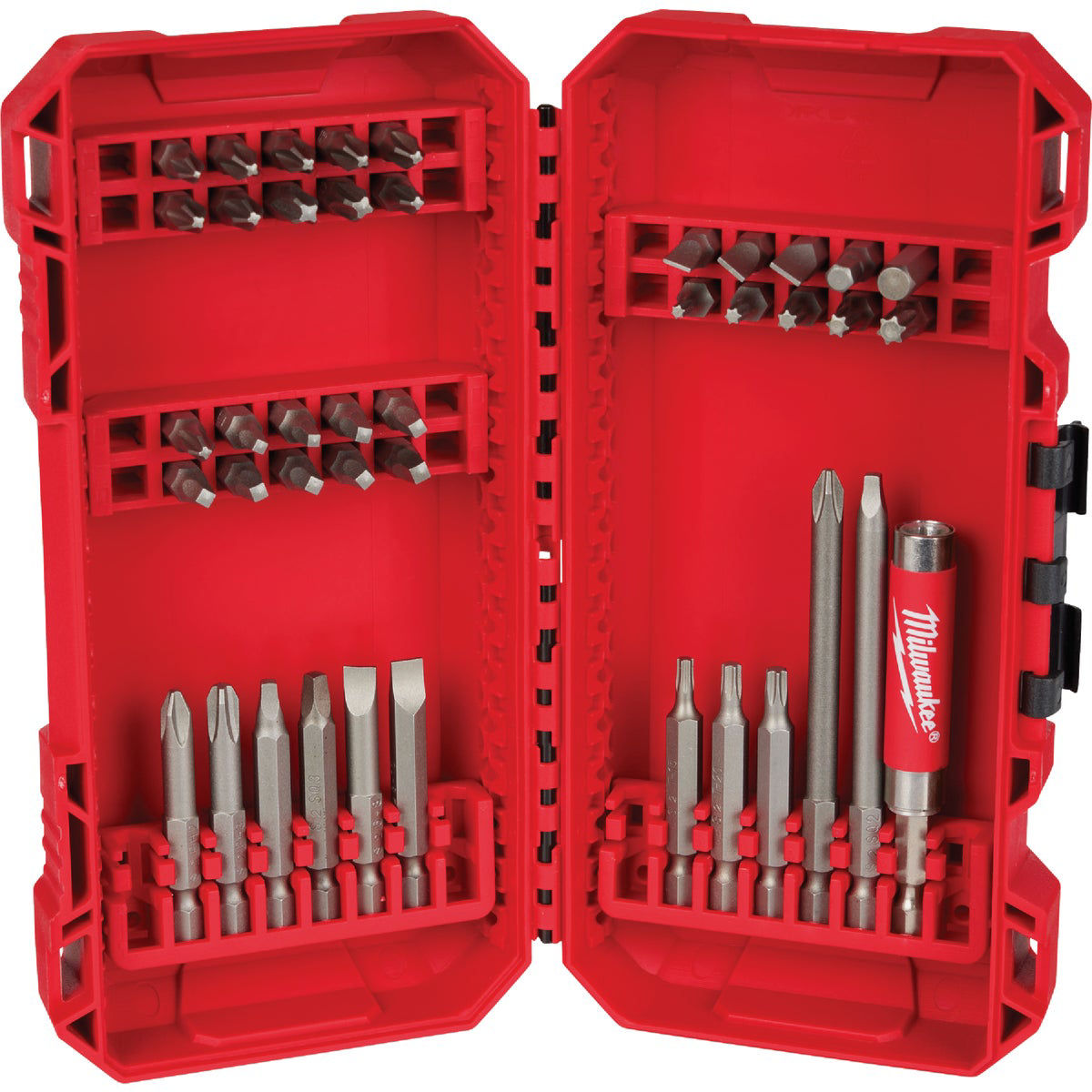 | Drill bit sets from 8 to 120 pieces. |
Drill Bits Designed for Specific Jobs
- Mounting heavy items: Masonry or metal power drill bits install wall anchors, shelves, or fixtures in concrete or drywall.
- Woodworking projects: Brad point and Forstner bits offer clean results for furniture, cabinetry, and trim work.
- Electrical and plumbing rough-ins: Self-feed and spade bits are go-to tools for drilling into stud bays or joists during renovations.
- Hobby and specialty work: Specialty bits handle tasks like installing door hardware and modifying a trailer or tool bench.
Drill Bit Set vs. Individual Bits
- For occasional users: A pre-packed set offers good variety for general household tasks—picture hanging, light repairs, basic woodworking.
- For frequent DIYers: Individual bits offer upgraded quality in the sizes/materials used most (e.g., premium masonry or Forstner bits).
- Pro tip: Sets usually cost less per bit, but individual bits can replace only the bits that wear out.
How to Choose the Right Drill Bit
Narrow the wide selection with the following key considerations:
- Material Compatibility: Choose a bit specifically rated for wood, metal, masonry, or plastic. Using the wrong type can damage materials and tools.
- Drill Type: Ensure the bit matches the drill type (e.g., hammer drill vs. standard drill/driver). SDS bits, for example, are designed only for SDS rotary hammers.
- Hole Size & Finish Quality: Consider the diameter and type of hole needed: clean holes for finish work (Brad Point, Forstner), fast and rough holes for framing (Spade, Self-Feed), etc. Do it Best carries bits from 5/32” to 1”.
- Length & Reach: Use short bits for drilling stability and precision. Choose extended or extension bits when working in tight, recessed, or awkward areas.
Do it Best carries drilling bits from top power tool brands like Milwaukee, DeWalt, Diablo, and Irwin.
FAQs About Drill Bits
Masonry bits can be used in a regular drill for soft materials and minor work, but they are best used in a hammer drill for maximum power in driving through concrete and brick.
Twist drill bits are the most versatile and work for common drilling applications.
This can happen as a result of improper drilling technique, drill speed, a dull bit, or the drill overheating.