
Types of Cordless Drills & Drivers at Do it Best
Cordless Drills and Drivers | Image | Description |
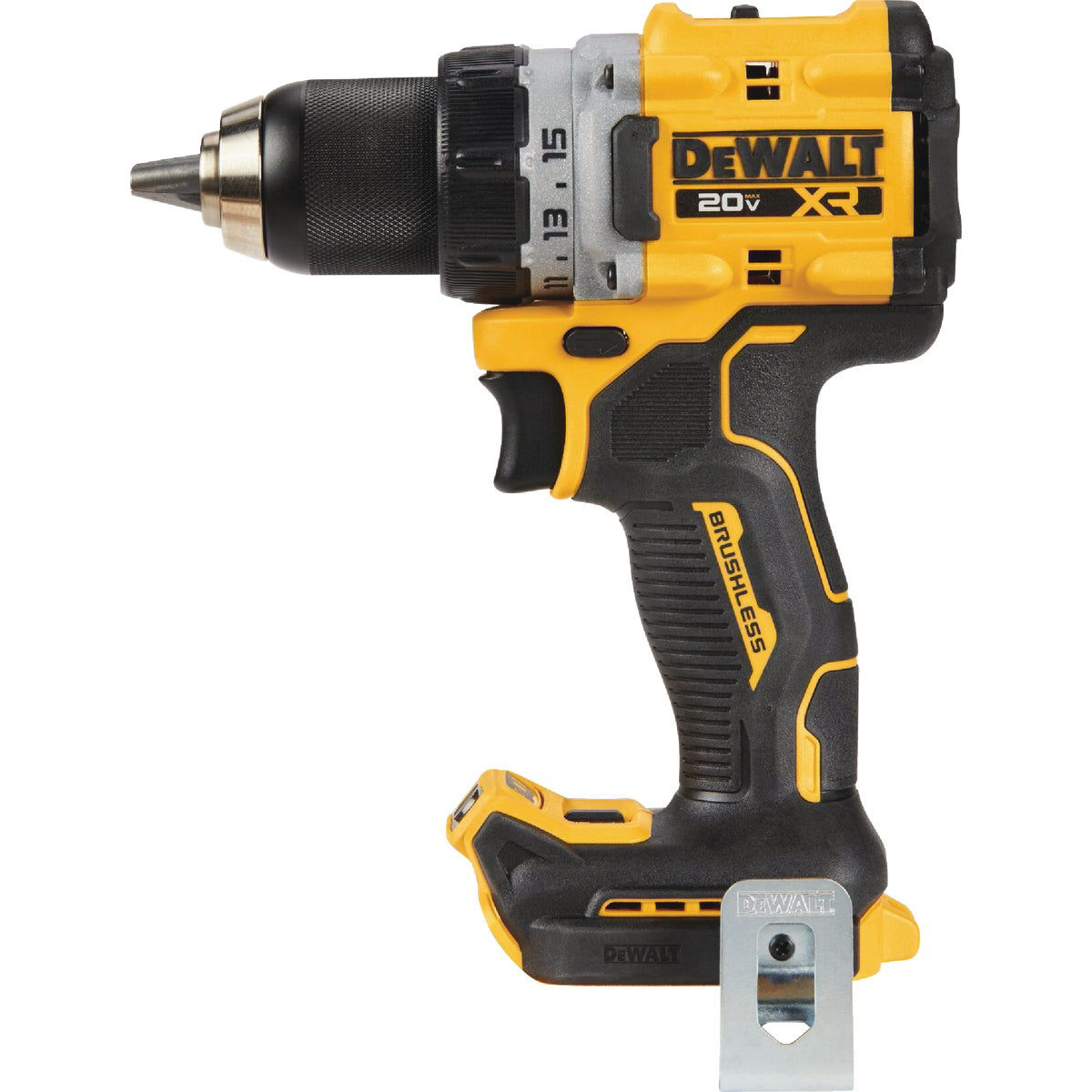 | Quickly creates holes in dense materials and can also be used to drive fasteners. | |
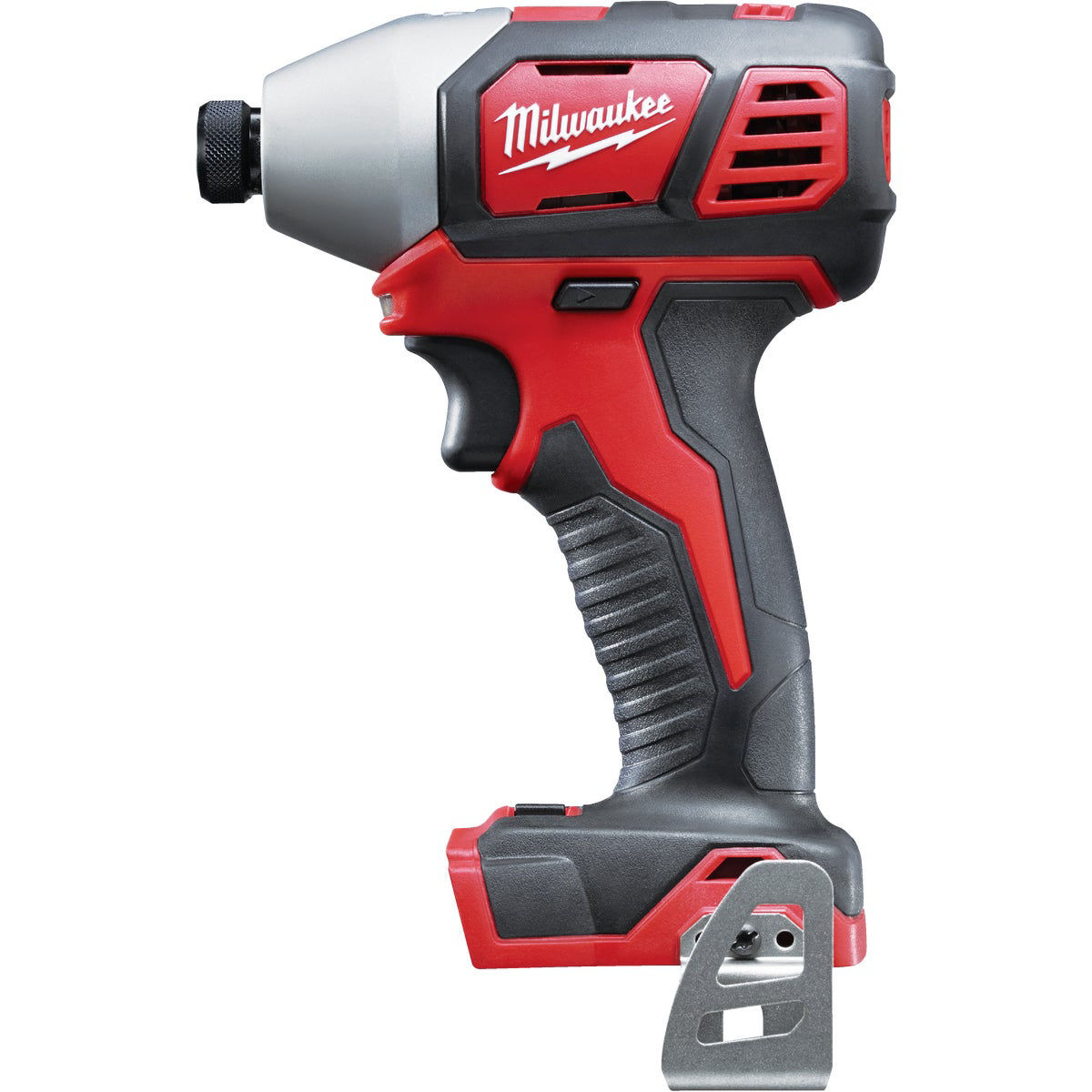 | Drives fasteners more efficiently than a standard drill with quick bursts of power. | |
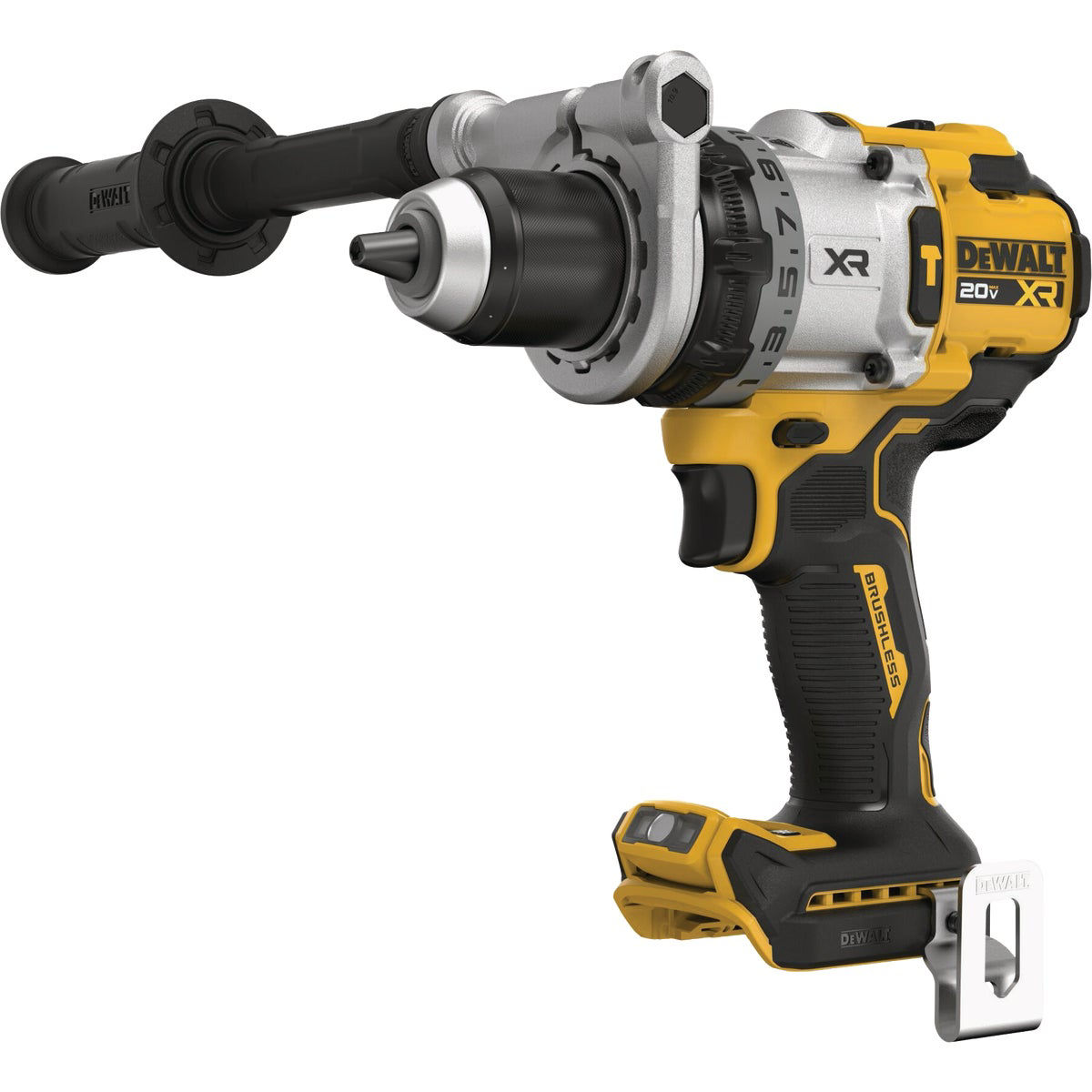 | The drill head repeatedly drives while rotating to create more force for applications like concrete and masonry. | |
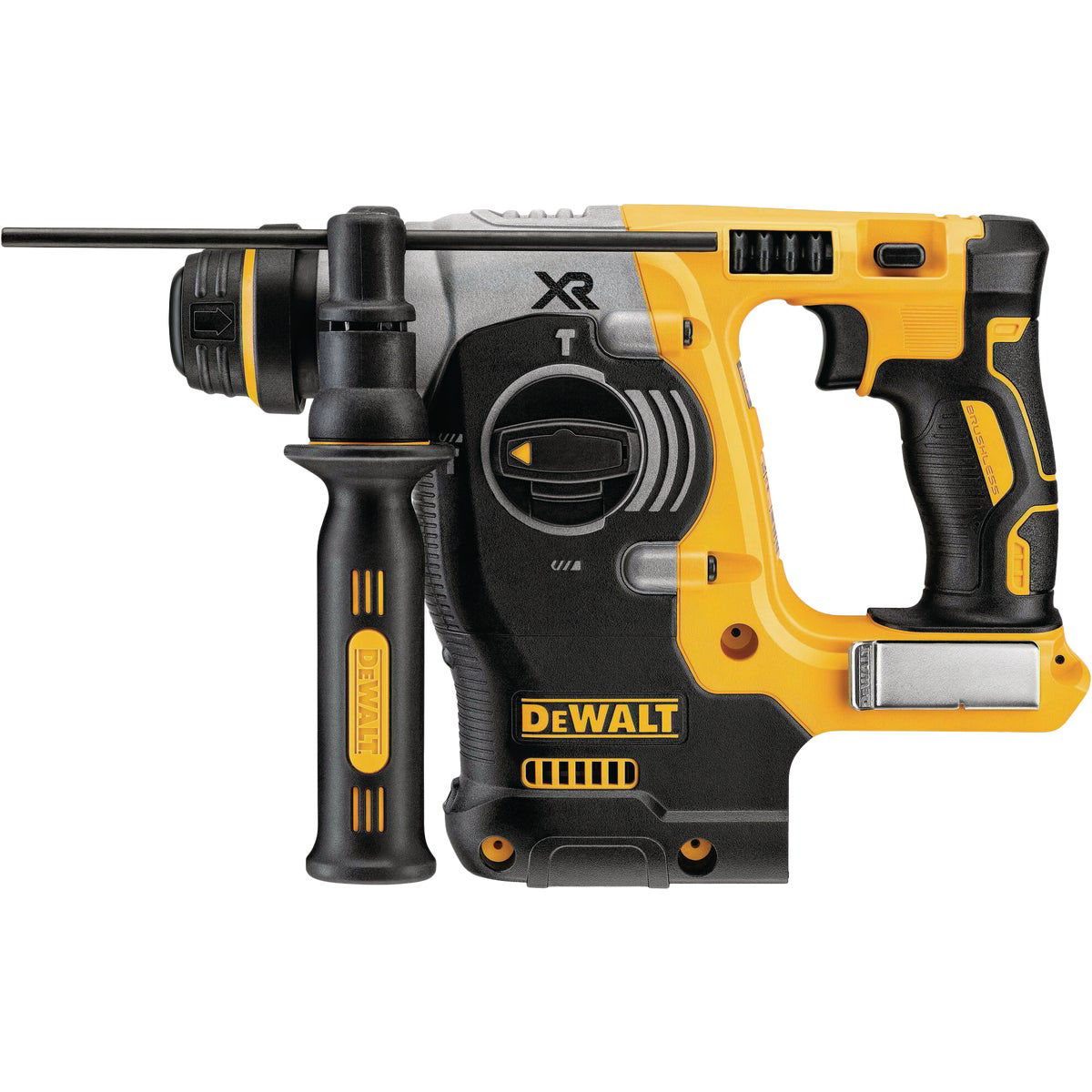 | Uses more extreme force than a regular hammer drill to drive through extremely tough materials. Used mostly in professional applications. | |
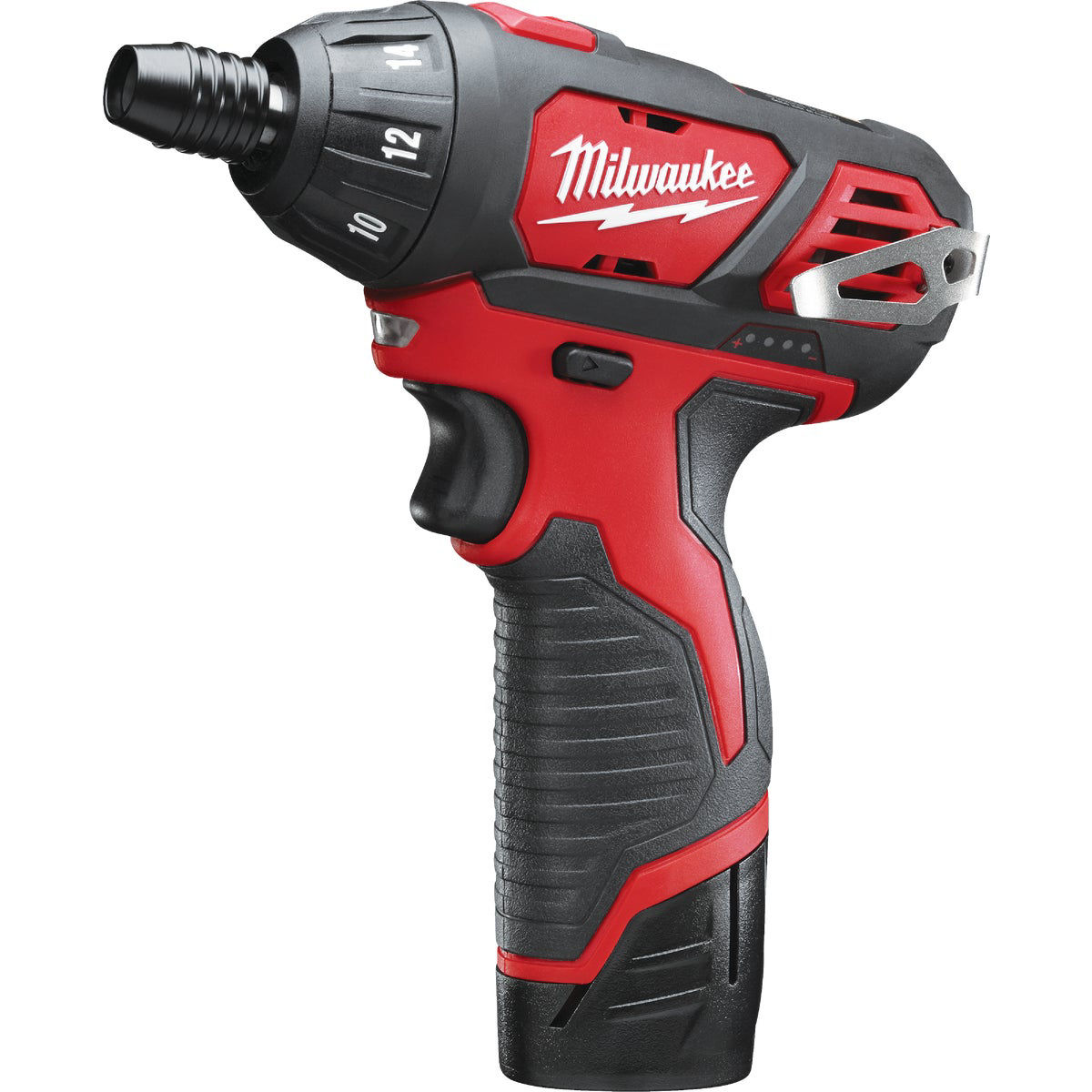 | Quickly drives screws and other fasteners and can reach in tighter spaces. | |
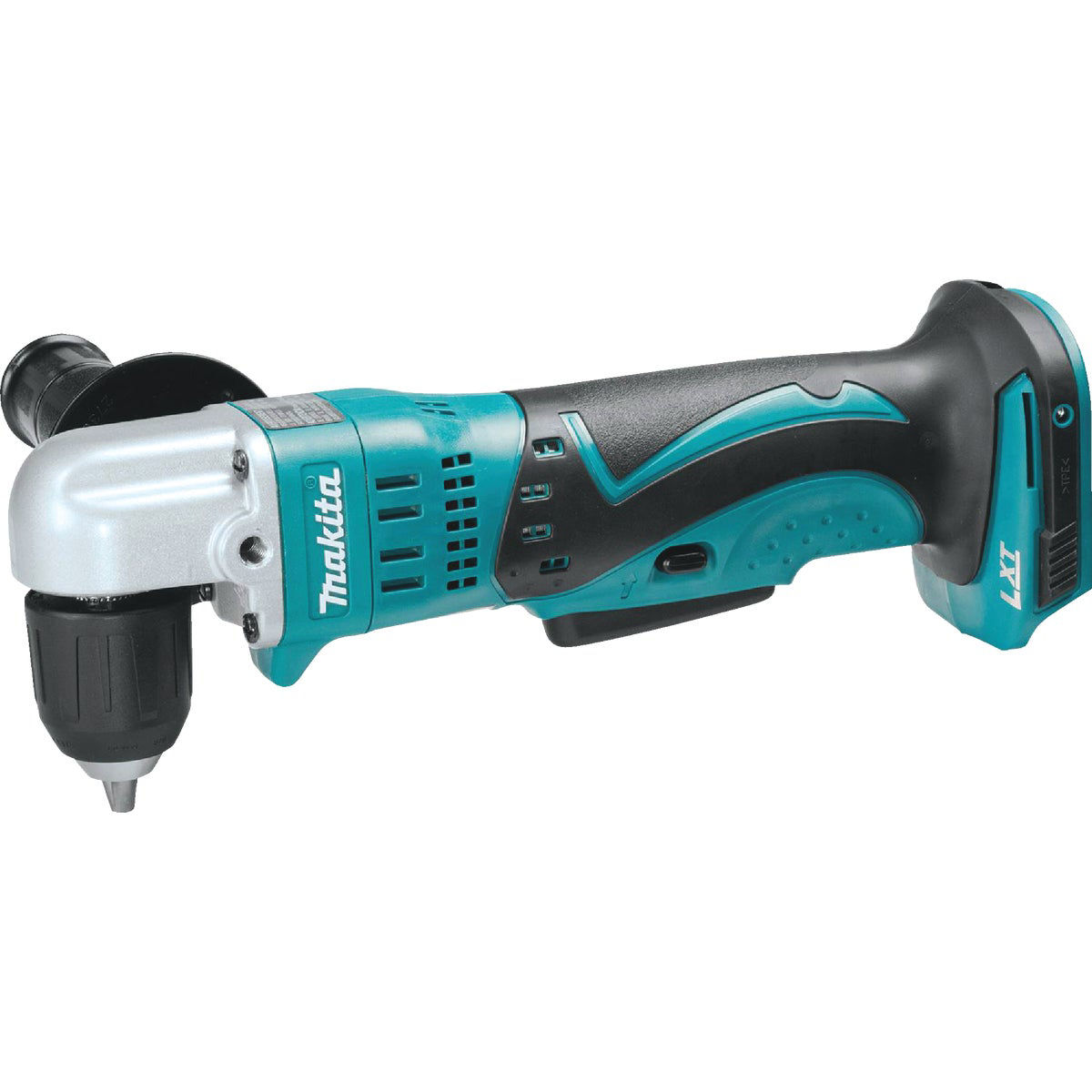 | Smaller tool with a long, thin handle and perpendicular head for drilling in tight spots. | |
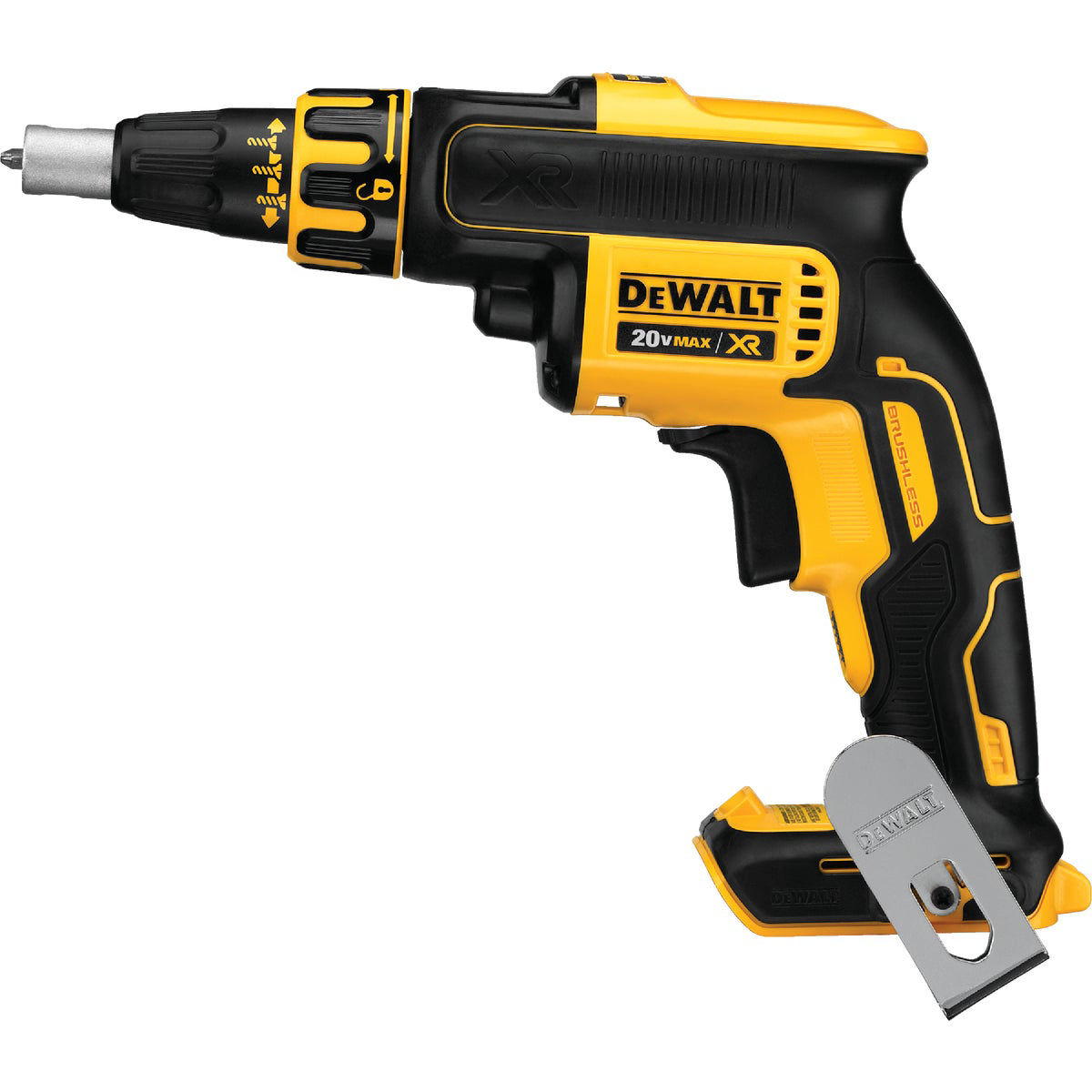 | Drives nails through drywall and into studs at the correct depth. |
How to Choose the Right Cordless Drill or Driver
Consider Torque, Speed, and Control
Cordless drill and driver tools are offered in variable speed and torque settings to match the demands of different materials. Impact drivers have higher torque at lower speeds for more power in driving fasteners into dense materials. Cordless screwdrivers provide greater control for smaller tasks.
Battery Compatibility
Different brands of tools have different battery platforms. If you already own tools on one platform, buying tools with the same battery platform (e.g., 18V or 20V systems) will allow for battery swapping and cost savings.
Size and Comfort
Compact drills and drivers are lightweight, easier to maneuver, and reduce fatigue, especially in tight spaces or overhead work. Features for comfort include grip style and one-handed operation.
Brands
For drills and drivers, cordless options from trusted names like DeWalt and Milwaukee are known for durability and performance.
FAQs About Cordless Drills & Drivers
Drills are best for general-purpose work and creating holes. Impact drivers provide more torque, making them better for driving long or large fasteners.
You can use a hammer drill or a rotary hammer drill for concrete. Standard drills are not powerful enough and may damage the bit or surface.
Lithium-ion batteries are the standard—they’re lightweight, recharge quickly, and hold a charge longer than older NiCad batteries.
Rotary hammers are more powerful and designed for repeated drilling into tough materials like poured concrete or stone.
They both drive screws, but screwguns are faster and better for repetitive tasks like drywall, while cordless screwdrivers offer more precision for smaller jobs.