
Types of Self-Feeding Drill Bits at Do it Best
Self-feeding drill bits are designed for fast and aggressive boring when woodworking. These are commonly used by electricians, plumbers, framers, and other pros who need to make quick, clean holes in studs or joists. With their built-in feed screw tips, these bits pull themselves through the material with minimal pressure from the user.
Below is a breakdown of all the self-feeding drill bit products available at Do it Best:
Product Type | Use Case | Key Features | Image |
For deep, clean holes in wood. Used commonly in construction framing or utility drilling. | Long spiral design clears debris efficiently. Screw tip drives bit through wood with ease. | 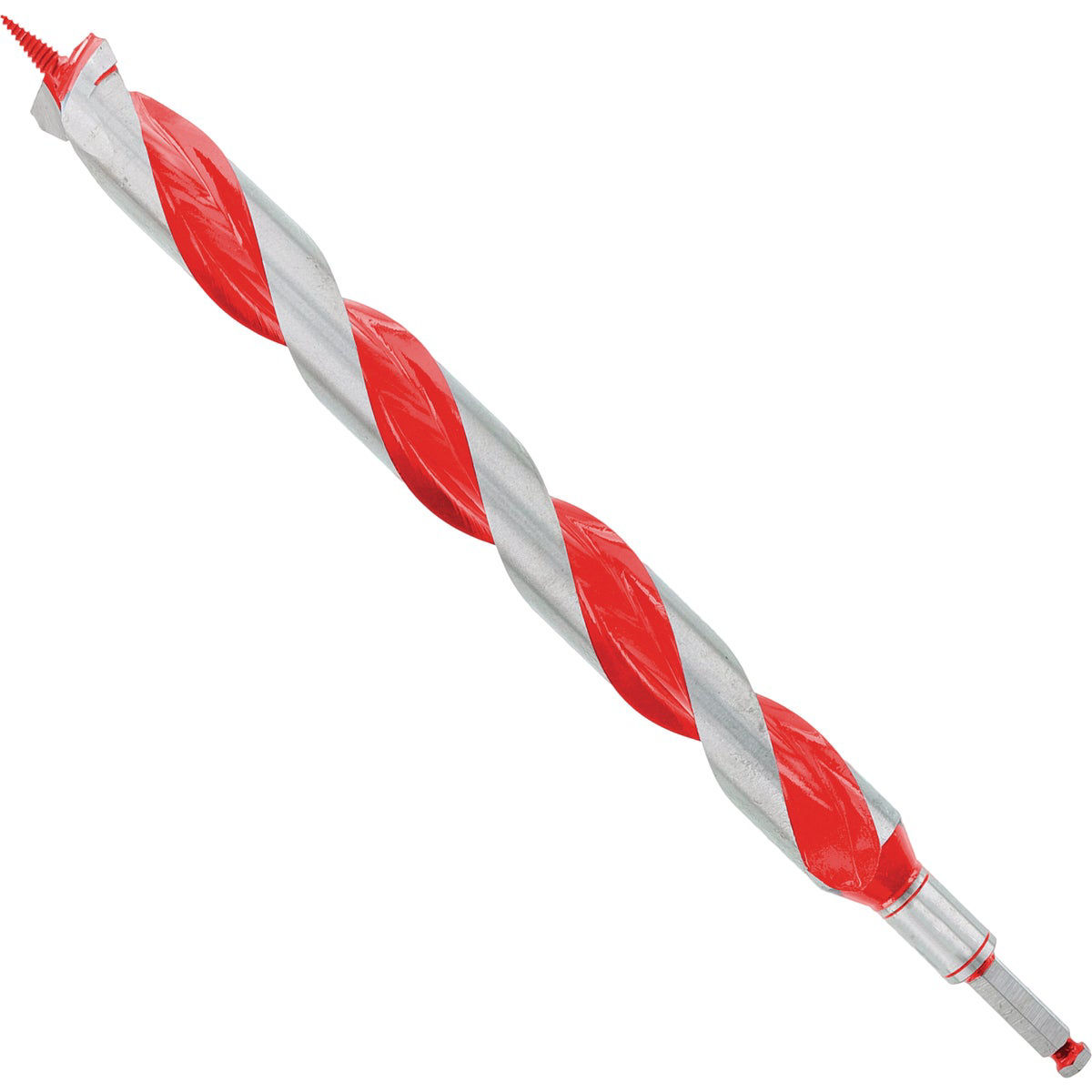 | |
A range of auger bit sizes for varying wood drilling needs. | Multiple sizes in one set. Sharp cutting edges and durable steel. | 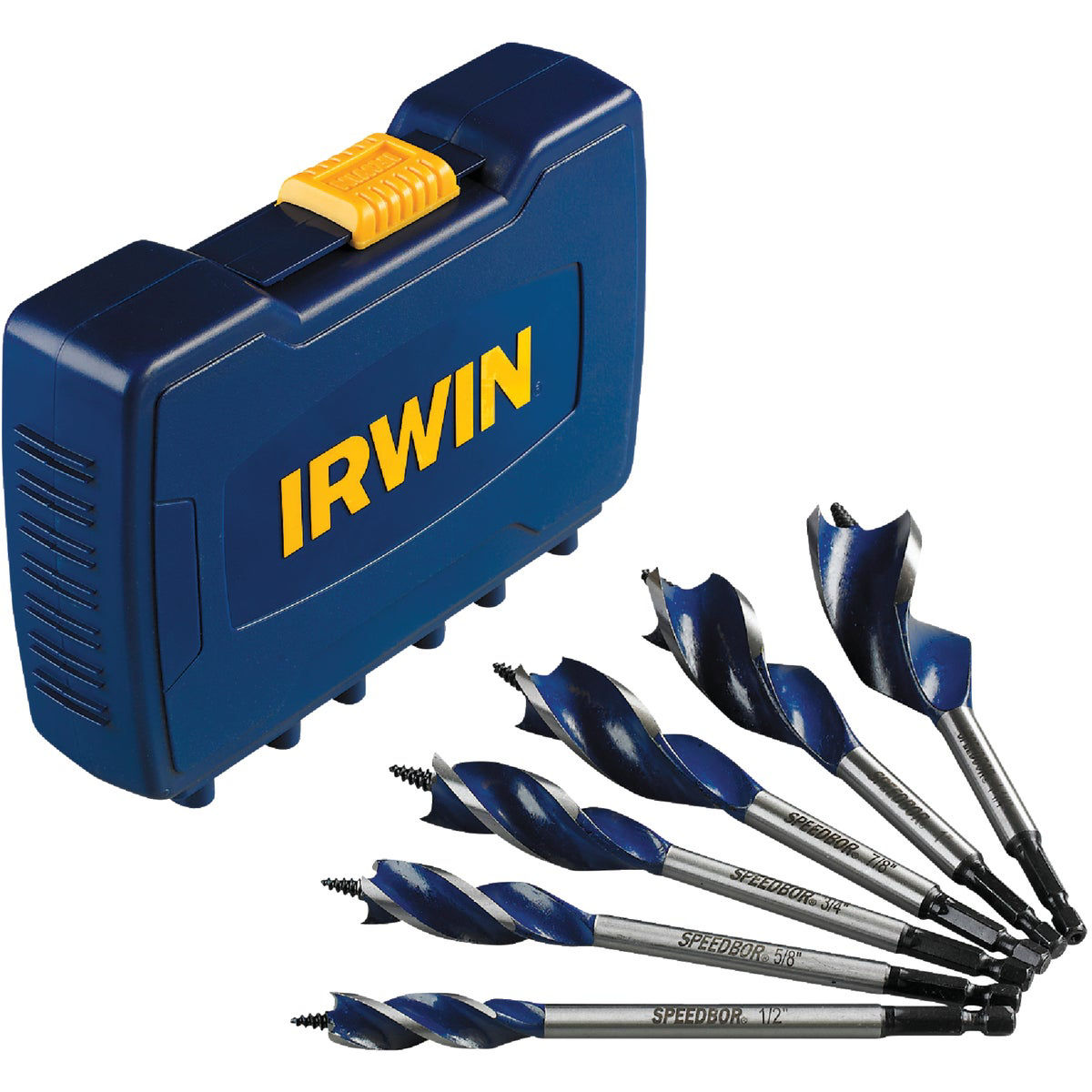 | |
For large diameter holes in wood framing. Ideal for conduit or pipe runs. | Replaceable feed screw and strong cutting edges. Designed for high torque drills. | 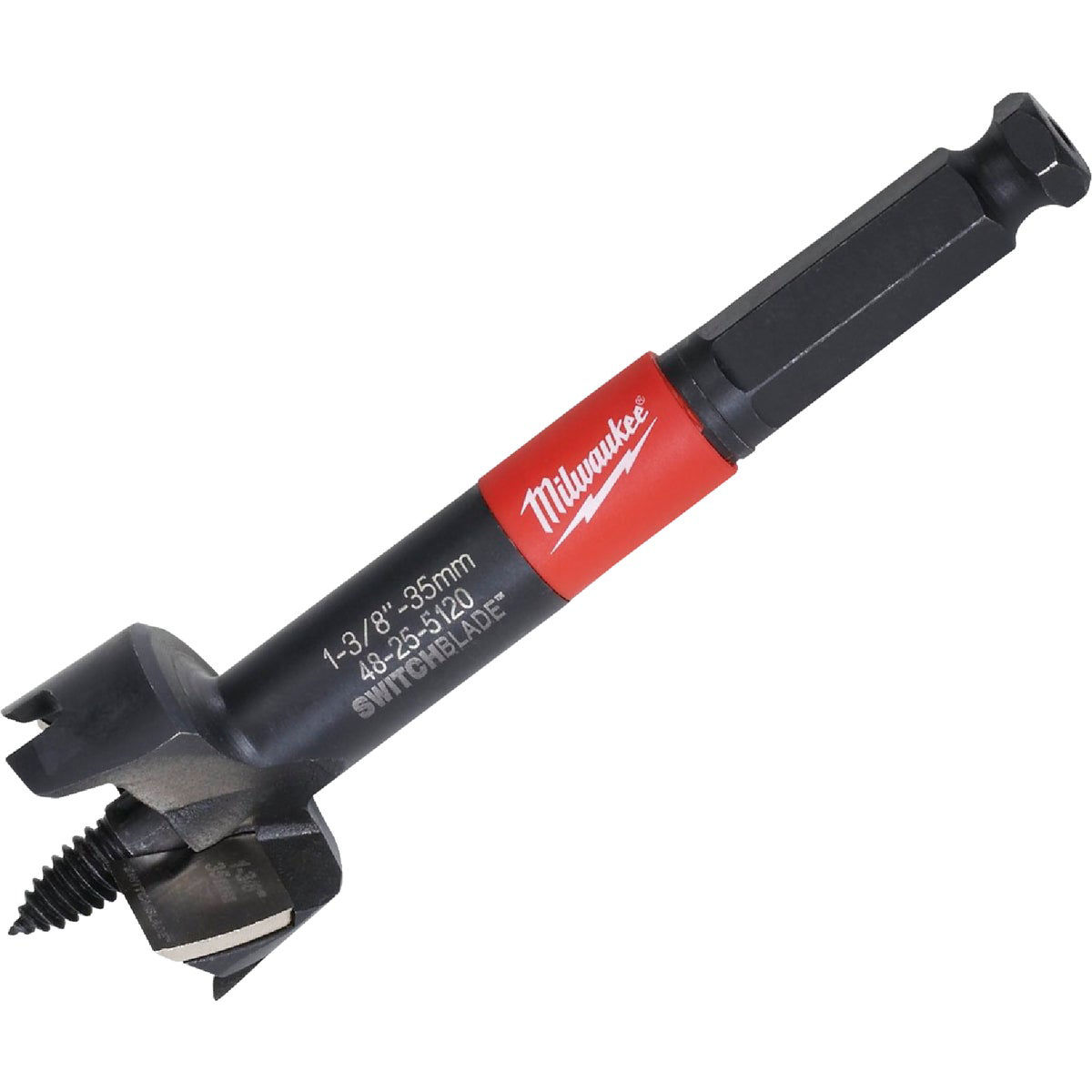 | |
Collection of self-feeding bits in different sizes. | Includes storage case. Ideal for pros wanting versatility, premium steel construction. | 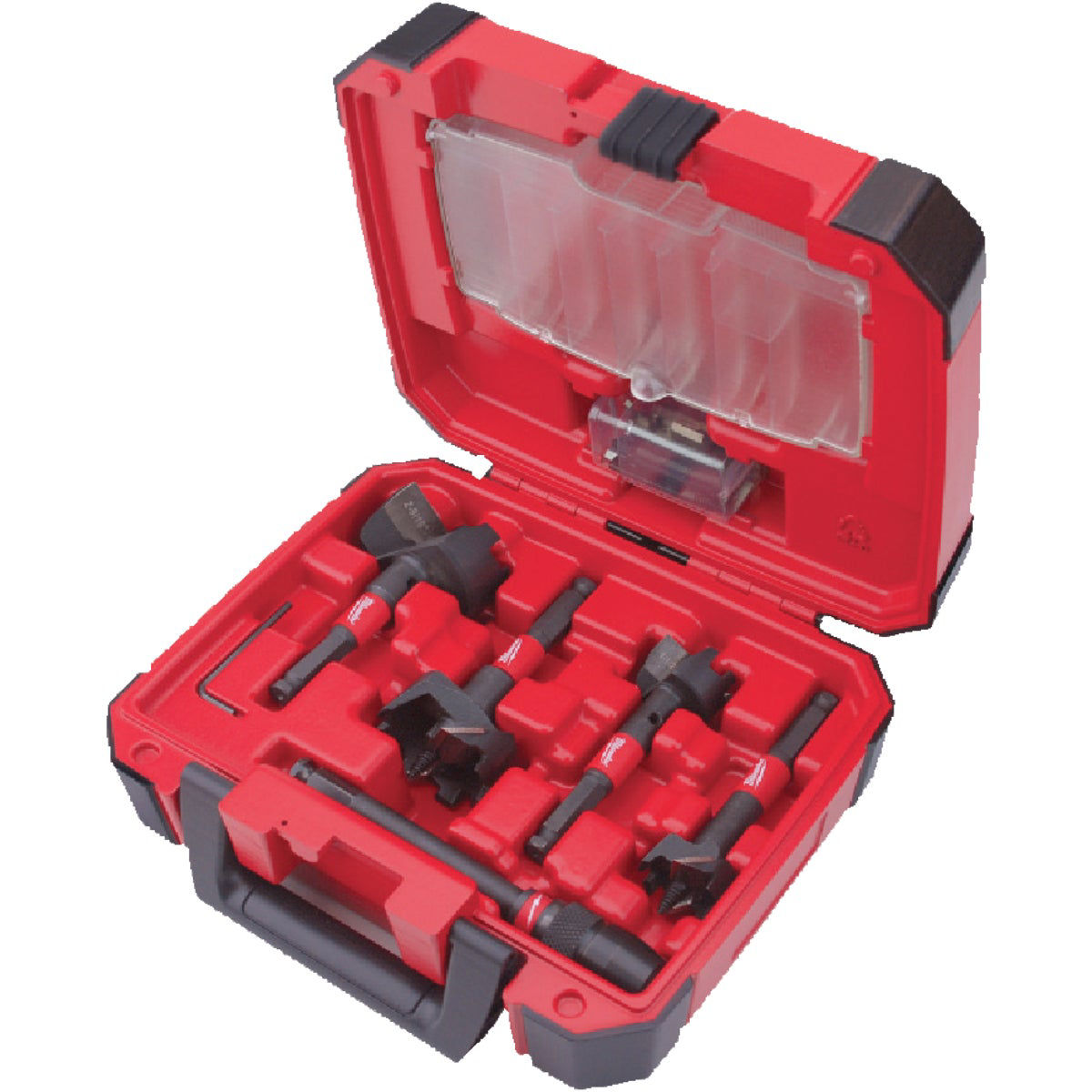 | |
Replaceable tip pieces for self-feeding bits. | Sharp, screw-in design. Keeps bits pulling smoothly through wood. | 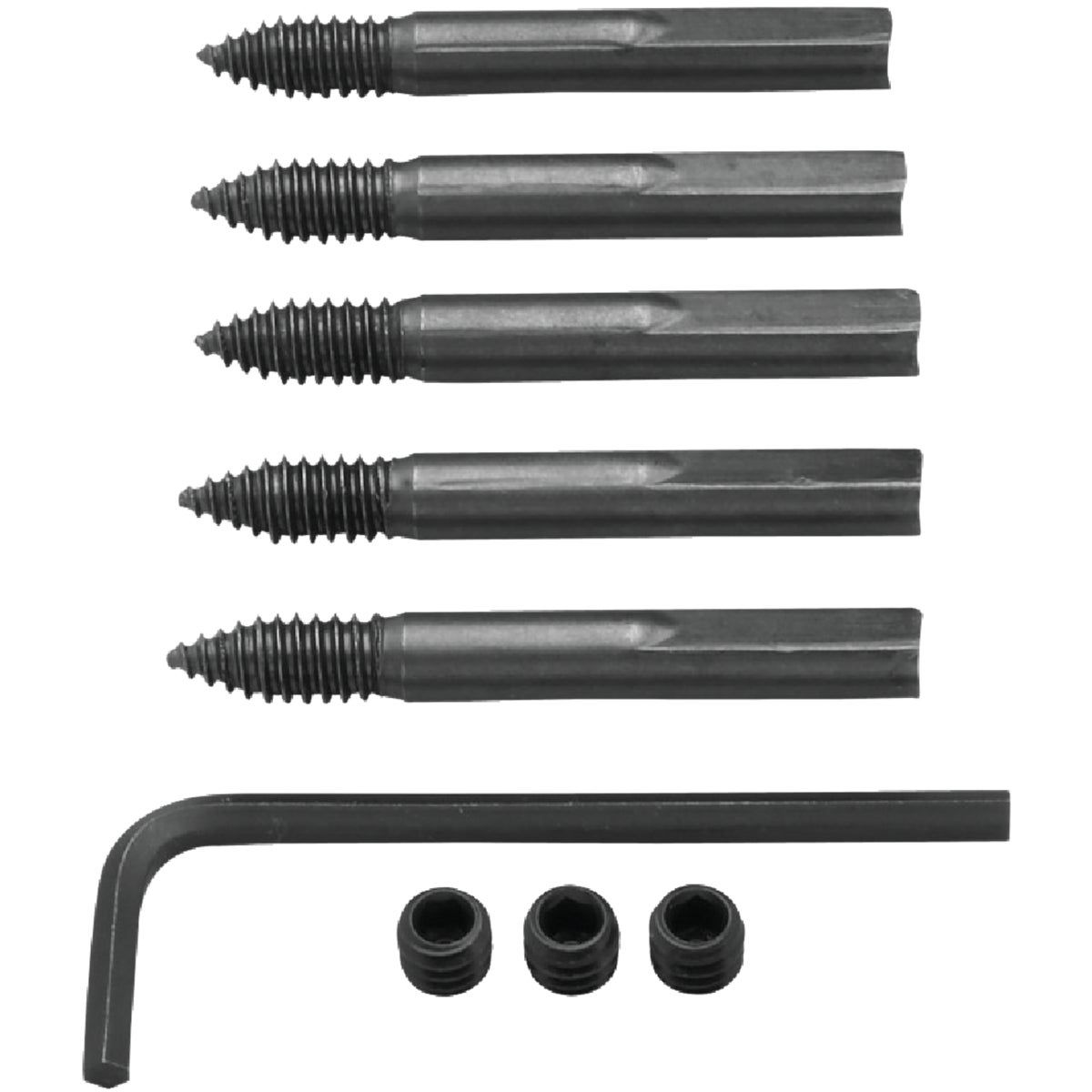 | |
Replaceable cutting edge for dull or damaged self-feed bits. | Helps extend bit life. Easy to install and maintains cutting efficiency. | 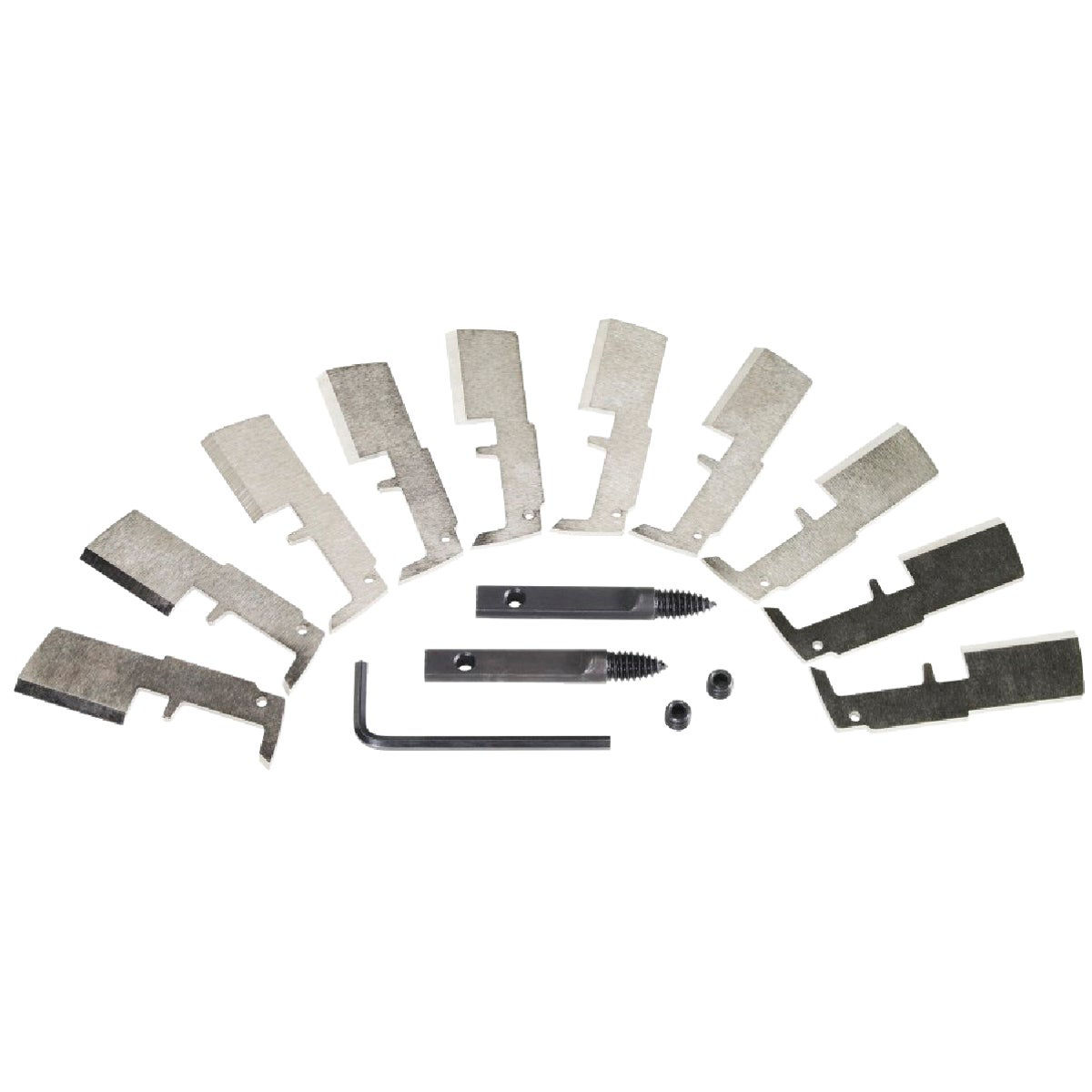 |
Self-feeding bits are built for productivity. Whether you're routing conduit, plumbing drains, or working on HVAC systems, self-feed bits are faster and cleaner than hole saws or spade bits.
What are the Benefits of Self-Feeding Drill Bits?
Self-feed bits are engineered for specific use cases where speed, control, and clean cuts matter most. Here's what sets them apart:
- Aggressive Cutting for Large Holes: These bits are built to bore through thick wood quickly. The feed screw pulls the bit into the material, reducing strain on the user and improving accuracy.
- Perfect for Framing & Utility Work: When you’re drilling multiple holes in studs or joists (for wiring, plumbing, or HVAC ducts, etc.), these bits outperform alternatives by a wide margin.
- Pro-Grade Durability: The high-strength steel construction stands up to knotty wood, nails, and jobsite abuse. And when cutting edges dull, you can swap out blades and tips instead of buying a whole new bit.
- Designed for Use with High Torque Drills: These bits are made to be paired with heavy-duty corded or cordless angle drills, which provide the high power that allows them to drive through dense wood.
- Replaceable Components: Feed tips and blades can be replaced individually, which keeps your most-used bits sharp and effective without the cost of constant replacement.
Choosing the Right Self-Feeding Bit
Different jobs require different self-feeding bits. Here’s how to pick the right bit for your project:
- Determine Hole Size Needs: Are you running large conduit or small wire bundles? Choose the bit or set that matches your common hole sizes. Bit diameters at Do it Best have a wide range, from ¼ in. all the way up to 4-⅝ in.
- Consider Reusability: For frequent use, a full self-feed bit set is more cost-effective. It also keeps your drill bits organized and on hand.
- Plan for Maintenance: If you’re a contractor or a frequent user of self-feeding bits, it might be a good idea to keep replacement blades and feed tips on hand so downtime doesn't kill productivity.
- Use with the Right Drill: Only use these bits with drills that provide adequate torque (typically angle drills for joist work). Underpowered drills may stall or damage the bit.
- Buy Once, Upgrade When Needed: Choose high-quality steel bits from trusted brands like Milwaukee, Diablo, Dewalt, and others to avoid the need for premature replacement.
Whether you’re boring holes through studs, joists, or dense wood, self-feeding drill bits help you get the job done fast and clean. Browse all of our self-feeding drill bits today and take advantage of same-day pickup at your local Do it Best store or home delivery.
Self-Feeding Drill Bit FAQs
If the bit starts binding or cutting slowly, it’s time to check the blade and tip for dullness or wear. Replace them to maintain optimal performance.
In most cases, it's recommended to replace rather than sharpen self-feed blades. Sharpening may compromise the cutting angle and performance. Replacement blades are designed to restore full cutting power quickly and safely.
Yes, but make sure your drill has the power to handle the load. Always pre-test on scrap to avoid overheating or binding.
Yes, self-feed bits can cut through pressure-treated and engineered lumber, but cutting edges may dull faster. Keep spare blades and feed tips on hand for these tougher materials.