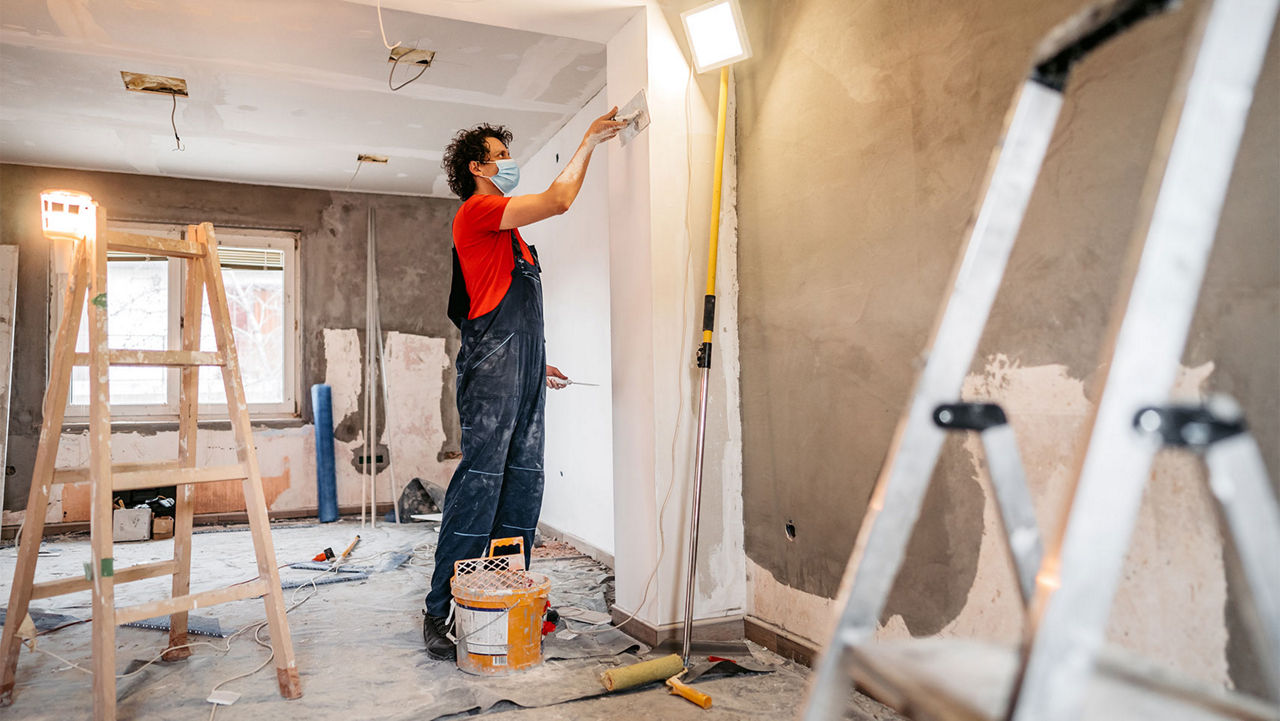
Buying a home that’s 50 years old can be both exciting and intimidating. In the United States, that means the house was likely built in the 1970s, a decade when split-levels, ranch-style houses, and suburban developments were booming.
According to U.S. Census data, about 38% of American homes were built before 1970, and more than half were built before 1980. That means millions of houses across the country share the same age — and the same challenges.
Common issues in homes from this era include:
Electrical systems: Many 1970s homes still have outdated breaker panels, aluminum wiring, or limited capacity not designed for today’s appliances.
Plumbing: Galvanized pipes were common and tend to corrode, leading to leaks and low water pressure.
Energy efficiency: Poor insulation, single-pane windows, and drafty doors were standard.
Hazardous materials: Lead-based paint (banned in 1978) and asbestos insulation or floor tiles may still be present.
Design limitations: Small kitchens, closed-off floor plans, and limited storage are typical of the time.
Many of these houses still have their original wiring, plumbing, or design quirks. By understanding what’s typical for a 50-year-old house, new homeowners can better plan their renovations — focusing on safety and efficiency first, then moving to modern upgrades.