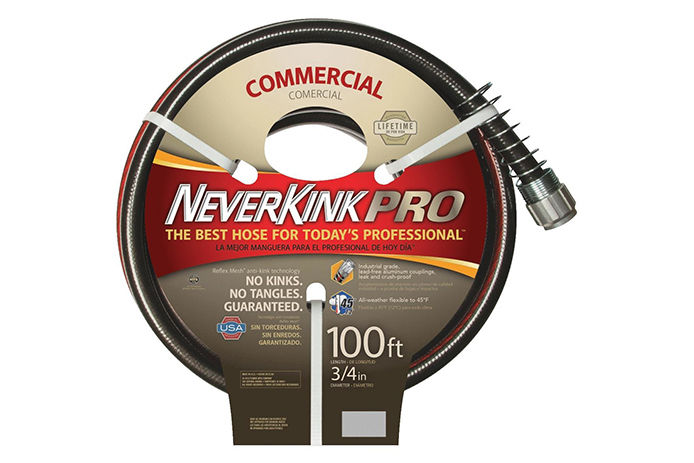
When buying a garden hose, you'll probably read a number of things on the packaging and garden hose description. PSI (or pounds per square inch) ratings describe the pressure a hose can safely handle.
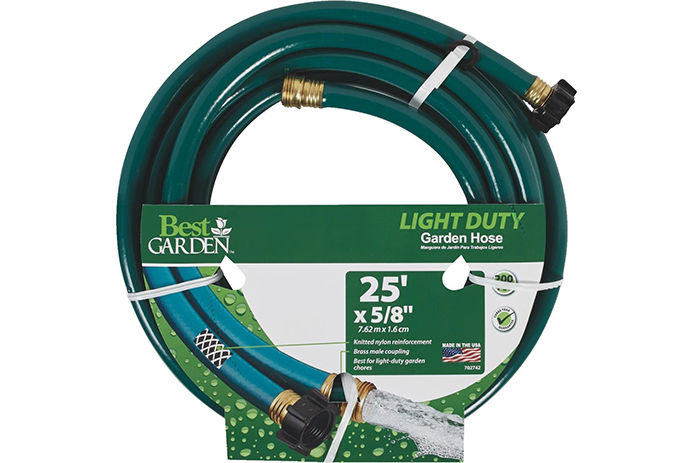
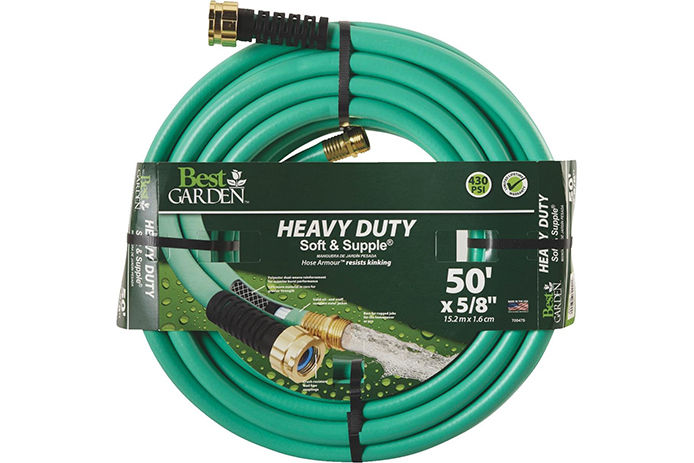
Light-duty hoses may have a rating of around 200 PSI. Heavier-duty garden hoses can feature ratings up to 600 PSI. A lower rating is suitable for most use around the home and yard. Typical residential water pressure is around 45 to 80 PSI. So 350 PSI is often more than enough. However, if you’re using your hose with a pressure washer, check the washer’s manual to ensure that your hose will work.
How to Store a Garden Hose
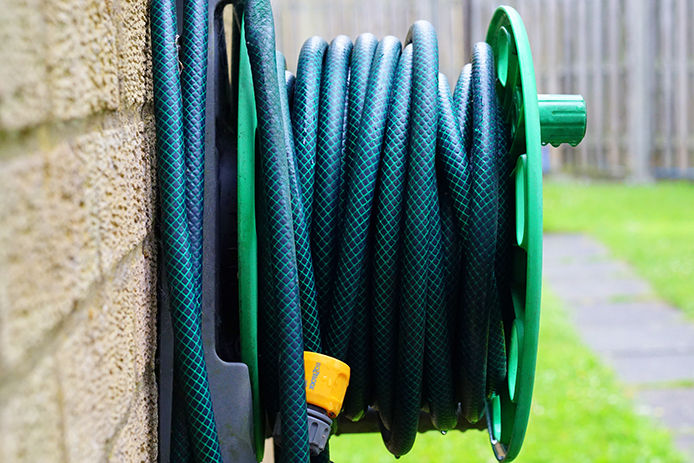
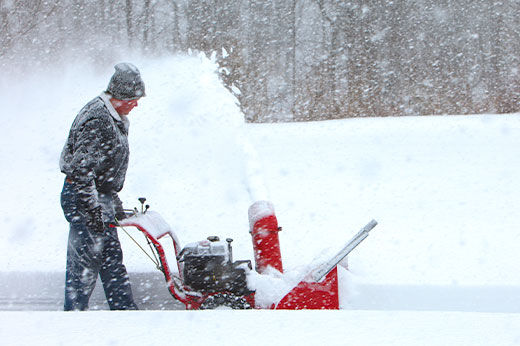
If garden hoses aren't stored properly, they can freeze and crack. Winter weather will eventually damage and degrade your garden hose, so it's essential to remove it from the spigot and bring it into a garage or storage shed when the weather gets cold.
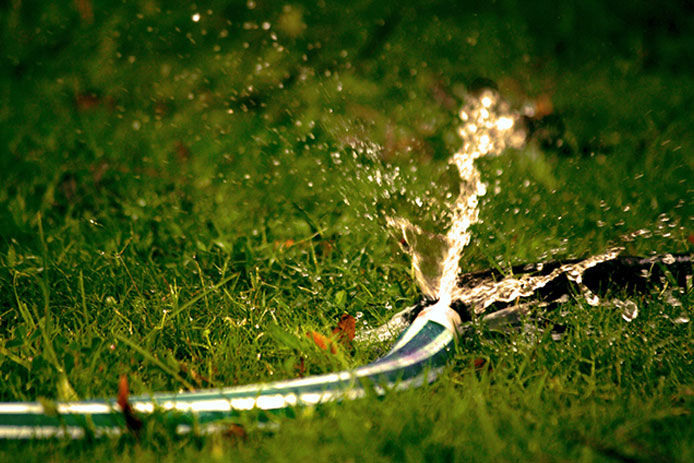
Of course, there are other ways to damage a garden hose too. They can get chewed by pets and other animals; you might accidentally run over your hose with a lawn mower or drive over it with the car too many times. Garden hoses can get bent, kinked, and otherwise unusable. They can also develop leaks.
After a few years, most hoses will wear out. Because they’re made from rubber, plastic, and other soft, flexible material, they will typically degrade over time. If you test out your garden hose this spring and decide it’s time to update, head to your local Do it Best store to find the right hose for your needs.