
While do-it-yourself projects can be fun and fulfilling, there is always a potential for personal injury or property damage. We strongly suggest that any project beyond your abilities be left to licensed professionals such as electricians, plumbers, and carpenters. Any action you take upon the information on this website is strictly at your own risk, and we assume no responsibility or liability for the contents of this article.
How to Detect & Get Rid of Termites
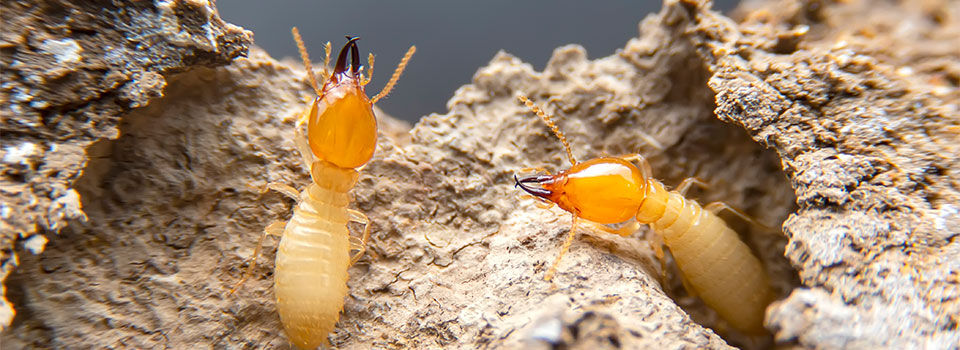
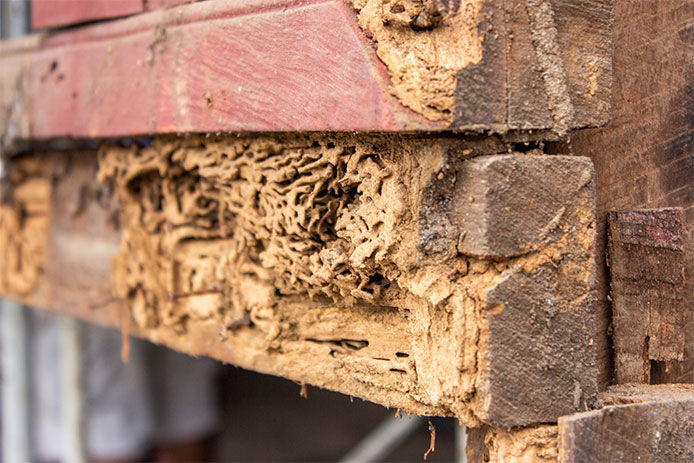
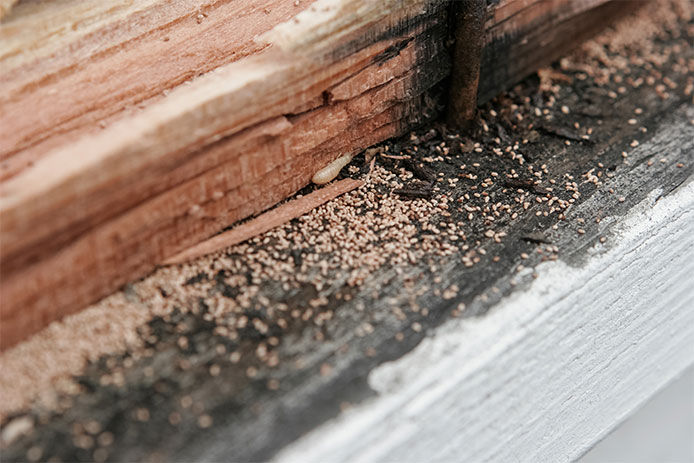
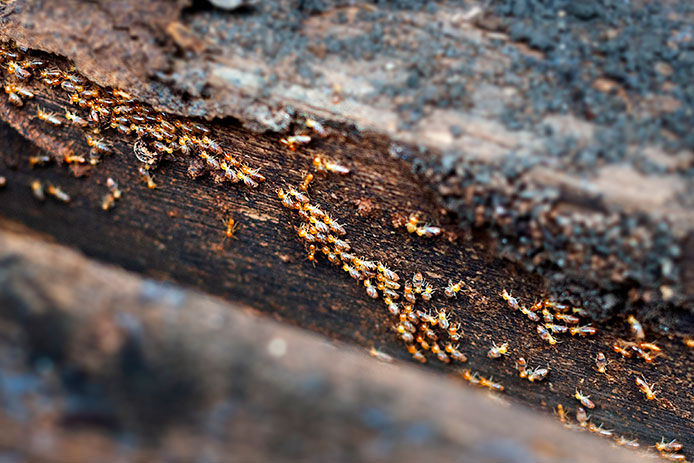
Termites are tiny insects that gnaw into the wood to get cellulose for building their nests. While a single termite can hardly do anything on its own, millions of them can infest a home and cause widespread damage. Looking and listening for signs of termites is the only way to know if they’re damaging your home. With a bit of vigilance and some effort to keep termites away, it’s possible to rest easy knowing your house isn’t being eaten. When termites are discovered, prompt and professional treatment is the key to preserving the rest of the structure and reversing the damage.
What Do Termites Eat?
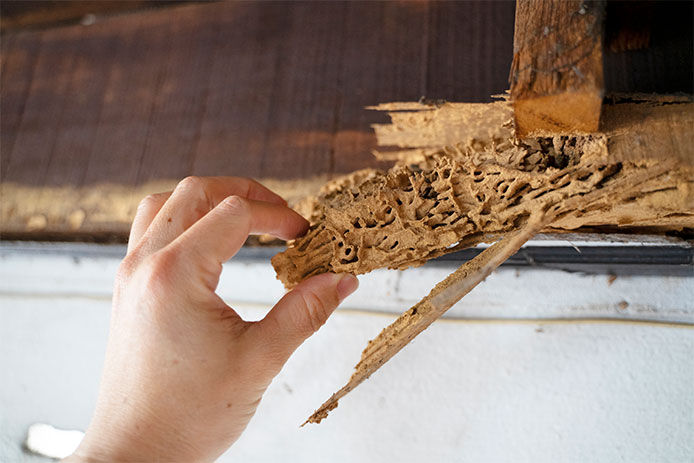
Termites are famous for eating wood, which is why they can be a major threat to traditional wood-framed homes. Of course, they can also eat almost anything based on wood or wood pulp that’s also part of your home. Unless specifically treated to resist them, plywood and chipboard panels can fall prey to termites as well. Even paper and cotton clothing contain the cellulose that these insects are after. However, it’s generally the wood framing of a house that is at most risk. If you have a home framed with steel or another material, termites shouldn’t be a major concern for you, even if some wood materials are used elsewhere.
Treatment Options for Termite Damage
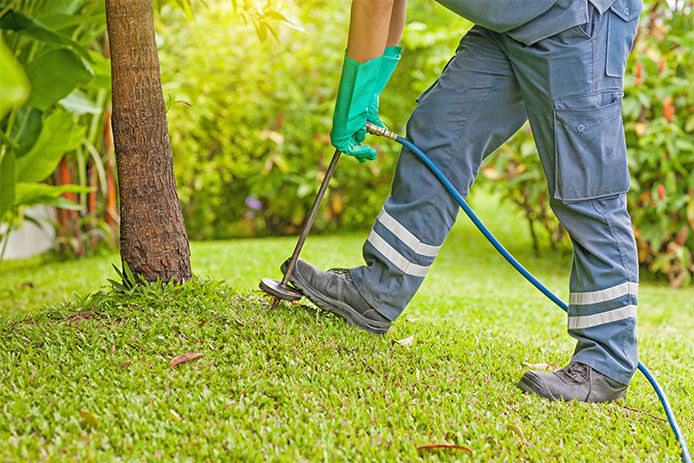
Physical barriers can be installed during construction to prevent termites. However, they won’t work for active infestations. At that point, chemicals are recommended because other methods will leave plenty of insects behind to damage the structure. Many homes need a combination of direct wood treatment, soil-applied treatments to discourage further infestation, and repairs with building materials treated to resist these insects. Trying to use a DIY treatment like borax is almost guaranteed not to work. It’s better to spend the money on a thorough treatment the first time rather than keep fighting these insects for years on end. Leaving damaged material in place is rarely an option. Preventing infestation in the first place is usually less expensive than trying to treat an extensive colony.
Preventing Termites in the First Place
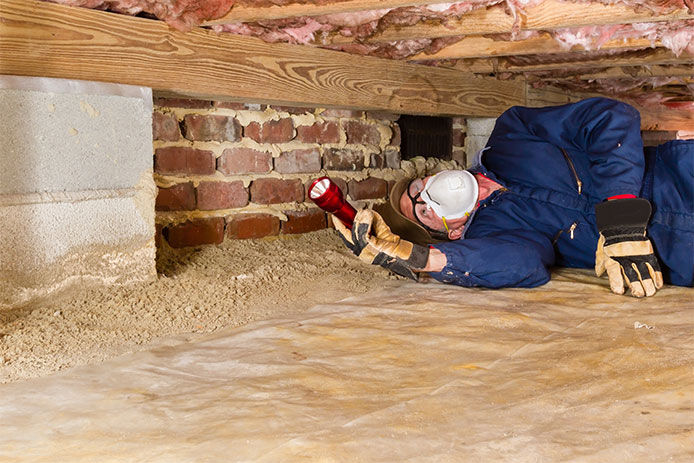
Building the house to keep insects out is recommended if possible. The EPA recommends installing layers of sand in a crawlspace, putting steel mesh in place between framing elements and other physical barriers. Long-term termite treatments also work to keep the insects away from your home. Finally, basic steps include clearing wood away from the home and trimming dying trees so that they don’t encourage the insects to move in nearby.
Termites can cause thousands of dollars in damage each time they infest your home. Even after thorough treatment, re-infestation is possible without adjustments to the structure and further chemical applications. Don’t let your home become damaged by these tiny insects when professional termite treatment is available year-round.
Related Articles

Snowblower Buying Guide: Spend Less Time Shoveling
Learn how to pick the best type of equipment to fit your needs
Learn more
Benefits of Planting Fruit Trees
Let your yard thrive this year by adding a new tree to the mix
Learn more
How Do I Fix Bad Drainage in My Yard?
Use these tips to help keep your lawn dry and prevent flooding
Learn more
How to Start Seedlings Indoors
Here are five easy ways to grow new plants in any environment
Learn more