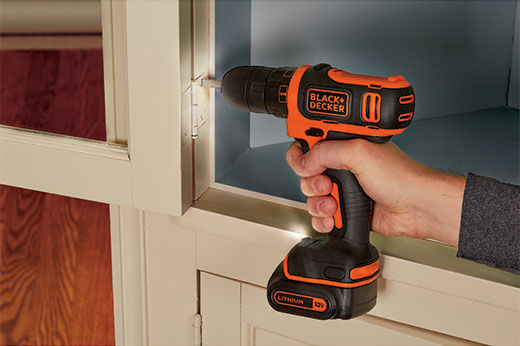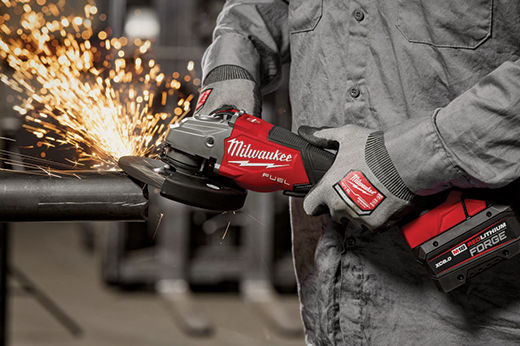
Portable, versatile, and easy to use, cordless drills are a must-have addition to any homeowner’s or renter’s tool bag. From installing shelves with butterfly bolts in drywall to making minor repairs, or even assembling furniture with pesky misaligned screw holes, a cordless drill can amp up the efficiency of any task that requires a drill bit or a screwdriver. For heavier-duty tasks, a cordless driver or hammer drill can make repetitive tasks less tedious with a fraction of the effort.
With so many options, how do you choose? In this cordless drill buying guide, we’ll discuss the types of drills and drivers available, their specs, and how to pick the tool to help you complete your project list today and in the future.
Types of Cordless Drills
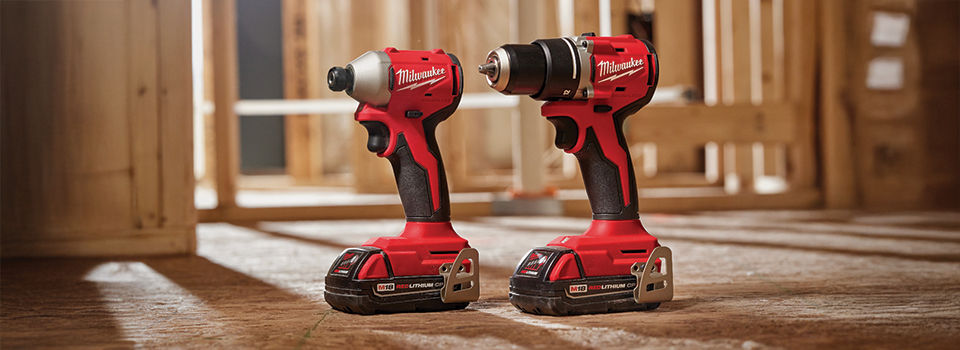
Drills, drivers, and hammer drills all have their place, and most tools aren’t one-size-fits-all. Refer to this handy chart to help you determine which fits your needs.
Drill Type | Features | Use Cases | Image |
Cordless Drill |
| Basic drilling and screwdriving (wood, plastic, drywall) | 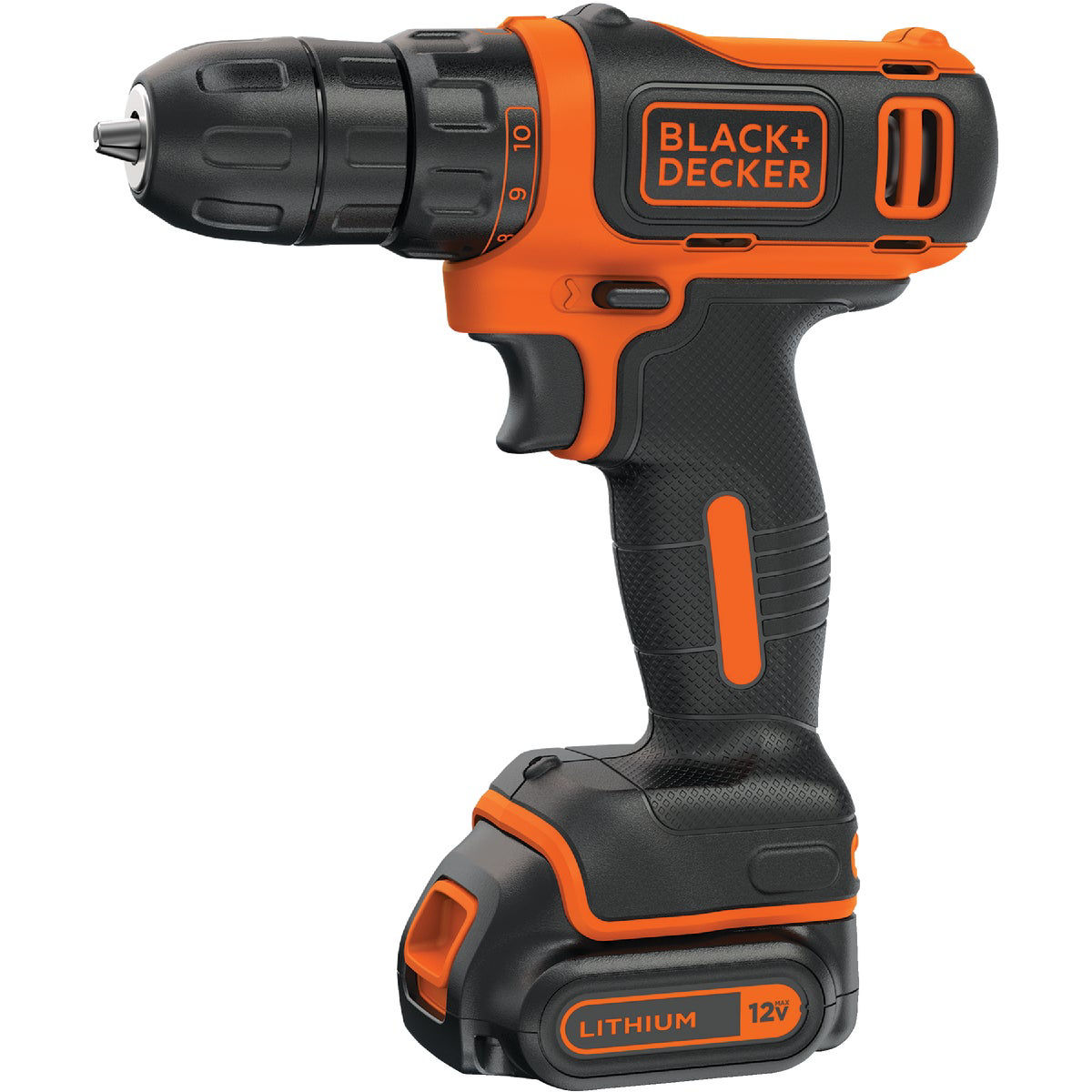 |
| Driving large fasteners, lag bolts, or deck screws | 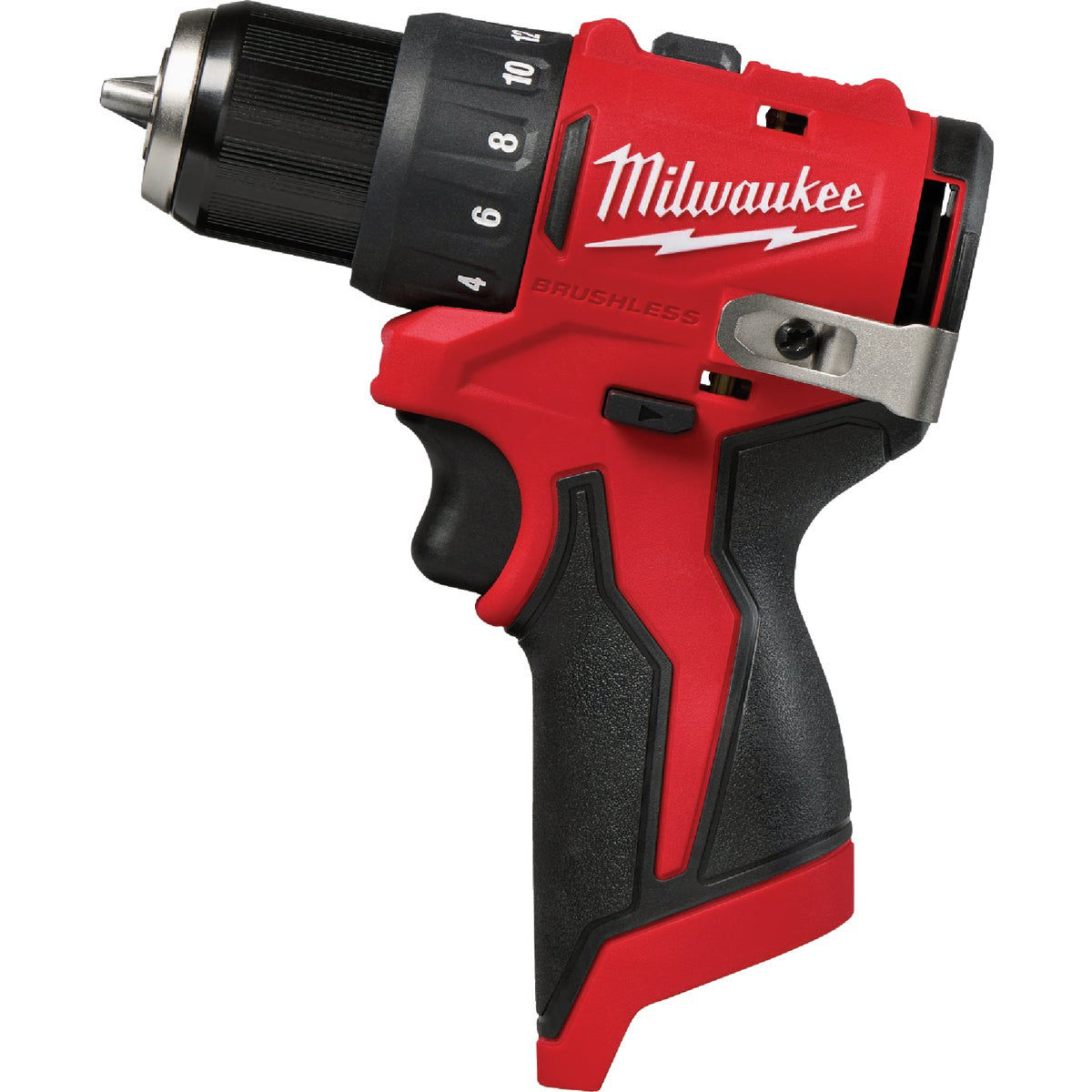 | |
| Masonry and heavy-duty use (concrete, brick) | 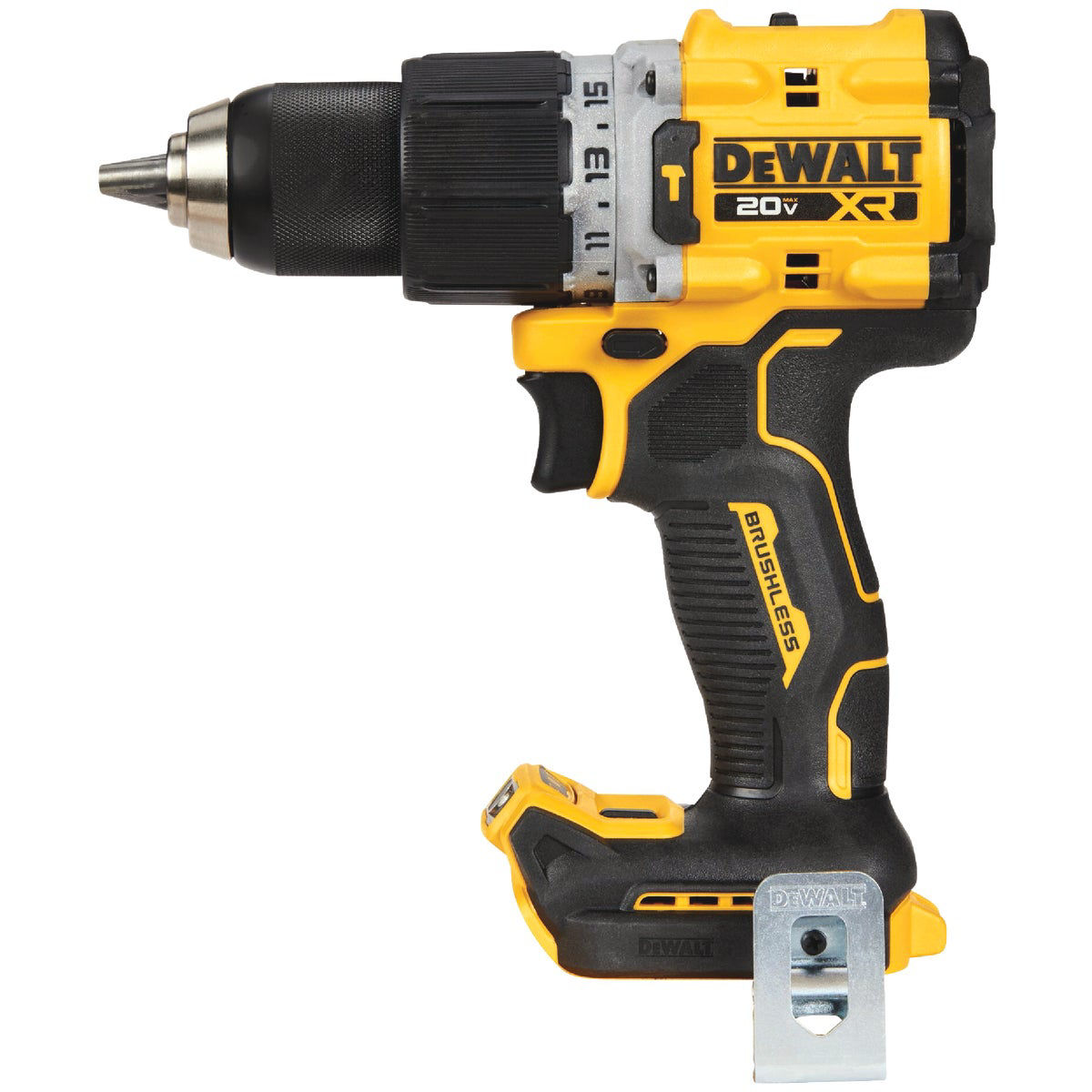 | |
| Drilling and light demolition in concrete, block, and stone | 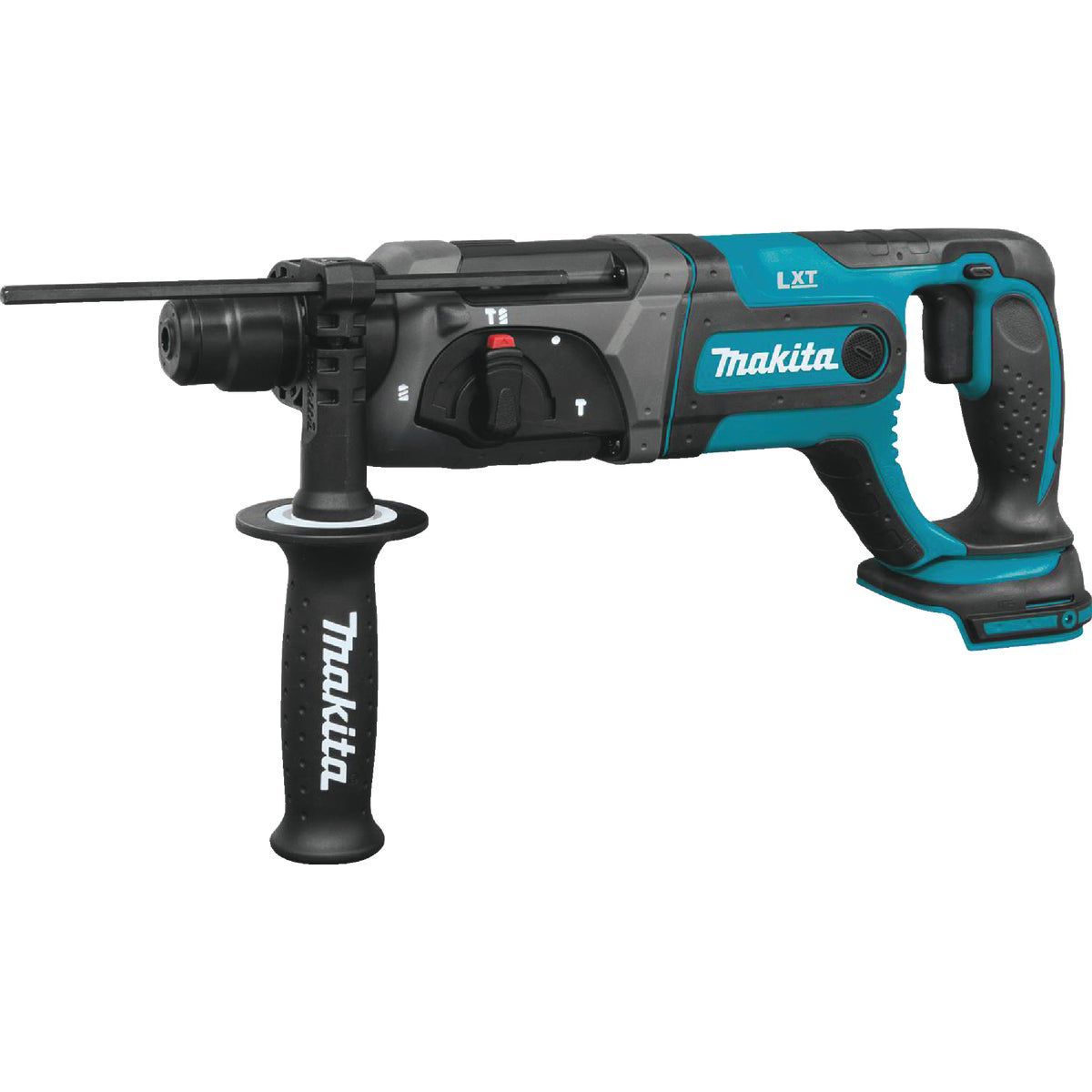 | |
| Light-duty screwdriving and flat-pack furniture assembly | 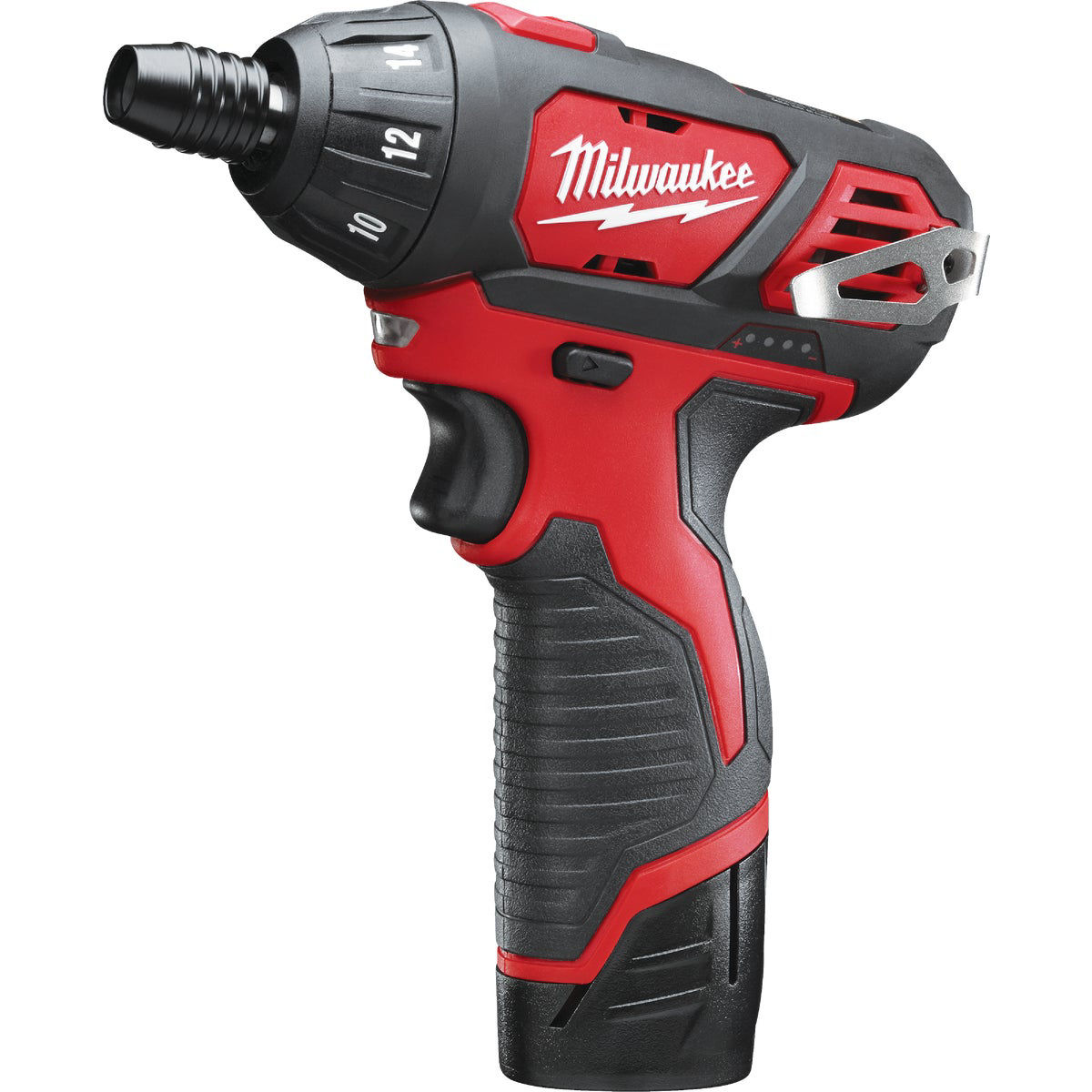 | |
| Drilling in tight spaces (plumbing, cabinetry) | 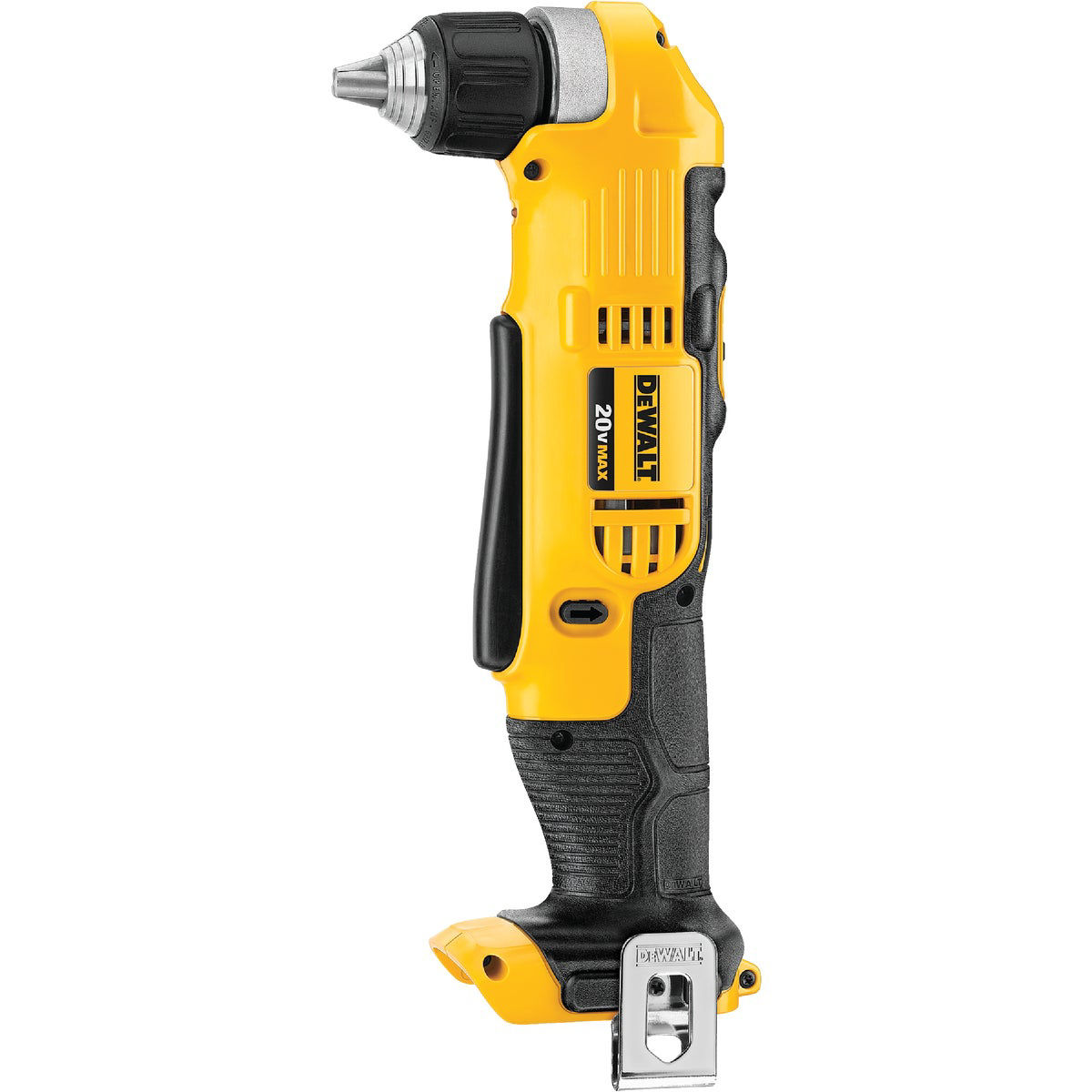 | |
| High-speed, repetitive screwdriving like drywall or subfloor installation | 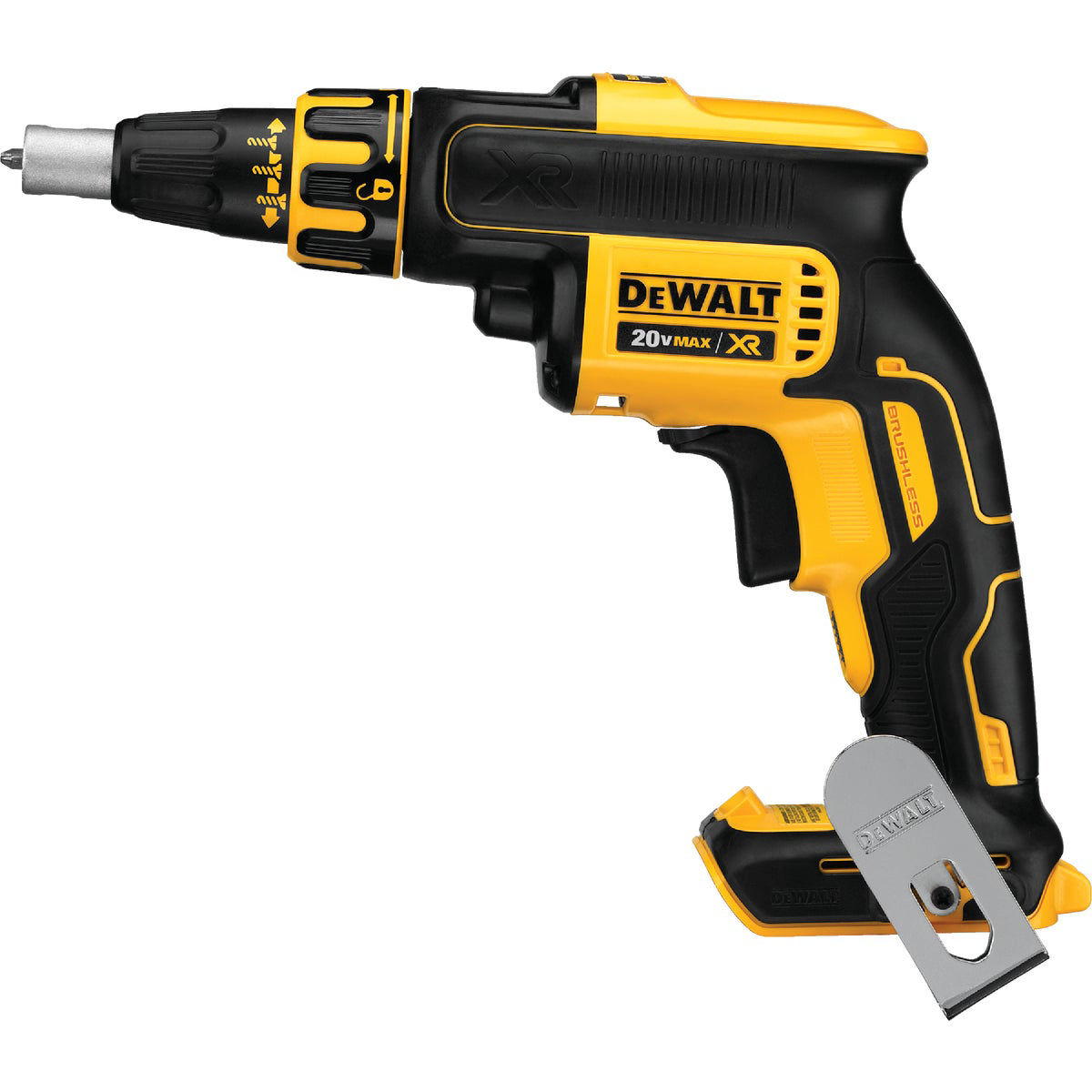 |
What to Consider When Buying a Cordless Drill
Shopping for the best cordless drill for your situation, you’ll find there are lots of options to weigh: motor technology; battery voltage, power, and type; and chuck sizes, to name just a few. Read on for the details of each feature and how to factor them into your decision.
Motor Technology: Brushless vs. Brushed Motors
When picking out a cordless drill or driver, you have a choice between two different motor technologies: brushed and brushless. Brushless motors, once a feature of mainly contractor-grade products, are now found in mid-priced options for home use, making both technologies readily available. Here are the main differences to consider:
Brushless Motors:
More efficient due to electronic control (no friction from brushes).
Typically last longer and require less maintenance.
Ideal for frequent or heavy-duty use with more runtime per charge.
Often come at a higher up-front cost but deliver long-term value.
Brushed Motors:
Lower cost makes them accessible for first-time buyers or infrequent users.
Simpler technology, but more wear and tear due to brush contact.
May run hotter and wear out faster over time.
Battery Voltage and Power
Higher voltage batteries generally equal more power and torque, but they are also heavier and larger. Lighter weight, lower voltage drills tend to be more portable and are ideal for less intense jobs or occasional usage.
Higher voltage and bigger doesn’t always mean better. If you’re an infrequent user or want to have a drill around for those just-in-case repairs, a 12V drill may be all you need. When choosing the right drill for your tool kit, consider job type, frequency, and battery weight, and opt for a drill that gives you the right balance of runtime, weight, and torque for the work you’re doing. Some voltage basics:
Common voltage tiers include 12V, 18V, and 20V systems.
12V drills are great for basic DIY tasks like assembling furniture or drilling into drywall.
18V–20V drills offer higher torque and speed, making them ideal for deck building, framing, or driving long screws into hardwood efficiently.
Battery Types and Runtime
Like voltage, the type of battery power your drill runs on will affect your user experience, determine the cost, and have an impact on rechargeable battery life. You have two options: lithium-ion and nickel-cadmium battery systems. Here are the basic differences:
Lithium-Ion (Li-ion):
Newer technology used in most battery systems.
Lightweight and compact with high energy density.
Delivers consistent power without memory effect over the life of the battery.
Can be stored partially charged and still perform well.
Nickel-Cadmium (NiCad):
Older technology, still available for lower budgets.
Bulkier and heavier design may cause hand or arm fatigue over long use.
Sensitive to overcharging and partial charging (memory effect), with the battery losing its ability to charge over time.
Chuck Size and Type
The chuck may seem like a minor detail, but if you’re planning to use only one drill and need to swap bits mid-project, you may benefit from a keyless chuck for quick changes that won’t slow you down. But for more versatility with bit sizes, other chuck styles may better suit your work.
⅜” chucks are standard for most homeowner-grade drills and fit a wide range of drill and driver bits.
½” chucks are for heavy-duty drills and handle larger bits for woodworking, masonry, or metal drilling.
Keyless chucks allow quick, tool-free bit changes and are standard in most cordless drills today.
Keyed chucks are rare but offer tighter grip for high-torque or heavy-duty bits.
Torque and Speed Settings
Users looking for better control and finish quality with specific materials may want to choose a drill with an adjustable clutch. A collar with multiple settings can increase or decrease the torque depending on the diameter of the fastener and can be adjusted to avoid stripping screws or causing other damage.
When shopping for a drill with torque and speed settings, look for multiple gear options. Lower gears offer more torque, while higher gears offer more speed. For the most versatile tool that can switch between drilling into materials such as wood or metal or drywall, a range of both is ideal.
Ergonomics, Handle, and Weight
If you’re planning to use a cordless drill only to tighten the occasional screw or to assemble furniture, a tool with good ergonomics and a lighter weight may be less of an issue. But for users with physical concerns or who anticipate longer sessions or heavy-duty work, comfort is key.
Ergonomic operation and rubberized grips design can save your hands and shoulders pain over time and improve control without fatigue. For users with smaller hands or for working in tight spaces, choose a compact model that’s easier to grip and maneuver. Cordless drills for extended, all-day use should be under 4 lbs. with balanced weight that won’t require you to pull a front-heavy drill backward as you work. Shopping in person is ideal so you can try out the tool to make sure it will fit your needs.
Brands & Battery Platform
Already own multiple cordless power tools from one brand? Lower your costs and work more efficiently when you choose a drill with the same battery system, essentially increasing your battery life during longer project sessions. When you share batteries across tools, you can charge a depleted battery from one tool and swap in one from another tool with the same battery voltage and brand.
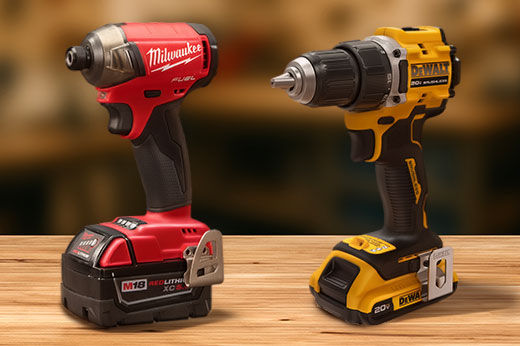
Stick to one battery platform to reduce cost and improve convenience. Do it Best carries trusted cordless drill brands like Milwaukee, Dewalt, and Makita to make sticking with one battery system easy.
Drill Accessories
Once you’ve chosen the best cordless drill or driver for your home use, make sure to buy high-quality drill bit sets for the materials you plan to drill or drive into. Bits and materials can overheat and smoke if the bits don’t match the intended use, so be sure to buy the right bits for whatever you’re working on—wood, masonry, metal, etc.—and match the chuck size and style of your drill.
Expert users may want to expand their tool’s capability with additional drill accessories like doweling jigs, chucks and chuck holders, plug cutters, and more.
Choosing the Right Cordless Drill
Still not sure which drill is right for you? Ask yourself a few questions:
How often will you use the drill? Just for weekend projects or for weeklong renovation projects or building a deck? Occasional users may be fine with a 12V, lighter weight cordless drill, while projects requiring extended drilling may be more efficiently completed with a heavier duty tool.
What materials are you drilling into—wood, drywall, metal, or concrete? Again, drilling into drywall to install a couple of wall anchors or assembling flat-pack furniture once in a while won’t require adjustable torque and a heavier duty drill. But if you plan to build a deck or install cabinetry, a tool that will stand up to extended use day after day is worth the investment.
Do you need to drive screws too? If so, look for models with variable clutch and speed control.
Are you already committed to a battery platform like Dewalt, Makita, or Milwaukee? Choose a cordless drill that matches the voltage and brand of your other tools so you can swap batteries between tools and a charger to work more efficiently.
Cordless drills and drivers aren’t one-size-fits-all. But whether you plan to use your drill only occasionally or for longer sessions and weekly jobs, there’s a drill for you. Browse all cordless drills at Do it Best and visit a local Do it Best location to try out products before purchasing to pick out the best drill for your home use.