
|
|
Different Types of Nails and How to Use Them
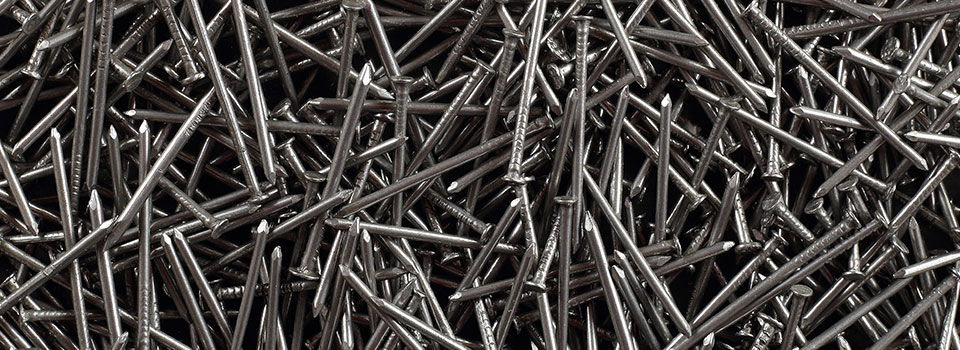
Walking into the nail aisle at your local hardware store can sometimes feel overwhelming. All these little bits of sharp metal that all look almost exactly alike but aren’t, and presumably, all have different functions. Where to begin?
One characteristic of nails is that they are designed to fasten pieces of material together. Nails are a simple and basic type of fastener that has been used in construction in one form or another for upward of 3,000 years, making them one of the most time-tested items used in building. Typically, nails are used to fasten pieces of wood or timber, but can also have other uses. The wide variety in nail shape, size, and design makes them functional for specific uses. With this in mind, let’s explore the variety of types of nails to understand which types are suited for what uses.
Nail Size and Design
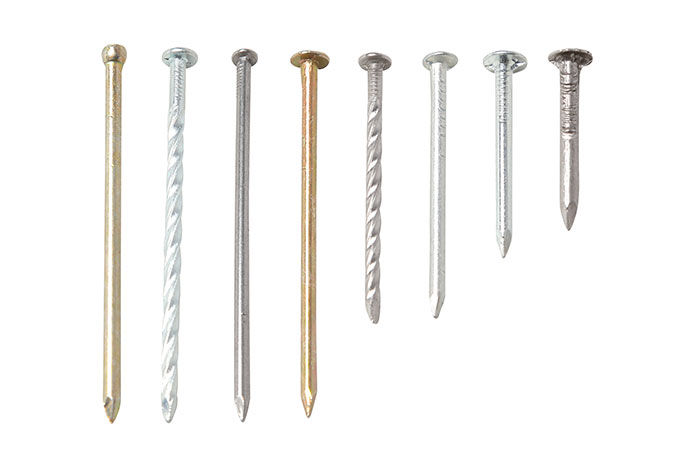
Nail size is determined by both length and gauge. Nail length is indicated by the letter “d,” which is a system of measurement that dates back to old England and originally represented the word “pennies.” Nails come in many lengths ranging from 2d all the way to 50d with corresponding lengths.
The nail gauge is the measurement of the nail’s diameter. The higher the gauge, the thinner the nail. Different purposes will require a different nail size and gauge. A good rule of thumb is that you should use a nail that is three times as long as the thickness of the material you are fastening.
Nail Types
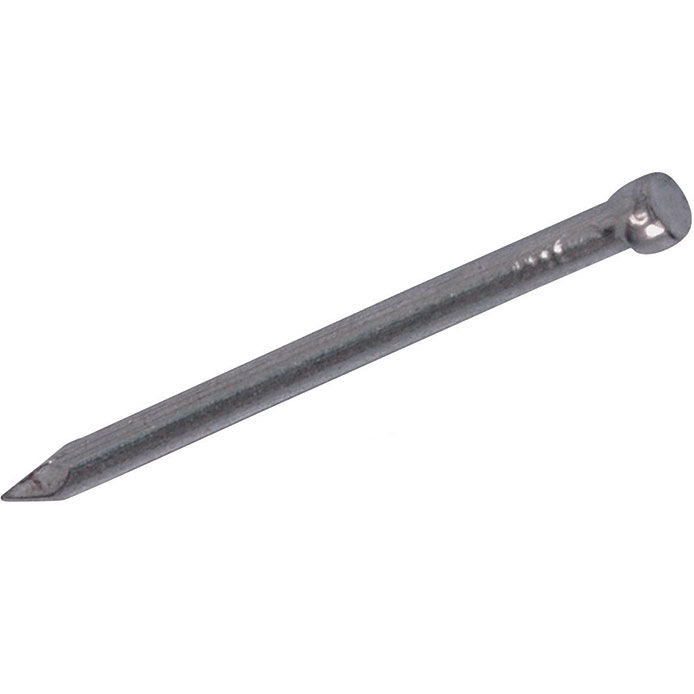
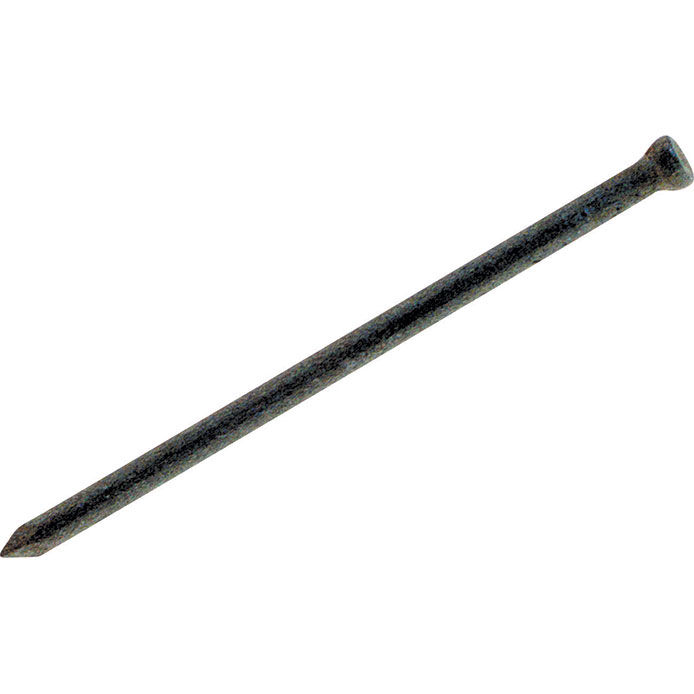
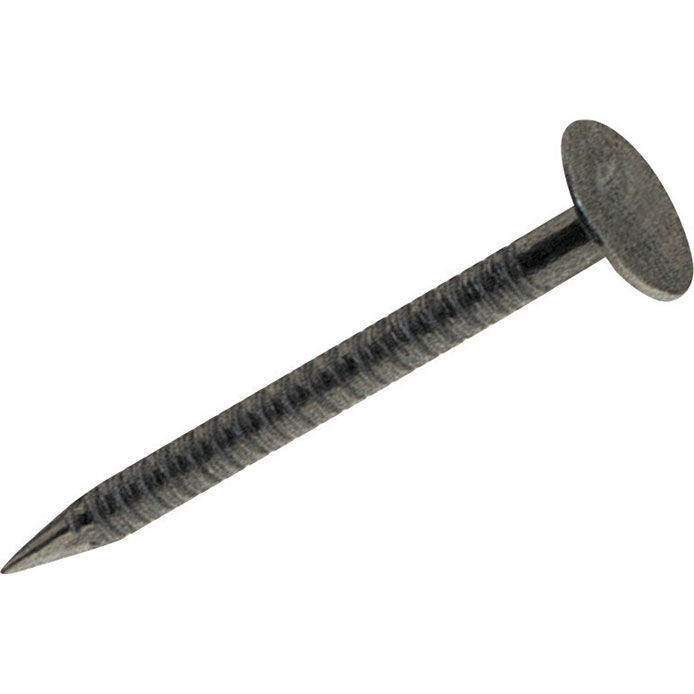
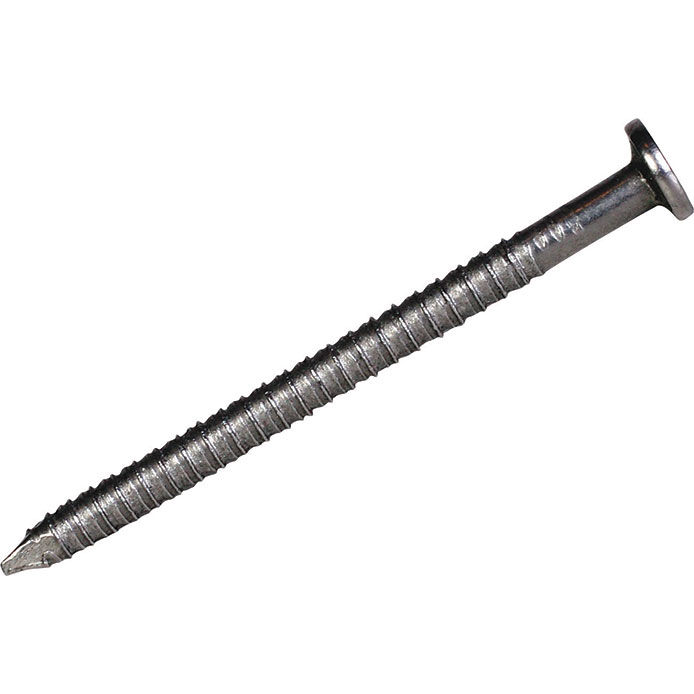
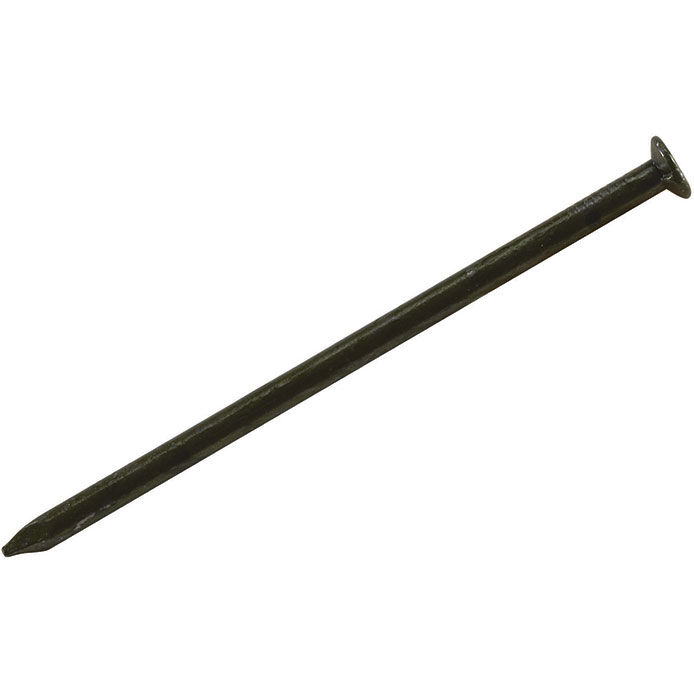
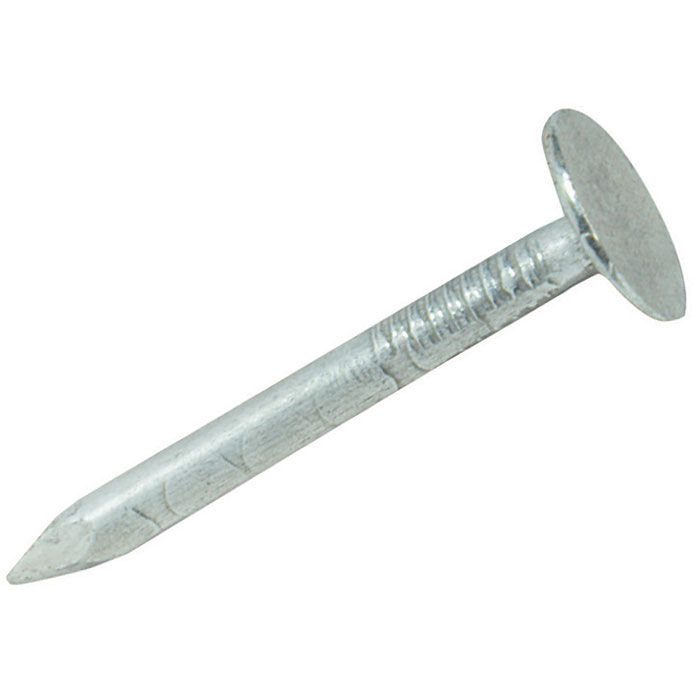
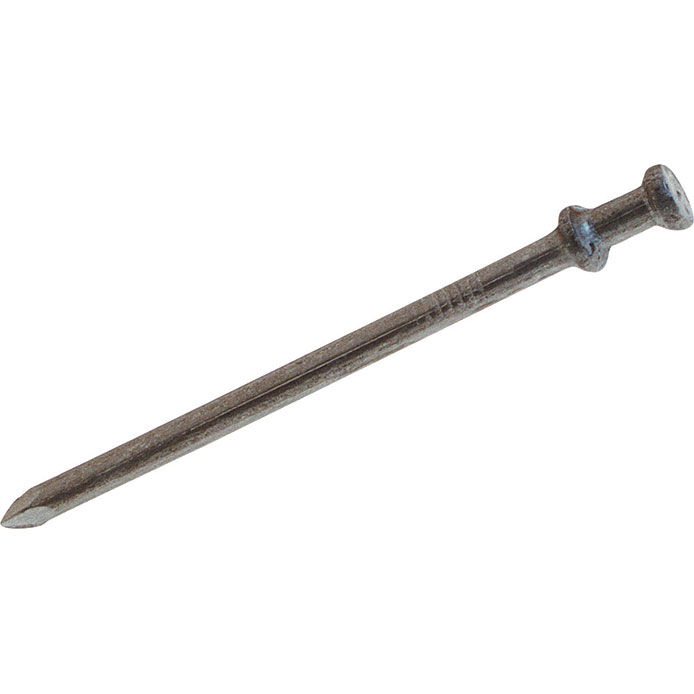
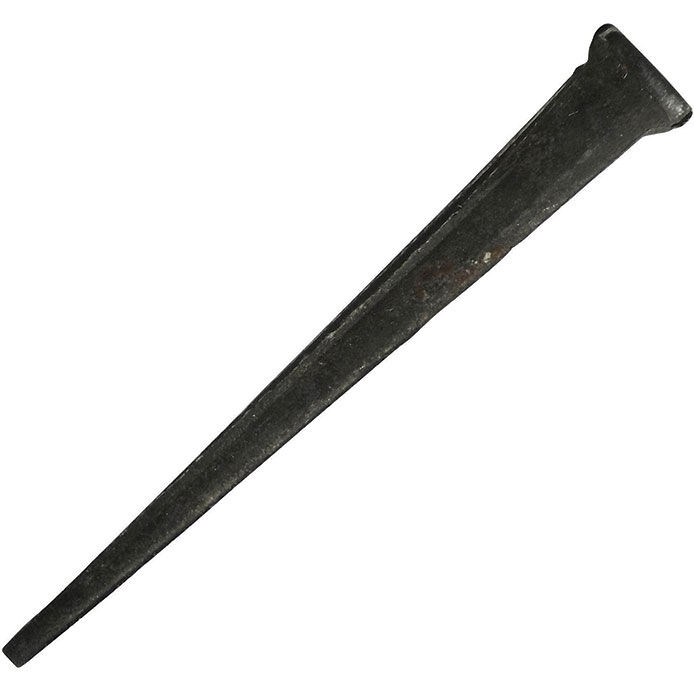
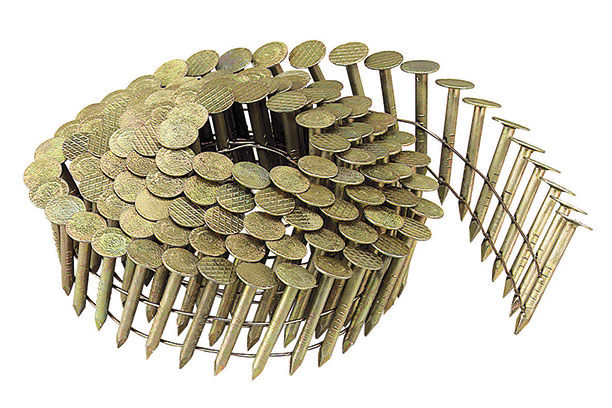
Nail Precision
Nails are an entire world in and of themselves, but with a little guidance and help, you can easily navigate your way to find which nails are the most precise fit for your project.
While do-it-yourself projects can be fun and fulfilling, there is always a potential for personal injury or property damage. We strongly suggest that any project beyond your abilities be left to licensed professionals such as electricians, plumbers, and carpenters. Any action you take upon the information on this website is strictly at your own risk, and we assume no responsibility or liability for the contents of this article.
Related Articles

Cutting, Drilling, and Joining Metal Stock: What You Need to Know
Discover practical guides and tips on working with metal stock including flat bar, angle, tubing, threaded rod, and more. Learn how to cut, drill, and join metal for DIY builds and professional projects.
Learn more
The Best Mailboxes of 2025: Modern, Decorative, Secure, and Residential Options
Discover mailbox ideas, tips, and buying guides to help you choose stylish, secure, and durable options that enhance your home’s curb appeal.
Learn more
What Type of Padlock is Most Secure? A Guide to High-Security
Explore expert advice on padlocks and security solutions. From choosing the right type to understanding advanced features, find the best ways to protect what matters.
Learn more
Roofing Nails: A Comprehensive Guide to Nails for Roof and Shingle Installation
Explore expert guides on roofing nails – learn how to choose, install, and maintain the right nails for lasting, secure roof and shingle performance.
Learn more
8 Steps to Mounting a TV on the Wall
Safe and easy ways to upgrade your viewing experience at home
Learn more