Content
Choosing the correct collated nails is critical to ensure compatibility with your nailer and structural integrity for the task at hand. Incorrect nail selection can lead to tool malfunction, compromised fastening, and inspection failures. This guide is intended for professionals who need accurate, technical information when selecting nails for specific tools and applications.
Start with Your Nailer
Begin by identifying the exact model of your nail gun. Each nailer is designed to accommodate nails of specific angles, collation types, lengths, and gauges. Most framing nailers, for instance, operate at fixed collation angles - 21° , 28° , 30° , or 34° . Using a nail with the wrong angle or collation method can result in feed failures or jams.
Key Specifications to Check
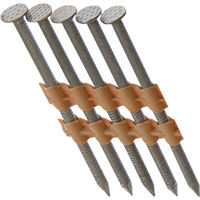
- Collation angle (e.g., 21° for full round head plastic strip nails)
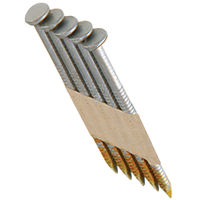
- Collation material (plastic, wire, paper)
- Nail length range (e.g., 2" to 3-1/2")
- Shank diameter (e.g., 0.113" to 0.148")
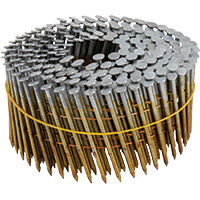
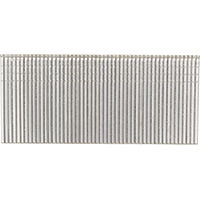
- Magazine type (strip or coil)
- Operating pressure range (ensure the nail length doesn't exceed pressure specs)
Refer to the manufacturer manual or label on the tool body to confirm these specs.