Repairing vs. Replacing a Broken Water Heater

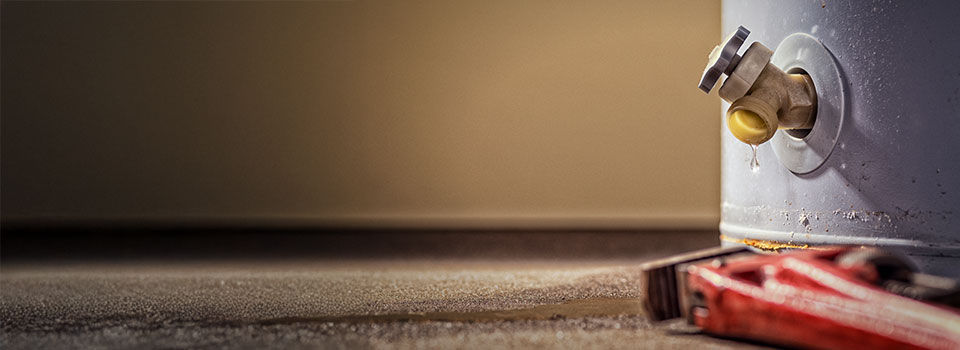
A leaking faucet on a residential electric water heater with a red pipe wrench in the foreground

A failed water heater doesn’t always need to be replaced, but there are factors to consider before deciding whether to repair it. Weighing the cost of a repair against a replacement isn’t the only issue. The unit’s energy efficiency, warranty, and overall condition also play a role in determining how to proceed.

This guide will help you evaluate when to repair a broken unit and when to shop for a new water heater to make the best long-term investment with your budget.

Start by Considering the Age of Your Water Heater

The age of your water heater is the first step when deciding whether to repair or replace your broken unit. The type of water heater you have directly affects the expected lifetime of the appliance, so if your water heater is out of warranty or close to the end of its life cycle, replacing it may be your best bet.

Traditional Tank Water Heaters

Most traditional storage tank water heaters are meant to last between 8 and 12 years. A newer unit under warranty should certainly be repaired. But as these water heaters approach the end of their typical lifespan, repairing them may not be worthwhile, because more failures are likely. Even if a major repair is successful, an older unit may require additional service or could soon fail completely.

Another issue is efficiency. Traditional tank heaters are an older technology and less efficient than tankless or hybrid heat pump units. And over time, hard water buildup and corrosion can shorten the projected lifetime of the unit and reduce their efficiency, making them more expensive to run.

Tankless Water Heaters

Tankless water heaters typically last the longest of all the water heater types, from 15 up to 20 years or more. That means staying on top of water heater maintenance, especially in regions with hard water, to extend their service life. A tankless model in good condition is worth repairing unless it’s toward the end of its expected lifetime.

Hybrid/Heat Pump Water Heaters

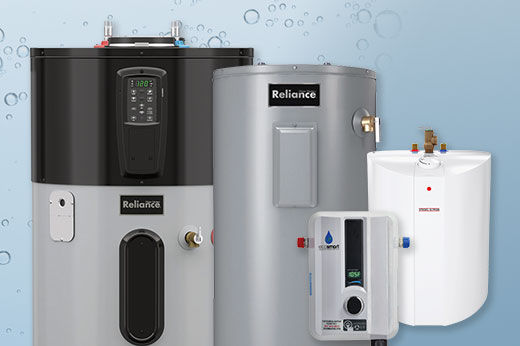
Hybrid water heaters typically last longer than traditional tanks and less than tankless units. Because of their higher purchase price and excellent energy efficiency, hybrid units tend to be better long-term investments, so repairing rather than immediately replacing is often worthwhile.
When to Replace a Water Heater

How do you know when it’s time to replace a water heater? A few telltale signs will tell you that repairs aren’t possible and that replacing the unit is your only viable option.

  • Rust-colored or discolored hot water indicates corrosion inside the tank.
  • Inconsistent water temperature or running out of hot water more quickly than normal signals worn-out or failed heating components that may require a full unit replacement, but some cases are repairable.
  • Water pooling around the unit typically indicates a cracked tank.
  • Higher energy bills without changes in water usage may be a sign the unit is declining in efficiency.

If you’re experiencing any of these problems and are unsure about the condition of your water heater, first consult a qualified professional to help determine whether your unit should be replaced.

When Repairing Your Water Heater Might Be Worth It

A water heater with more minor maintenance issues than the ones above can often be repaired to serve for many more years before it needs replacing. Here are symptoms of some repairable problems:

  • No hot water (electric water heater) is often caused by a failed heating element, thermostat, or tripped breaker.
  • No hot water (gas water heater) may be due to a faulty thermocouple, unlit pilot light, or gas control issue.
  • Leaking pressure relief valves that are worn or faulty are replaceable parts that don’t usually indicate a new water heater is required.
  • Small leaks around plumbing connections or valves such as loose fittings, supply lines, or drain valves can often be tightened or replaced without a unit replacement.
  • Rumbling or popping noises caused by sediment buildup can sometimes be resolved by flushing the tank.
  • Inconsistent water temperature may be caused by a failing thermostat, heating element, or burner rather than the water heater itself.

These minor maintenance issues are generally repairable, but be sure to consider the age of the unit and its warranty status to decide whether replacing the water heater is more cost-effective.

In the case of inconsistent water temperature, which can indicate either repair or replacement, consult a qualified professional.

Making the Decision: Should You Repair or Replace Your Water Heater?

Before you decide whether to repair or replace a broken water heater, keep in mind the following factors:

  1. What is actually wrong with the unit?
    • Minor issues like failing thermostats, heating elements, pressure relief valves, or thermocouples can often be repaired.
    • Problems involving the structure of the tank itself, like cracks or internal corrosion, generally require replacement.
  2. How old is the water heater?
    • Traditional tank water heaters last 8–12 years, tankless models 15–20 years, and hybrids 10–15 years.
    • The closer a unit is to the end of its anticipated lifespan, the more likely it is that replacement will provide better long-term value.
  3. How expensive is the repair?
    • Compare the repair estimate with the age and condition of the water heater.
    • General rule: If the cost of repair exceeds 50% of the unit's price, replace the unit (especially if it’s older).
    • Also consider whether additional repairs are likely in the near future.
  4. Has your water heater needed multiple repairs recently?
    • Repeated breakdowns may indicate that the system is wearing out and becoming less reliable and may need replacing.
    • Frequent repairs on an older or out-of-warranty unit can quickly exceed the cost of a replacement.
  5. Has your household's hot water demand increased?
    • Your current water heater may have been properly sized when it was installed, but your family's needs may have changed.
    • Additional family members, bathrooms, or appliances may justify upgrading to a larger unit.
  6. Is the water heater still operating efficiently?
    • Sediment buildup, aging components, and outdated technology can all increase energy consumption.
    • Newer technology such as high-efficiency, tankless, and heat pump water heaters can significantly reduce energy usage and lower operating costs.
  7. Will a replacement provide long-term savings?
    • Replacing a water heater requires a larger investment up front, but over  time, lower utility bills, fewer repairs, new manufacturer warranties, and improved efficiency can make a replacement more cost-effective than repairing an older unit.

When It’s Time to Replace, Consult the Experts at Do it Best

Once you’ve evaluated the age, condition, repair costs, and efficiency of your current unit, you can confidently make a decision about whether to repair or replace. 

Not sure which way to go? You can visit a local Do it Best store to get advice from one of our home improvement experts, or browse replacement water heaters and water heater parts online at Do it Best today.

test

How to Choose the Right Water Heater For Your Home

Choosing the right water heater can make a big difference in your home’s comfort, energy use, and utility costs. Learn how to compare water heater types, choose the right size and fuel source, and find a model that fits your household’s hot water needs, available space, and budget.

Learn more
test

How to Keep Your Pipes from Freezing

Seven simple tips to avoid plumbing damage as the temperature begins to drop

Learn more
test

How to Troubleshoot a Dishwasher

Easy DIY repair tips you can try before calling a professional

Learn more
test

How to Replace and Install a Bathroom Faucet in 6 Easy Steps

Easily upgrade your bathroom or kitchen with some new fixtures

Learn more
test

Made in the USA

Four American-made brands with craftsmanship and quality you can trust

Learn more