Brushed vs. Brushless Drill Motors: What’s the Difference & Which Do You Need?

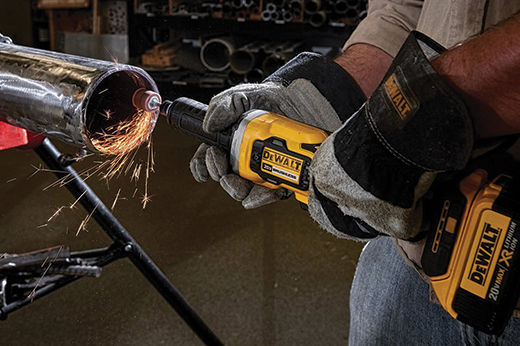
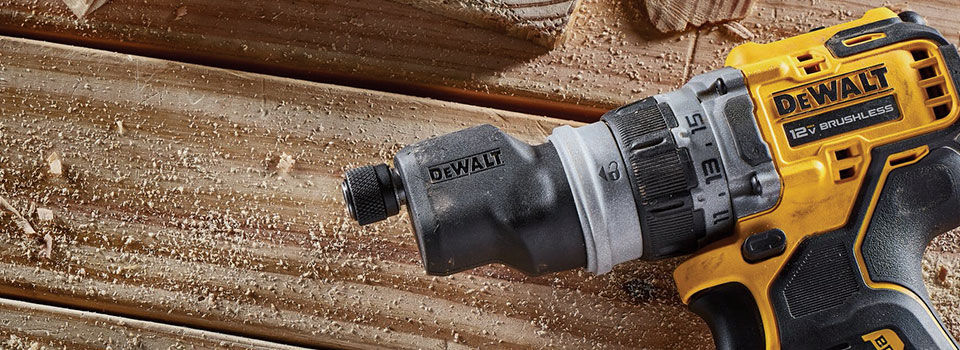
Close-up of a DEWALT brushless cordless drill

Buying your first drill or looking to upgrade from an older model? One of the most common questions shoppers have is whether to choose a tool with a brushless or brushed motor. Unlike the “corded or cordless?” question, where convenience and portability are the main considerations, the type of drill motor that’s best for you depends on a few other factors. In this post, we’ll break down the differences between brushed and brushless motors to help guide you to the right choice for tackling your project list.

What Is a Brushed Motor? 

Brushed motors, invented in the mid-1800s, predate brushless motors by about a hundred years. The older technology uses carbon “brushes,” which aren’t brushes at all. Instead, they resemble two tiny metal boxes connected by a small spring. When the drill is operated, the voltage flows from a part of the motor called the commutator to the brushes. The brushes’ contact causes the rotor to spin. Over time, the friction of the brushes on the rotor causes the brushes to wear out.

The main upside of brushed-motor drills is lower up-front cost, but their affordability has trade-offs: they are less energy efficient, and the lifespan of the tool tends to be shorter. The necessary friction caused by this brushing motion generates more heat. Excess heat means that brushed motor drills tend to be heavier and bulkier, as the design requires the heat to be vented. The energy lost because of the generated heat means that brushed motors tend to be less energy efficient, requiring more charging time for cordless models and less power overall.

What Is a Brushless Motor?

Brushless motors are the modern upgrade to brushed technology. Traditionally found in pro-grade tools, brushless motors have made their way into mid-priced and even some lower-priced drills, making them more accessible than ever to DIYers.

Unlike their brushed predecessors, brushless motors use electronic controllers with circuit boards to direct current. This means that instead of conducting the same amount of electricity no matter the material being drilled, the tool’s controller delivers the right amount of current for the job at hand depending on the resistance. More power, less friction-generated heat, and better performance make brushless motor drills the professional’s tool of choice.

What Are the Key Differences Between Brushed & Brushless Motors?

While brushless drills tend to be more expensive up front than their brushed counterparts, there is more than cost to consider. How you’ll use the drill and on which materials, your runtime requirements, and your power needs are just a few of the factors to keep in mind when shopping for a new drill.

 Brushed MotorBrushless Motor
Power & PerformanceLess powerful, lower performanceMore powerful, better performing
Battery Efficiency & RuntimeLess efficient, requires more charging cycles vs. brushless motor drillsMore efficient, requires fewer charging cycles vs. brushed motor drills
HeatFriction in motor generates heat, requires ventingRuns cooler without venting
Durability & LifespanLess durable, shorter lifespanMore durable, longer lifespan
Size & HandlingLarger and heavier/bulkierSmaller and lighter
MaintenanceRequires replacing brushes over time, cleaning debris from ventsNone
CostLower up-front cost; requires replacement parts, adding to total cost over lifespanHigher up-front cost


Power & Performance

Need more power for drilling through denser materials, like plywood, or are you planning to install a shelf and need to put a couple of wall anchors into drywall? The type of motor in your drill will determine how effective the tool is at accomplishing these tasks.

Brushless motors have more power for drilling into tougher materials and maintain torque better without getting bogged down. They also deliver just the right amount of power, and unlike brushed motors, they don’t create the friction and heat that cause energy loss as resistance increases.

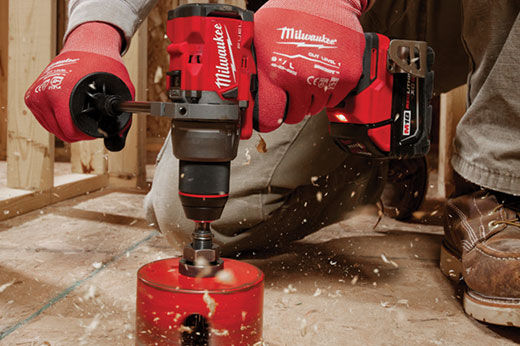
For a powerful brushless option, check out Milwaukee M18 Brushless 1/2 In. Compact Cordless Drill/Driver Kit.

Battery Efficiency & Runtime

Longer runtime and less downtime are the reason professionals choose drills with brushless motors. Because brushless motors waste less energy as less of it is converted to heat, battery life per charge lasts longer than in brushed motor drills. For contractors and frequent DIYers alike, brushless motors maximize efficiency during longer work sessions or when performing multiple tasks without the need to swap or recharge batteries.

Heat/Overheating

The heat generated by brushed motors requires a bulkier tool footprint to account for passive venting. As the brushes generate heat through friction, they also burn out faster and produce less energy that translates into power for the tool. Brushless tools, on the other hand, stay cooler even during prolonged use.

Durability & Lifespan

Durability and tool lifespan are major factors when choosing a brushed vs. brushless drill. Because they have consumable parts, brushed motors wear out faster, and their brushes need to be replaced. For the occasional user, the lower up-front cost of a brushed motor drill may be a worthwhile trade-off, but for users with more demanding tasks, a brushless motor drill, which has no parts to replace, a longer lifespan, and less risk of tool failure, may be more cost-effective in the long run.

Size & Handling

The relatively larger, bulkier size and heavier weight of a brushed motor tool may be fine for a weekend DIY user with just a few holes to drill or fasteners to drive. But for getting into tight spaces, completing repetitive tasks, or drilling into materials that require more torque, the lighter weight and more maneuverable brushless motor drill is the better choice.

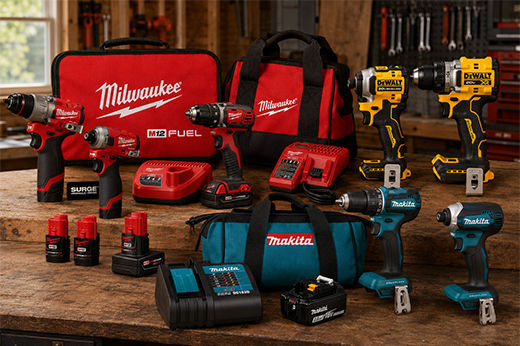
The ergonomic Makita 18V LXT Lithium-Ion 1/2 In. Brushless Cordless Drill/Driver Kit delivers performance and power needed for pro-grade projects.

Maintenance Requirements

Tool maintenance is another factor to consider when deciding between brushed or brushless motor drills. Brushless motors, without consumable parts, require virtually no maintenance. But brushed tools will need to have their brushes replaced over the lifespan of the tool, and debris may need to be cleaned out of the motor vents to ensure safe and reliable operation.

Cost Differences 

Aside from motor technology, price may be the most obvious difference between brushed and brushless motor drills. With their lower up-front cost, brushed motor drills appeal to first-time tool buyers who need to maximize their tool budgets. When considering a brushed motor drill, weigh the cost of replacing brushes over the life of the tool, or the potential for tool failure and a need to replace the drill sooner. Brushless motor drills may require more investment up front, but they have longer lifespans that result in fewer replacements along with more power and better performance.

Looking for a less expensive option for a first drill? For an entry-level brushless tool, check out the Senix X2 20 Volt Max Brushless 1/2 In. Cordless Drill/Driver

For a budget-friendly brushed motor drill, consider the Genesis 20V 1/2 In. Cordless Drill/Driver Kit.

When You Should Choose a Brushed Drill

While maintenance-free brushless drills offer many benefits such as more power, longer lifespan, and more efficiency, a brushed motor drill may be the right choice for occasional users with basic household tasks. Less expensive brushed motor drills are also a good choice as a backup drill or a secondary tool that can step in while the main tool’s battery is charging. 

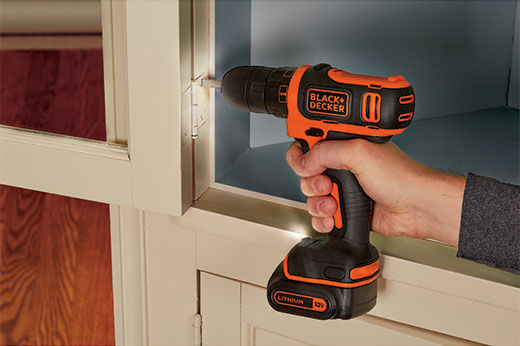
Users in these situations or who are on a tight budget and need to stretch their dollars should check out the Black & Decker 20V MAX 3/8 In. Cordless Drill/Driver Kit.

When You Should Choose a Brushless Drill 

Need a tool for daily use or professional jobs? When you’re taking on automotive, mechanical, and trade work where every minute counts or need more torque for high-volume drilling into dense, hard materials, the downtime of a less powerful tool is not an option. Invest in a brushless drill to maximize efficiency and reliability for more demanding projects.

For a durable, virtually maintenance-free drill you can rely on during long work sessions, check out the DEWALT 20V MAX Brushless 1/2 In. Compact Cordless Drill/Driver Kit.

Choose the Right Drill for Your Projects and Budget

When choosing between brushless and brushed motor drills, consider more than just up-front cost. While budget is an important factor, weigh it against the performance and power demands of your projects and the lifespan of the tool to be sure you’re buying the right drill for your needs.

Invest in a brushless motor drill when you need higher performance and more efficiency for tough or repetitive tasks. Choose a brushed motor drill for occasional, lighter-duty use and when budget is the number one consideration.

Whatever your budget and project needs, browse quality brushed and brushless motor cordless drills from top brands at Do it Best. Get home delivery or same day pick-up at a Do it Best store near you.

test

Die Grinders vs Angle Grinders: Which Tool Do You Need?

Not sure whether you need a die grinder or angle grinder? This guide compares advantages, use cases, power, and more to help you choose the right tool.

Learn more
test

The 7 Best Cordless Drills for Mechanics & Automotive Work

Looking for a new cordless drill for mechanic and automotive work? Find our top seven drill and impact driver picks based on power/speed and precision.

Learn more
test

7 Best Cordless Drills & Drivers Under $150

Shopping for a drill on a budget? This guide showcases the best cordless drills and drivers around $150 that deliver value and reliability for beginners.

Learn more
test

Impact Drivers vs. Drills: Which is Right for Your Project?

Not sure whether to buy an impact driver or a drill? Discover the differences, advantages, and ideal use cases for both tools in this guide.

Learn more
test

How to Choose the Best Cordless Drill or Driver for Home Use

Need a drill for home projects? Learn how to choose the best cordless drill or driver based on power, battery, comfort, project needs, and more.

Learn more