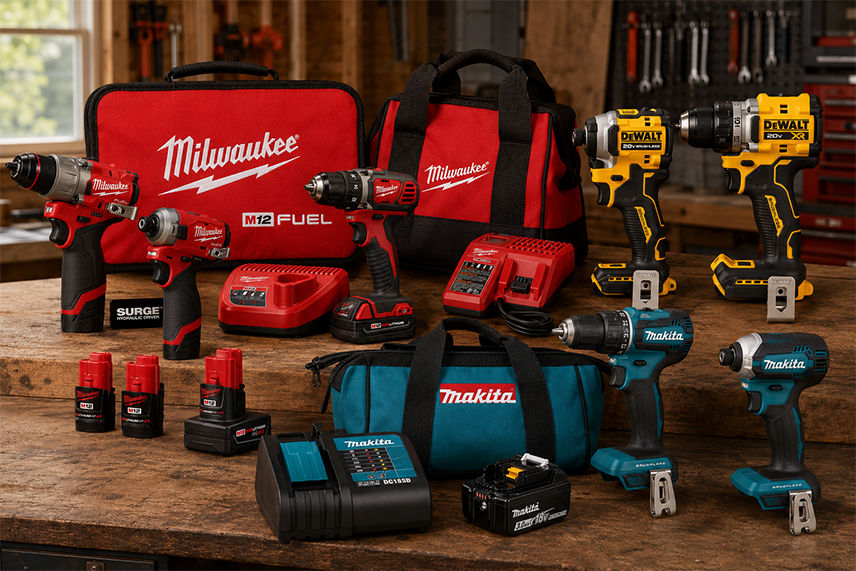
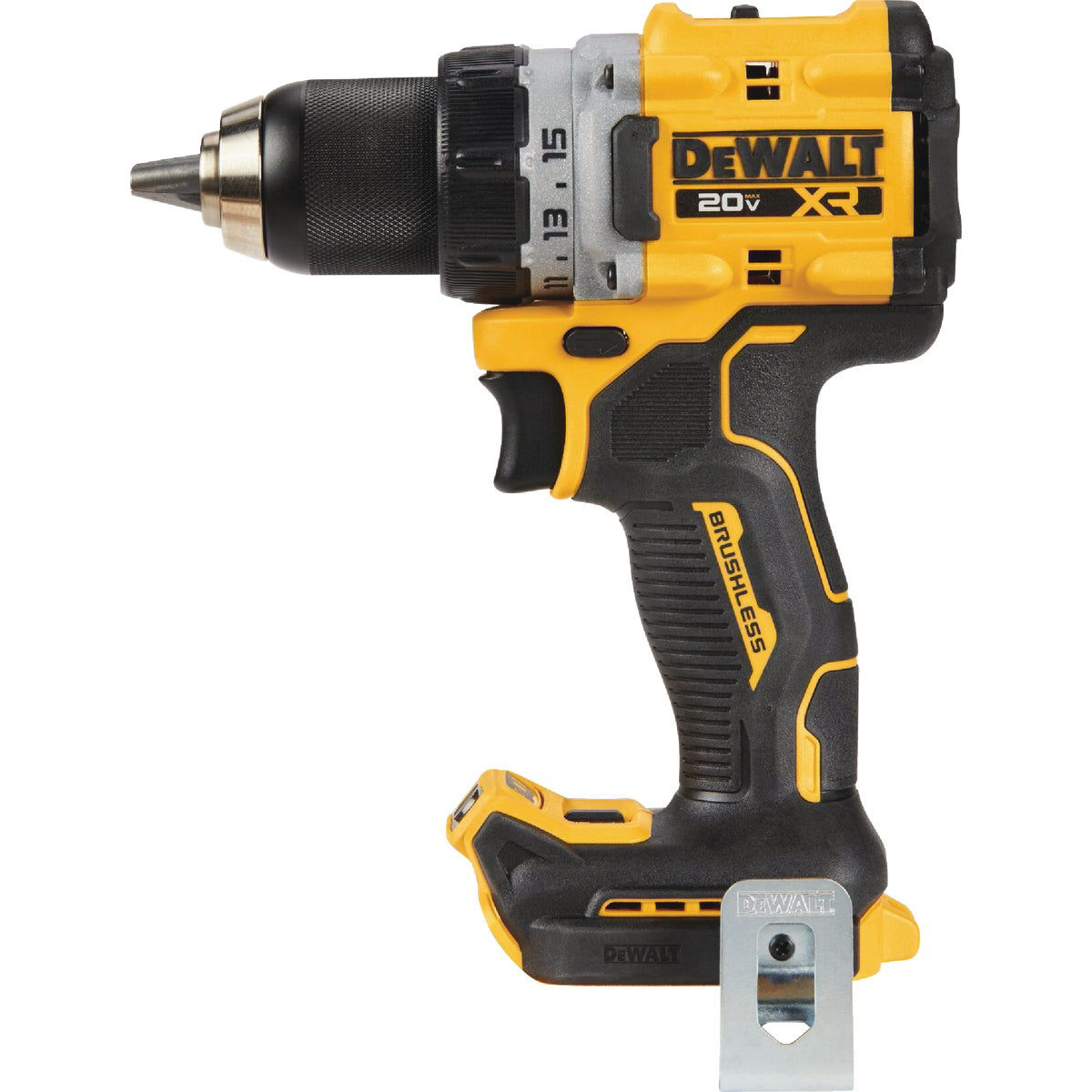
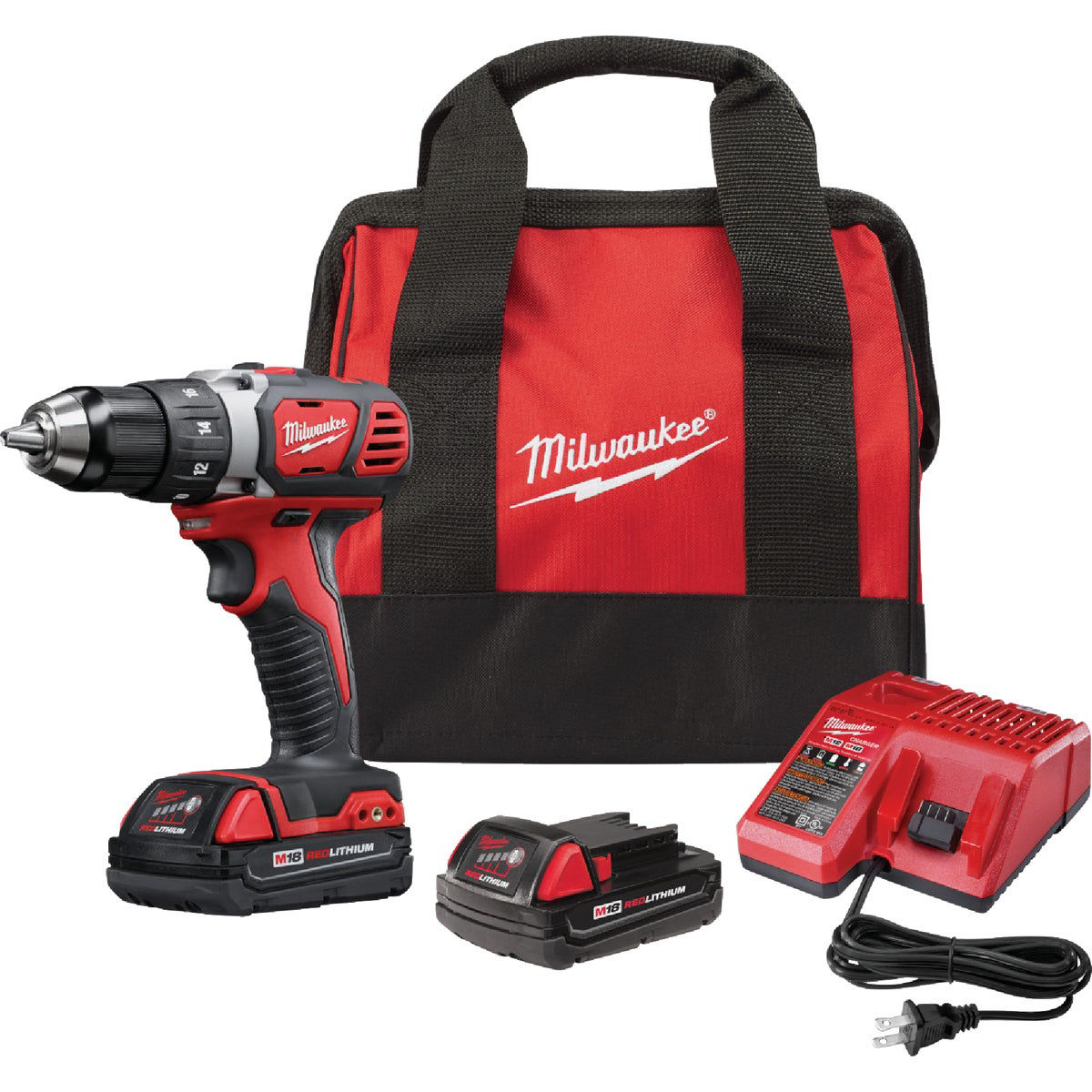
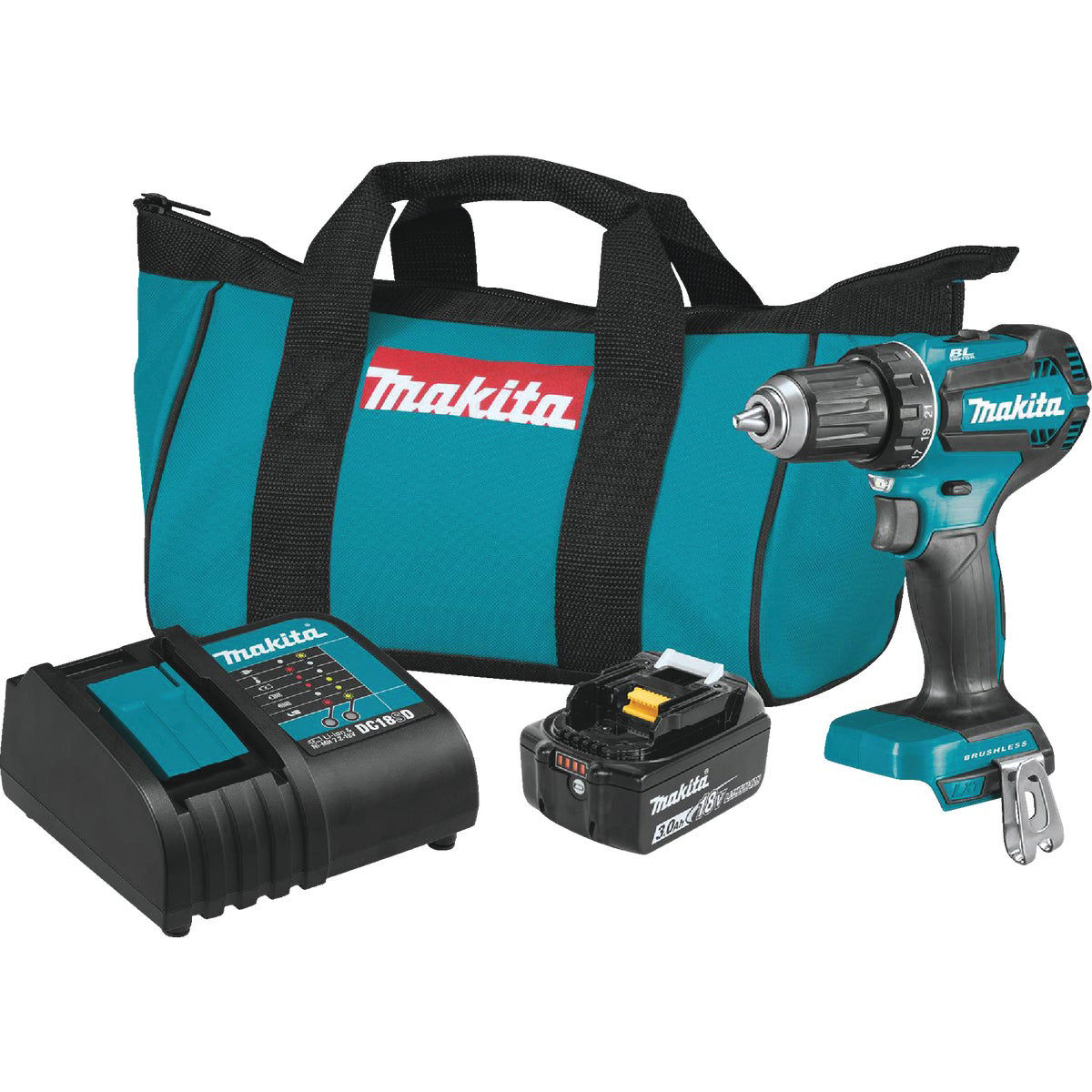
Choosing the Right Cordless Drill for Automotive Use
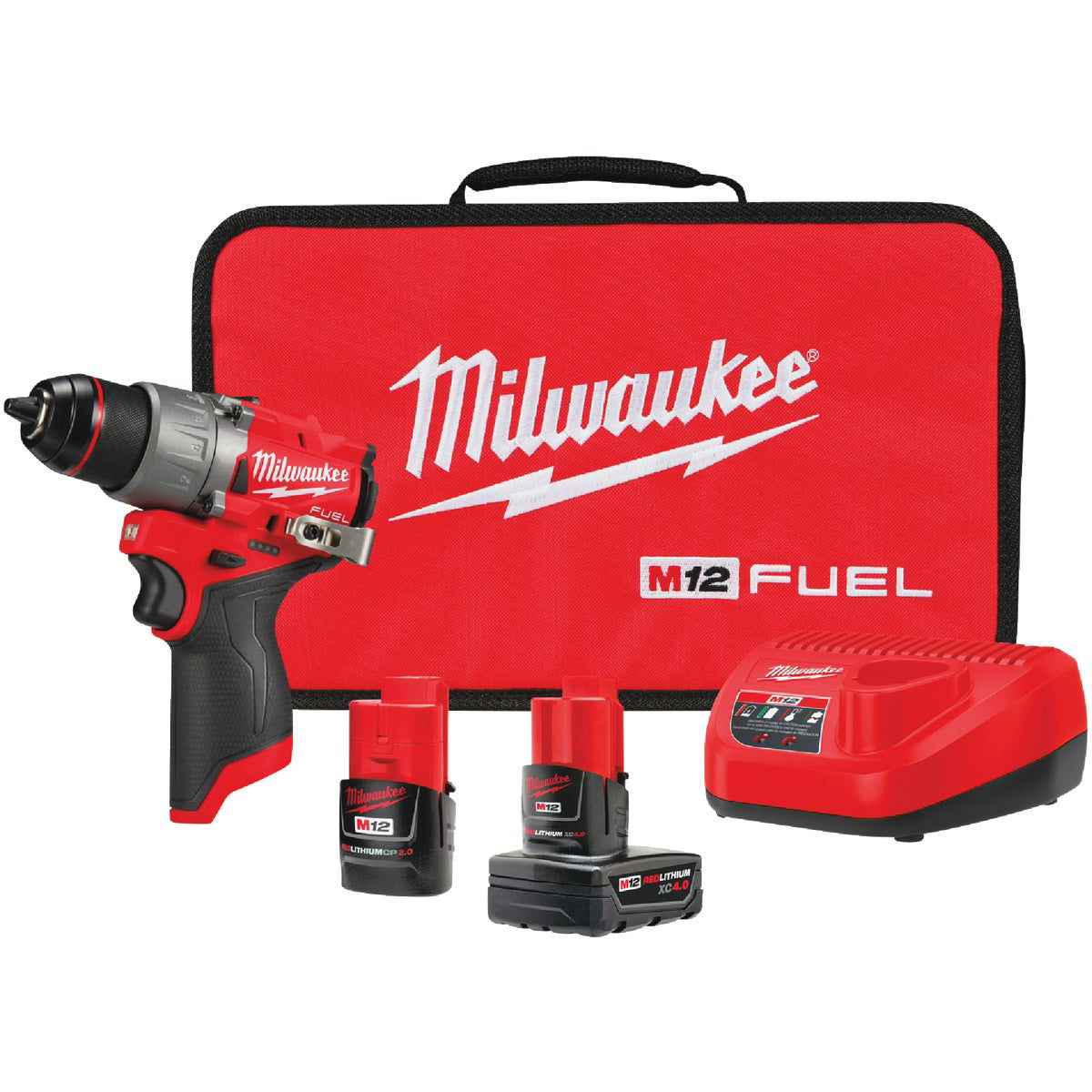
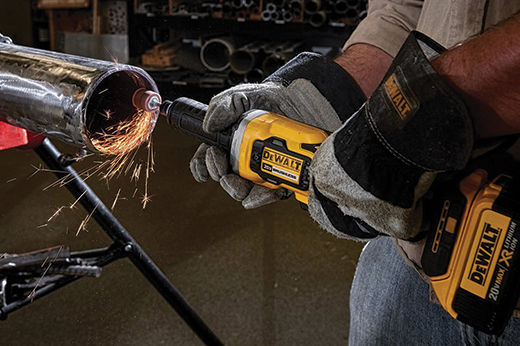
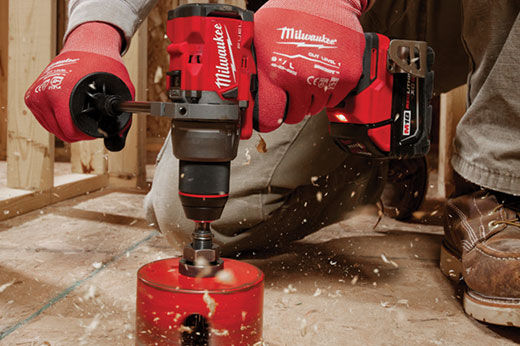
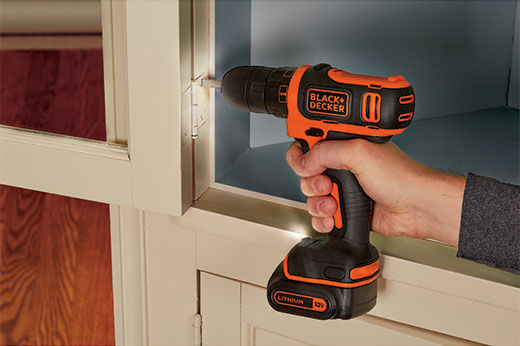
When you’re in the market for a new cordless drill for automotive work, the main factor to help guide you to the right tool is what type of work you do. If your tasks are primarily disassembly and tackling heavy-duty projects and rusted parts, look for a tool with more torque. For general repairs, choose a drill with a balance of power and control. For interior work, a compact model with good control and precision will enable you to maneuver in tight spaces.
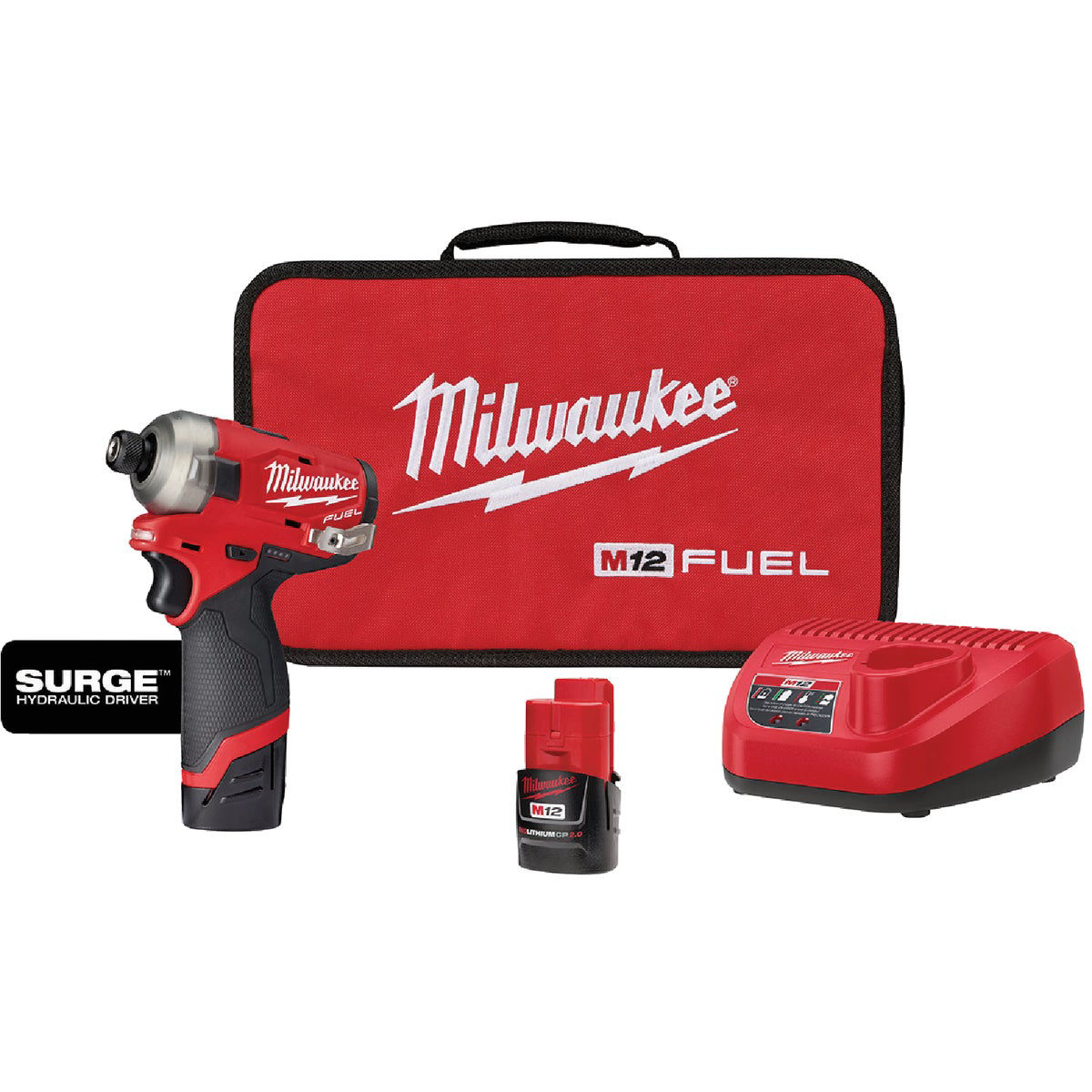
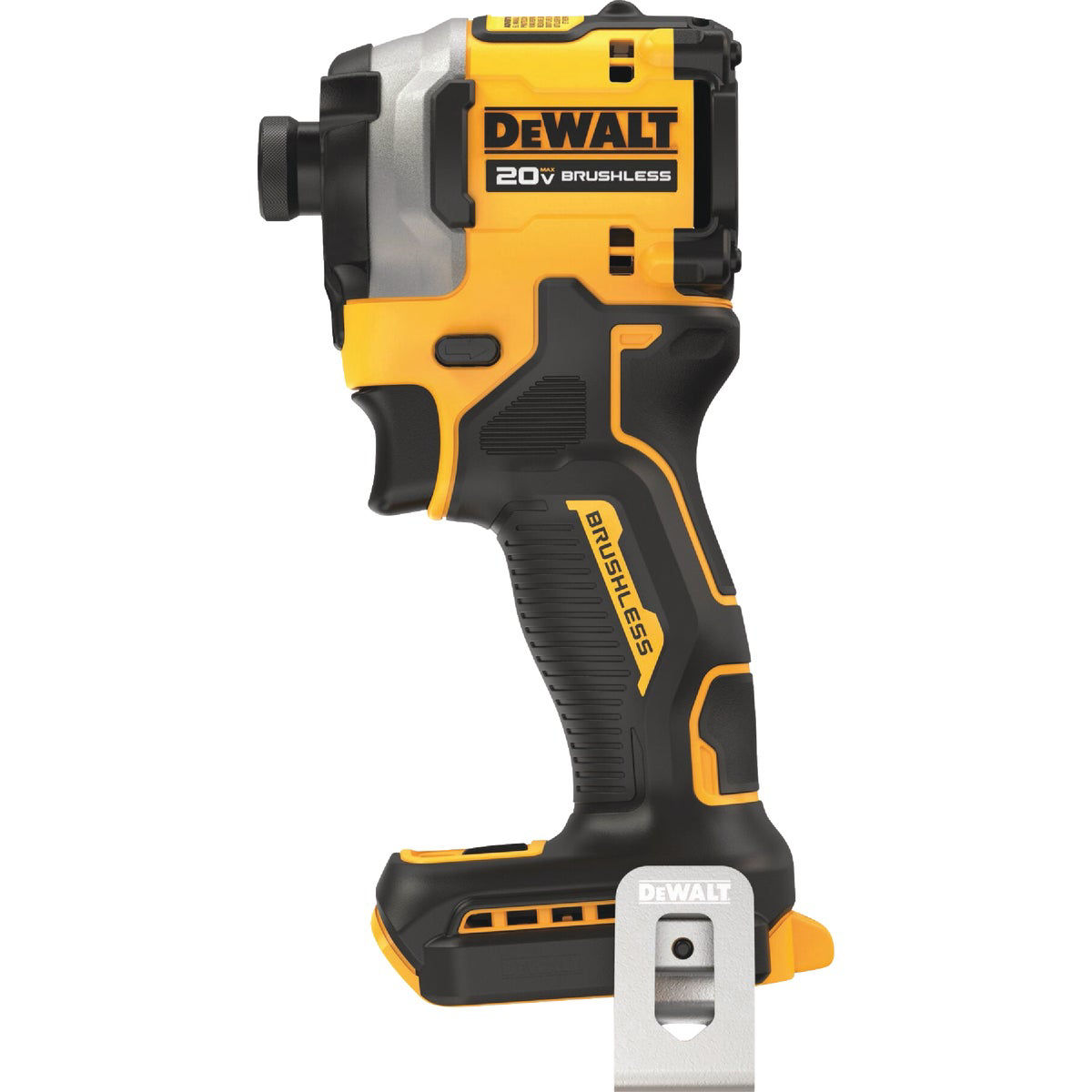
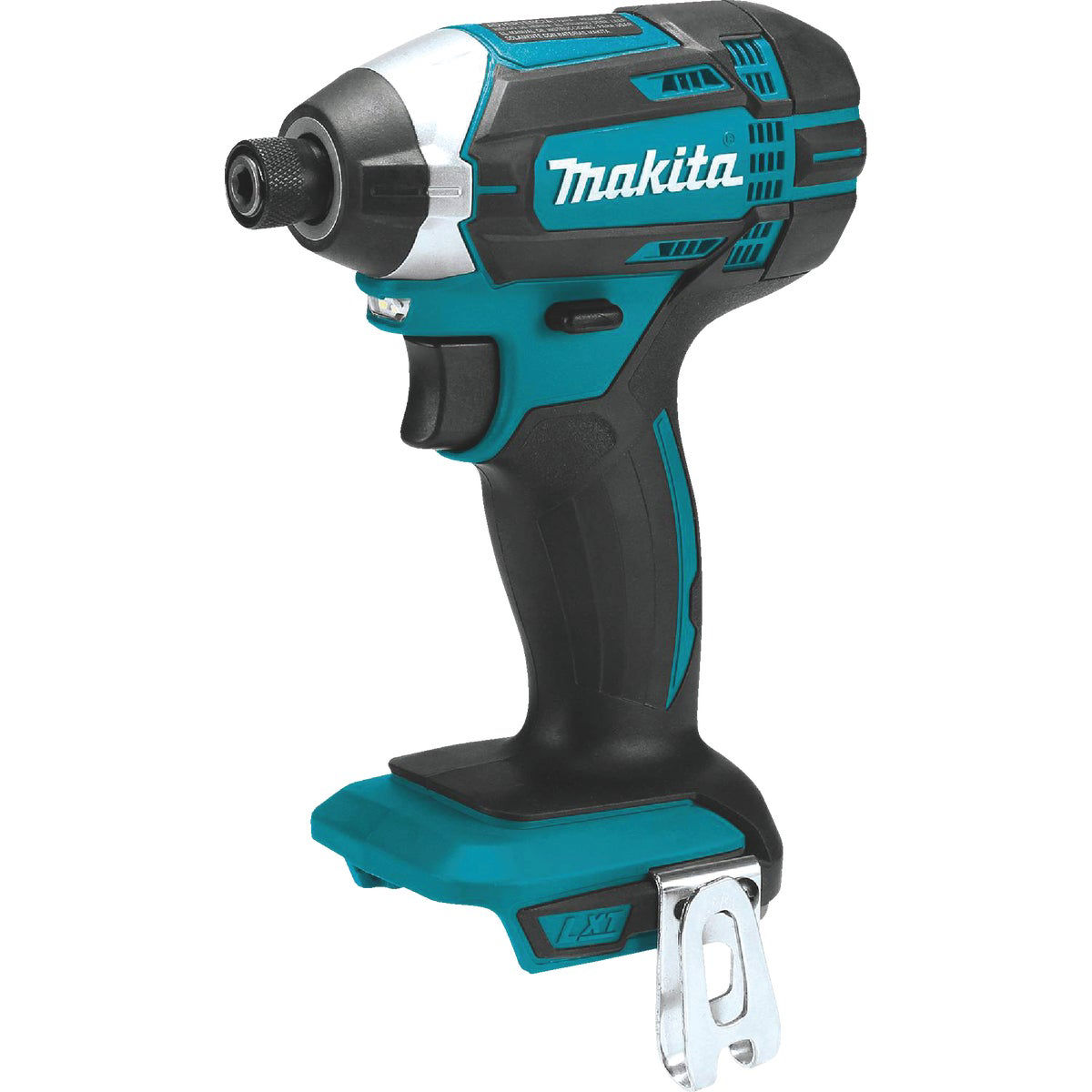
Most mechanics will need a primary drill for general drilling tasks and a secondary tool for jobs that require speed and access to tight spaces, but it is possible to get by with a compact single drill that performs both roles reasonably well. For tough jobs that require more power than either an impact driver or a drill can accomplish, consider an impact wrench for the most demanding disassembly work.
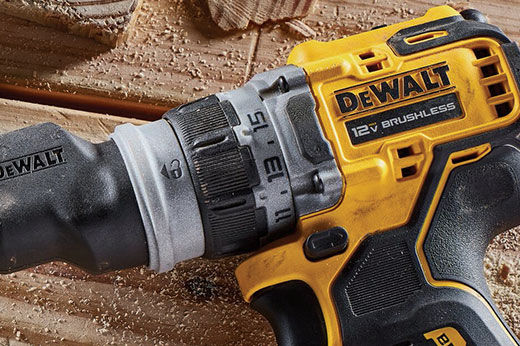
Another factor to consider is torque versus control. More power doesn’t necessarily mean a better tool for the job. Secondary drills with more control will help avoid stripping bolts and overdriving fasteners.
Finally, mechanics whose work demands extended sessions with a drill or driver should prioritize lighter-weight and more ergonomic designs to avoid fatigue. Heavier tools may offer more power, but when used beyond short periods, their vibration and aggressive operation can lead to discomfort.