
Table of Contents:
Key Differences of Detail Sander vs. Orbital Sander
Which One Should You Choose?
Final Recommendation
Do it Best’s Top Picks:
Table of Contents:
Key Differences of Detail Sander vs. Orbital Sander
Which One Should You Choose?
Final Recommendation
Do it Best’s Top Picks:
Choosing the right sander can save time and improve your project’s final finish. Orbital and detail sanders both sand and smooth wood, but we’ll help you understand the differences between them so you can determine if a detail or orbital sander is right for you.
| Detail Sander | Orbital Sander |
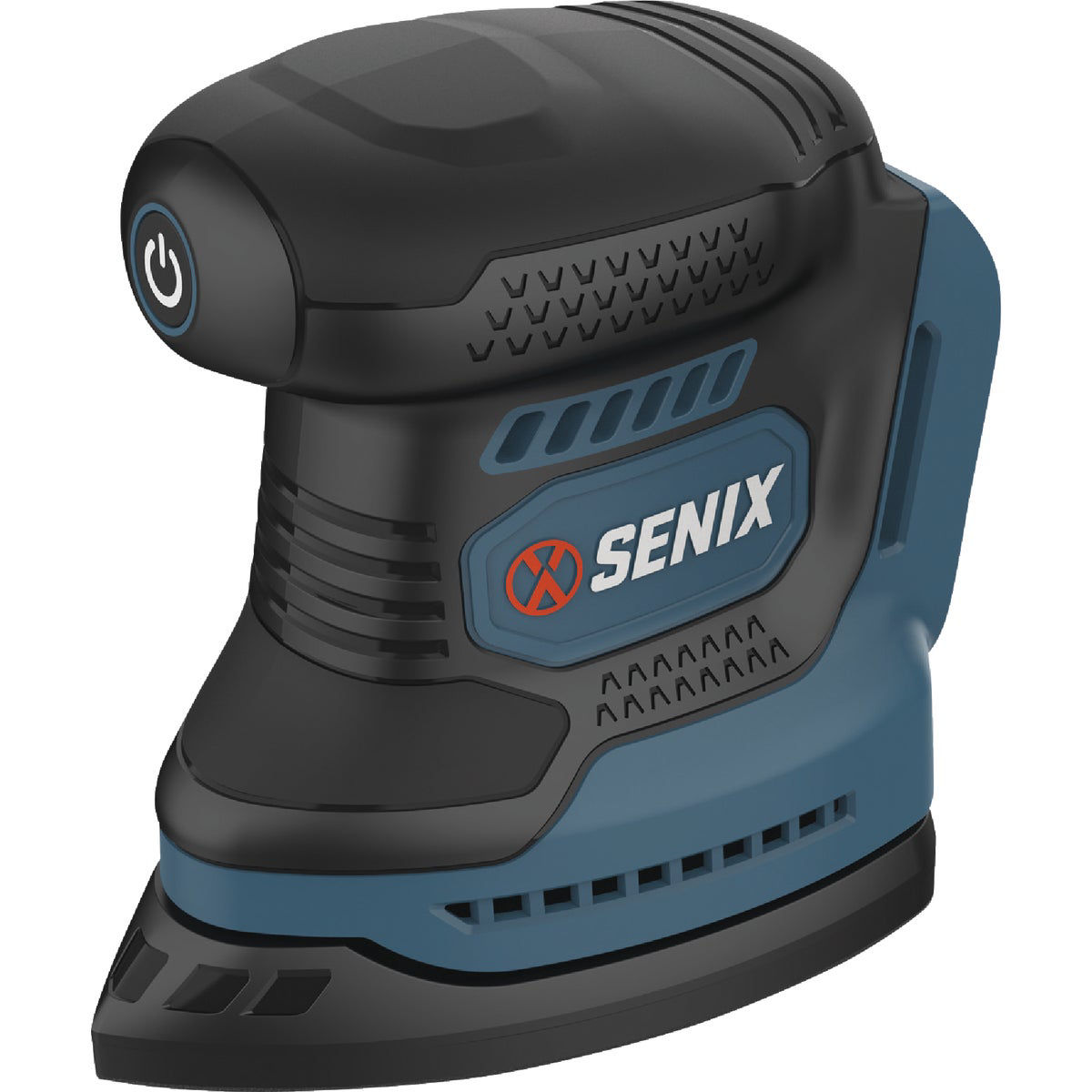 | 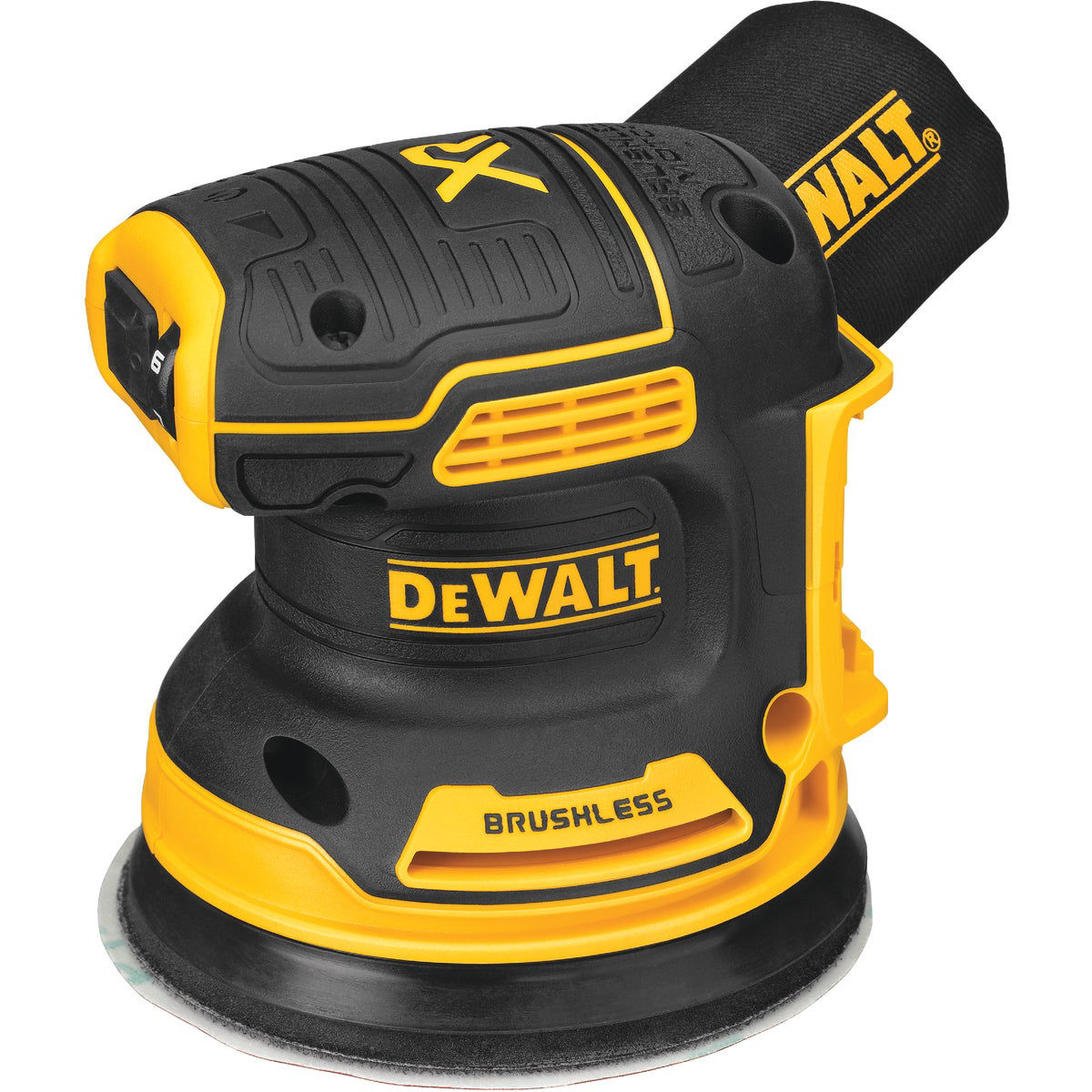 | |
| Pad Shape | Triangle sanding pad | Round sanding pad |
| Surface Area | Small and tight spaces | Large areas quickly |
| Finish Type | Small areas with precision | Smooth, swirl-free finish |
| Sanding Motion | Linear motion | Random orbits |
| Best Use Case | Trim, joints, carvings, tight corners | Shelves, panels, and tables |
| Speed vs Control | Precise sanding and lighter weight. Less aggressive with easier control. | Speed and surface coverage. More aggressive but slightly heavier to control. |
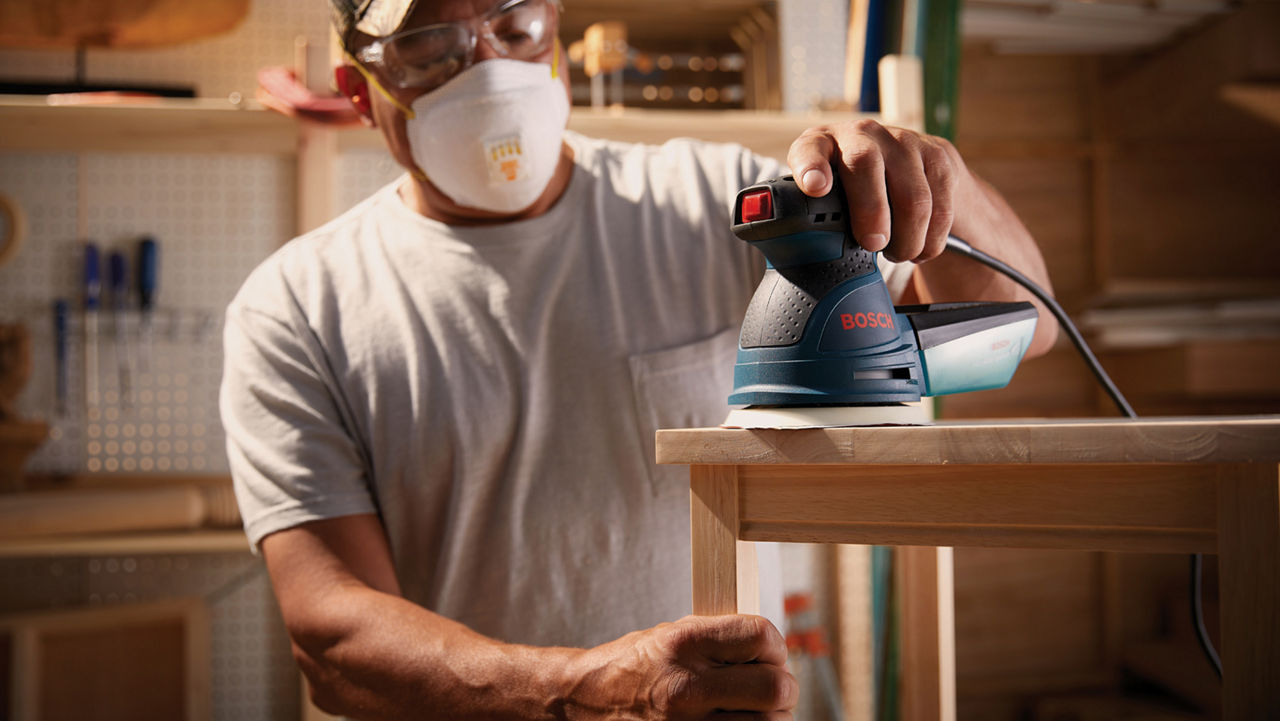
When deciding between a detail sander vs. random orbit sander, consider the task and match the tool to the job.
If you are sanding:
A table, shelf, or cabinet face: Orbital
Corners, trim, or curved edges: Detail
Furniture for refinishing: Orbital or both
Multiple items and surfaces: Orbital - more versatile for most jobs
The main difference between detail and orbital sanders lies in surface coverage. Orbital sanders are better for covering wide, flat surfaces quickly and evenly. Detail sanders are better for precise work in corners, curves, and carvings. Many woodworking or furniture projects benefit from using both.
Browse our full selection of sanders and sanding accessories, and find the one that fits your next project.
Can I use a detail sander for an entire furniture project?
You could, but it would take much longer. Detail sanders are designed for precision in corners and edges, not for covering large surfaces efficiently.
Do orbital sanders work well on curved surfaces?
Yes, orbital sanders can handle slightly curved surfaces, but they’re less effective on intricate curves or carved edges where a detail sander excels.
Can I use the same sandpaper for both detail and orbital sanders?
No, the pad shapes are different. Detail sanders use triangle-shaped sheets, while orbital sanders use round hook-and-loop discs.
Do I need both a detail sander and an orbital sander?
Not always, but many woodworkers find having both saves time and gives them flexibility. The orbital handles bulk sanding, while the detail sander takes care of the tricky spots.
Not sure whether you need a die grinder or angle grinder? This guide compares advantages, use cases, power, and more to help you choose the right tool.
Learn more
Discover the best cordless drill and drill/driver sets for every type of user, from first-time homeowners to experienced contractors. This guide breaks down top-rated kits by performance, value, and intended use to help you find the right tool set for your next DIY or professional project.
Learn more
Skip the neckties and get that special man in your life something he'll love!
Learn more
Learn the difference between brushed and brushless drill motors, including power, battery life, durability, and cost. This guide helps you choose the right drill for your projects, whether you need a basic DIY tool or a high-performance option for tougher jobs.
Learn more
Looking for a new cordless drill for mechanic and automotive work? Find our top seven drill and impact driver picks based on power/speed and precision.
Learn more