Rock Salt vs. Ice Melt: What’s the Difference?

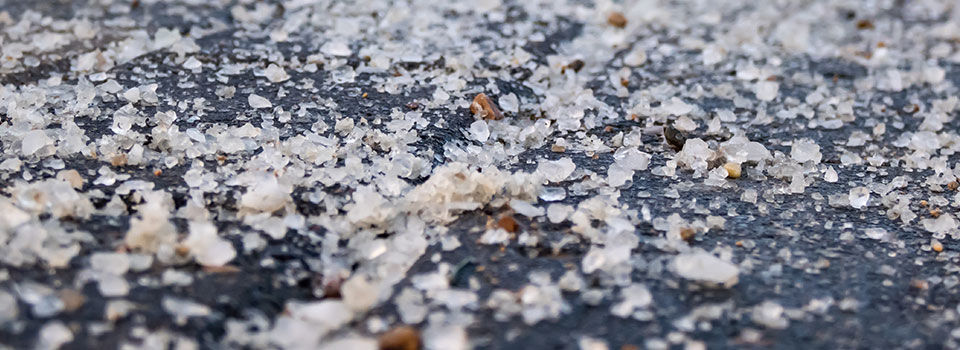
Macro shot of salt grains on icy sidewalk surface in the winter

Before winter arrives with its cold temperatures, snowfall, freezing rain, and icy conditions, a handy supply of the right snow and ice removal products can help protect your property from slip and fall risks. Whether you choose rock salt or ice melt, two de-icers that function similarly but have important differences, depends on your weather conditions and temperature, the type of surface you’ll apply it to, whether you have pets or sensitive landscaping, and your budget.

In this guide, we’ll compare these two commonly confused products to help you determine which is right for you.

Rock Salt vs. Ice Melt at a Glance

Rock salt and ice melt function similarly. On a chemical level, both products lower the freezing temperature of water to help melt ice and prevent new icy surfaces from forming. But their chemical makeup and applications differ in important ways.

Rock salt, made up of sodium chloride and also known as halite, is the same chemical formula as table salt, but without impurities removed. It is the traditional choice for de-icing driveways, sidewalks, and roads. Ice melt comprises a broader category of chemicals that may include a blend of sodium chloride, calcium chloride, magnesium chloride, calcium magnesium acetate (CMA).

Rock salt is usually less expensive than ice melt and more readily available during winter. However, ice melt usually works faster, and it’s effective at lower temperatures. Here’s a breakdown:

Product TypeEffective Minimum Temperature RangeMelting SpeedSurface ImpactCost
Rock Salt
(sodium chloride)
15°F to 20°FSlowerCorrosive to concrete and damaging to plantsLess expensive
Ice Melt-25°F to -13°FFasterSome formulas less damaging to surfaces and plantsMore expensive


What Are the Pros and Cons of Using Rock Salt?

For moderate climates where the temperature rarely drops below 15 degrees, rock salt is an effective solution for large surfaces, especially where budget is a priority. But for unpredictable extreme weather or where pets or landscaping might be affected, sodium chloride may not be the right choice.

Pros of Rock Salt

Sodium chloride–based de-icer, aka rock salt, has the following benefits:

  • Cost-effective: Usually the least expensive product for de-icing large areas
  • Widely available: Found in multiple bag sizes to suit most properties and applications
  • Best for moderate temperatures: Effective around 15°F and above

Cons of Rock Salt

Rock salt may not be the ideal choice for:

  • Very cold conditions: Loses effectiveness below 15°F and as high as 20°F
  • Contact with concrete and metal surfaces: Repeated or prolonged use may damage concrete and contribute to metal corrosion
  • Pets: Risks direct contact with pets’ sensitive paws and potential ingestion
  • Lawns and landscaping: Runoff during snowmelt can damage grass and plantings  

What Are the Pros and Cons of Using Ice Melt?

Ice melt will help de-ice in colder climates, where temperatures fall below 15°F, with some products working in conditions as low as -25°F. While it works faster, it generally costs more and may be less widely available depending on manufacturers’ access to materials.

Pros of Ice Melt

Ice melt is the best choice for colder climates, and it has additional benefits:

  • Faster acting: Some ice melt products release heat in a chemical reaction with water, working faster at de-icing than rock salt, which absorbs heat from the surrounding environment.
  • Gentler on concrete, pets, and plants: Some ice melt products are specially formulated to cause less damage to surfaces and plants. Acetate-based products are formulated to be safer for pets’ paws.

Cons of Ice Melt

While ice melt works faster than traditional rock salt, it has a few drawbacks:

  • Cost: Ice melt’s relatively pricier or scarcer ingredients mean it generally costs more than standard rock salt.
  • Still requires careful application: Even specialty formulas that promise to be safer for concrete, landscaping, and animals must be used sparingly.
  • Varying effectiveness in low temperatures: Not all ice melt formulas work the same, so be sure to read labels before buying to ensure the right product for your climate.

For more information on ice melt, read Ice Melt 101: Everything You Need to Know.

Ice Melt vs. Rock Salt on Concrete

The idea that ice melt is harmless to concrete compared with rock salt is a myth. In fact, any de-icer that contains chloride can damage concrete over time. 

Because rock salt is chloride-based, it can be especially harsh on concrete with repeated and prolonged use over multiple freeze-thaw cycles. However, magnesium chloride and CMA may be gentler on concrete surfaces when used correctly.

In all cases, using as little product as possible lessens the environmental impact. To reduce damage to concrete, landscaping, and metal surfaces, first remove as much snow as you can before applying the de-icer. Apply the minimum amount you need to melt ice, and then sweep away any excess product. Avoid sweeping into planting beds or onto delicate landscaped areas.

Ice Melt vs. Rock Salt for Pets and Landscaping

Man with a dog by a house near a driveway with snow

Similar to its effects on concrete, any de-icer may harm plants and animals when not used correctly. Ice melt products labeled pet-friendly or plant-friendly still require careful application to avoid risk of skin contact, ingestion, or runoff.

Pet Safety

Any de-icing product you use has the potential to irritate pets’ sensitive paws. While some ice melt products may be gentler, they are not completely without risks. De-icers, especially rock salt, irritates and dries out the skin on paw pads. When this irritation occurs, pets naturally lick their feet, ingesting de-icer after walking on treated surfaces.

To protect your pets from ingestion or skin irritation, wipe their paws after pets come inside, and be sure to store products securely, away from curious cats and dogs.

Landscaping

As with pets, any de-icer can damage grass, plant roots, and soil when runoff occurs and too much product is applied. Sodium chloride and any chloride-based formula is generally more damaging to landscaping than acetate-based options. Choosing a lower chloride product may help reduce damage to plantings.

No matter which de-icer you choose, avoid applying it too heavily to areas near lawns, trees, and garden beds. Use only what is needed to be effective, and be sure to sweep up any excess product to reduce runoff around sensitive garden beds when snowmelt occurs.

When Should You Use Rock Salt vs. Ice Melt?

When temperatures are moderate (above 15°F) and when lower cost is your top priority, choose rock salt. During cold snaps or when faster melting is needed, use de-icers formulated with calcium chloride or magnesium chloride.

For areas with decorative concrete, sensitive landscaping, or pets that spend time outdoors, opt for specially formulated, gentler products. Remember to avoid overapplication, and use commonsense approaches to limiting pets’ exposure to any de-icer.

Choose a blended product made with sodium chloride and other chemicals for a balance of ice-melting performance and price.

How to Apply Rock Salt and Ice Melt Effectively

Both ice melt and rock salt require a few steps to prepare surfaces before the products can de-ice effectively:

  1. Remove as much snow as you can before applying any de-icing product. The goal is for the rock salt or ice melt to reach the ice directly without having to melt layers of loose snow to reach it.
  2. Spread a thin, even layer, following any application instructions on the product label. Avoid applying too much product to reduce any potential damage to concrete, landscaping. Focus on areas where slips and falls are most likely: steps, slopes, and shaded walkways, and anywhere with low visibility at night.
  3. After the ice has melted, sweep away and remove any leftover product to avoid prolonged contact with sensitive surfaces and to reduce the risk of runoff.  

Choose the Right Snow/Ice Melt Product for Your Property

Now that you know the benefits of rock salt versus ice melt, you can choose the right de-icer for your property. Always consider the expected temperature and winter conditions first. Are you purchasing for the whole season or for a cold snap with record low temps? Check the label of any product to ensure it will be effective at that temperature.

Also, look at the surface type you’ll be treating: concrete, asphalt, or stone pavers? Opt for the product that will preserve them or at least pose the least risk.

Take a closer look at the ingredients list rather than relying on the brand or product name alone to indicate the chemical makeup. For areas that pets frequent or that have delicate landscaping or plantings, consider gentler product formulations, such as CMA. If cost is the main concern, choose a de-icer that will best fit your budget.

Long before winter storms hit, prepare for the season ahead and shop ice and snow melt products online or visit a local Do it Best store.

If you’re in need of more essential winter tools, see all of our snow removal products, including shovels and pushers, ice scrapers, and more.

test

Best Ice Melt for Driveways, Sidewalks, and Steps

Find the right ice melt for your driveway, sidewalk, or steps based on temperature, surface type, pets, and winter conditions.

Learn more
test

How to Keep Your Pipes from Freezing

Seven simple tips to avoid plumbing damage as the temperature begins to drop

Learn more
test

How Do I Fix Bad Drainage in My Yard?

Use these tips to help keep your lawn dry and prevent flooding

Learn more
test

Seven Fireplace Safety Tips

Protect your home and maintain a safe chimney and hearth area

Learn more
test

Extension Cord Safety

Learn the simple dos and don’ts for powering your home safely

Learn more