What to Do If Your Snow Blower Engine Is Flooded
Strong gas fumes are the most obvious sign of a flooded engine. If you’ve overprimed the engine or tried to start the snow blower too many times, too much gasoline can flood the engine and prevent it from starting.
Your manual can provide the best guidance for how to troubleshoot a flooded engine in your specific snow blower, but in general, you’ll have to wait at least fifteen minutes before attempting to restart, and you will use the recoil to pull excess gasoline out of the engine.
What If Your Snow Blower Still Won't Start?
After you’ve tried everything here, comb through your owner’s manual for your machine’s model-specific troubleshooting instructions. It will also include a list of maintenance steps and when they need to be done. If your snow blower is overdue for maintenance or wasn’t stored properly over the summer, you may need to change the oil or perform other maintenance tasks before it will start.
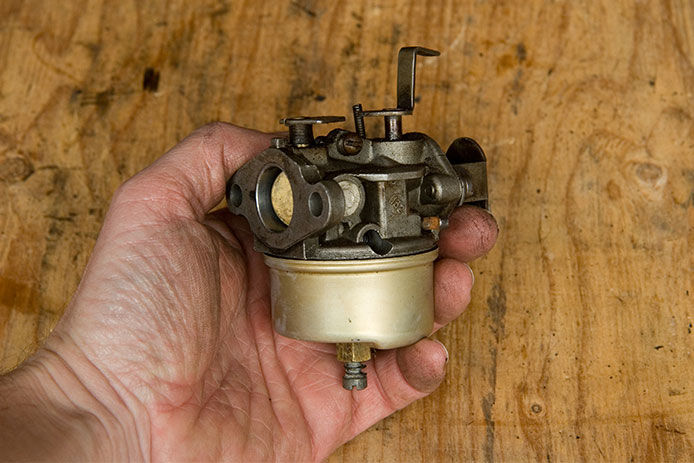
If you see fuel leaks, hear strange noises, or smell smoke coming from your snow blower, don’t attempt to start it again. These are all signs of a potentially serious—and dangerous—problem. When these occur or if you’ve diagnosed the issue and it involves the internal engine, carburetor, or ignition, take your machine to a qualified service professional.
Preventing Snow Blower Problems in the Future
A nonoperational snow blower is very frustrating, but the good news is, you can avoid the inconvenience in the future. Check your manual and follow the maintenance recommendations for your specific snow blower. With the right oil, clean spark plugs, working belts, batteries, and other serviceable components, you can rely on your snow blower for years to come.
Before the next major winter storm comes, test your snow blower to make sure it’s working. And when the snow season is over, prep your machine for storage.
Get Your Snow Blower Running Again
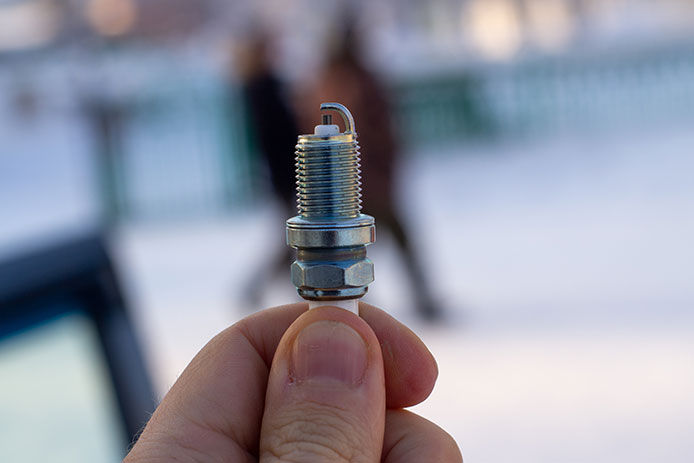
Most snow blower problems can be fixed with simple tweaks. By double-checking the fuel, spark plug, and engine controls and by starting your machine correctly, your snow blower can be back up and running to clear snow quickly.
And to prevent future issues, be sure to store your snow blower properly and prep it for the offseason.
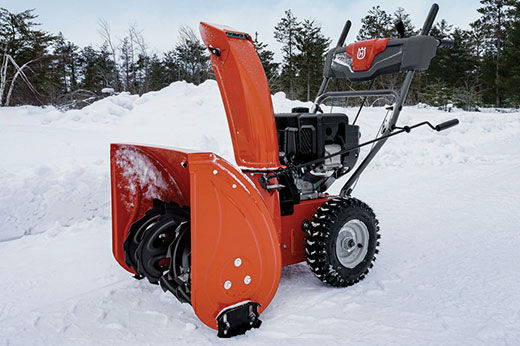
Snow blowers are must-have winter tools for climates that get heavy snowfall. When it’s time for a replacement, shop snow blowers and accessories online at Do it Best or at a local Do it Best store. You can use our Snow Blower Buying Guide for guidance on making a purchase.