How to Ensure a Faucet Will Fit Your Kitchen or Bathroom Sink

Kitchen Sink Faucet

Whether you need to replace an old faucet or are planning a DIY kitchen or bathroom remodeling project, choosing a faucet can be tricky. They may look similar, but not all faucets will fit every sink or countertop.

Before you buy, checking a number of specifications on your existing sink will save you valuable time and help avoid frustrating or unsuccessful installations. Be sure any faucet you want to install matches the number of mounting holes, spacing, plumbing connections, and height and depth clearance of your existing sink and countertop. Measuring for a bathroom or kitchen sink is similar, but note that features and configurations for faucets differ, such as high arc, centerset, and widespread designs.

Steps to Measure Your Sink for a New Faucet

  1. Determine how many faucet holes you have.
  2. Measure the faucet hole spacing from center to center.
  3. Measure available clearance behind and above the faucet.
  4. Check that the spout will reach appropriately into the basin.
  5. Check the space underneath the sink for mounting hardware and pull-down hoses.
  6. Measure the sink or countertop deck thickness (if necessary).
  7. Compare everything with the manufacturer's faucet specifications before purchasing and installing.

More information on completing these steps can be found below.

Check How Many Faucet Holes You Have

Faucets require one to four mounting holes for installation. Most bathroom faucets usually have two or three holes, while kitchen faucets vary from simple designs with a single hole and lever, to less common four-hole configurations that include separate in-counter soap dispensers.

Measure the Faucet Hole Spacing

Once you’ve determined how many mounting holes the sink has, you’ll need to measure the hole spacing to ensure the faucet fits your existing sink’s configuration.

In most cases, you can measure with your existing faucet in place, but for new sinks, measure from the center of each hole to the next hole center. Measure common three-hole configurations with a center faucet and a handle on each side by starting the tape measure from the center of one sink handle to the other. For the center faucet measurement, start from the center of one handle to the center of the faucet.

This will help you determine whether you need a centerset or widespread faucet. A centerset faucet typically requires holes spaced 4 inches apart, and a widespread faucet usually requires holes spaced 8-16 inches apart. 

Compare the measurements with the specifications of any faucet before buying to avoid issues during the installation process.

Check Faucet and Sink Clearance

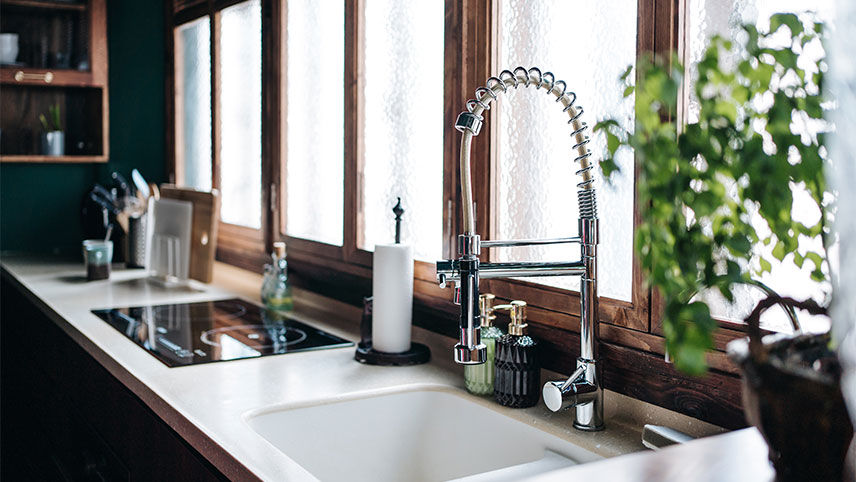
Check that the faucet handle has enough clearance to operate without bumping into the backsplash and walls. Measure the height between the sink top and any cabinet, windowsill, shelf, or mirror above so that the arc of any kitchen faucet will clear it.

Next, double-check that the faucet’s spout is long enough to reach into the basin with enough room behind the faucet for comfortable use. Pull-down or pull-out kitchen faucets need space underneath the sink for the hose to move, so ensure there is enough.

Determine Countertop Thickness

Most faucets fit standard countertop thickness, but in rare cases, as with thick or custom countertops, faucets may not fit correctly. Measure the vertical thickness of your countertop to ensure the faucet shanks are long enough to attach securely underneath.

Find a Faucet That Fits Your Sink at Do it Best

Once you’ve collected the measurements for your existing sink setup, you can narrow your options to find compatible kitchen faucets, bathroom faucets, and any necessary faucet accessories to complete your installation. Shop online or visit your local Do it Best store to find a wide selection of products that fit any budget.

Already purchased a new faucet? For next steps, see our guide: How to Install a Bathroom Faucet.

FAQs

Will any faucet fit any sink?

No. Different faucet designs require different hole configurations (one-, two-, three-, and four-hole) for installation. They also must not be too tall for cabinet clearance or too deep for levers to hit backsplashes and walls. The only exception is one-hole sinks can be installed where three-hole sinks were previously installed with a compatible deck plate.

What’s the difference between a centerset vs. widespread faucet?

The handle(s) and faucets of a centerset faucet are all in one piece, attached to an escutcheon or deck plate, while a widespread faucet design has the parts individually installed so they are spread across a wider area.

Can I drill additional faucet holes in my sink or countertop?

The ability to add faucet holes depends on the material, condition, and installation of your sink or countertop. Review the manufacturer's recommendations and consider consulting a qualified installer before making any modifications.

Do new faucets come with everything needed for installation?

Included parts can vary by faucet model. Check the product packaging and installation instructions to confirm what is included and whether any additional tools, supply lines, sealants, or accessories may be needed for your specific installation.

test

How to Decide Whether You Should Repair or Replace a Faucet

Knowing when to repair vs. replace a faucet comes down to identifying the problem, considering the faucet's age and overall condition, and recognizing if the same issues keep returning.

Learn more
test

How to Choose the Right Water Heater For Your Home

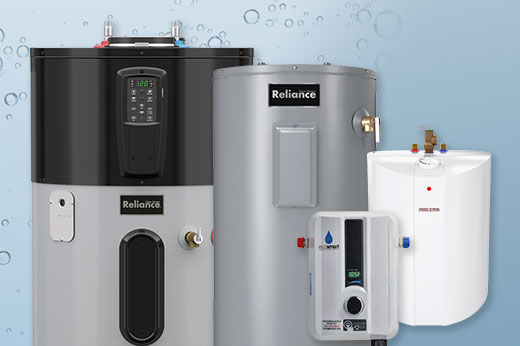
Choosing the right water heater can make a big difference in your home’s comfort, energy use, and utility costs. Learn how to compare water heater types, choose the right size and fuel source, and find a model that fits your household’s hot water needs, available space, and budget.

Learn more
test

Repairing vs. Replacing a Broken Water Heater

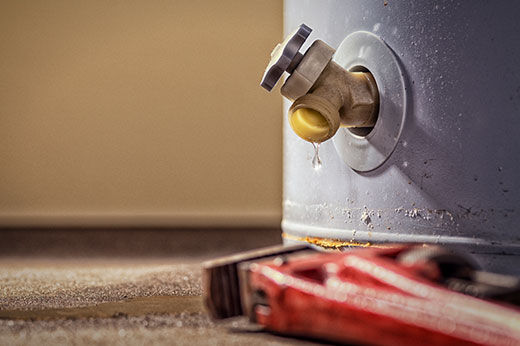
Learn how to spot common problems, when a repair may be enough, and when replacing your water heater could be the better long-term investment.

Learn more
test

How to Keep Your Pipes from Freezing

Seven simple tips to avoid plumbing damage as the temperature begins to drop

Learn more
test

How to Troubleshoot a Dishwasher

Easy DIY repair tips you can try before calling a professional

Learn more