How to Decide Whether You Should Repair or Replace a Faucet

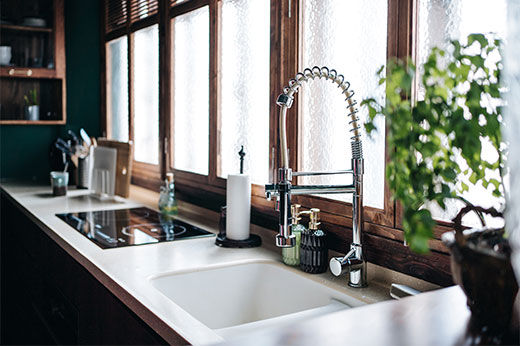
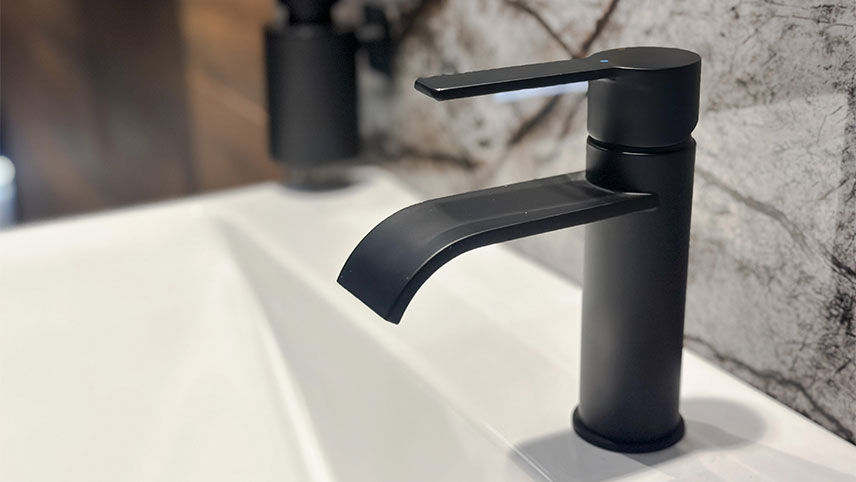
Matte black faucet

Over time, faucets can develop leaks, low water pressure, corrosion, and other problems that affect their performance. While many of these issues can be fixed with a simple repair or replacement part, others may indicate it's time for a new faucet. Knowing when to repair vs. replace a faucet comes down to identifying the problem, considering the faucet's age and overall condition, and recognizing if the same issues keep returning.

Repairing vs. Replacing Your Faucet Breakdown

Here’s a quick breakdown of common faucet problems and whether you should repair or replace based on the issue:

Faucet Problem

What It Means

Repair or Replace?

Dripping spout (leaky faucet)

Mineral buildup or worn O-ring

Repair (replace parts)/clean or replace if recurring

Low water flow

Mineral buildup on aerator

Repair/clean

Leak around handle

Worn cartridge

Repair

Loose or stiff handle or faucet

Worn cartridge, mineral buildup, loose set screw

Repair/clean

Sprayer problem

Worn diverter, mineral buildup

Repair/clean

Corrosion

Rust from mineral buildup over time

Replace

Cracked faucet

Old or worn/damaged

Replace

Loud squeaking noise

Friction from mineral buildup or worn washer

Repair/clean or replace if recurring

15+ years old

Faucet may have reached the end of its lifespan. More efficient models are available.

Replace

When to Repair Your Faucet

Common faucet problems usually call for fairly easy fixes:

  • Dripping or leaking faucet: Often caused by mineral buildup on the diverter or a worn O-ring (clean the diverter or replace O-ring, apply plumber’s grease)
  • Low water flow: Often caused by mineral buildup on the aerator (clean or replace aerator)
  • Leak around the handle: Worn cartridges are usually the culprit (replace cartridge)
  • Loose or stiff faucet or handle: A worn cartridge, mineral buildup, or a loose set screw can cause stiff or loose operation (clean parts and add plumber’s grease, replace the cartridge, or tighten the screw)
  • Sprayer problems: Worn diverters or mineral buildup can cause sprayer issues (clean buildup or replace diverter)
  • Loud squeaking or stiff operation: Noise caused by friction could mean mineral buildup or worn or loose parts (clean buildup, replace rubber washer, add plumber’s grease, or tighten parts)

When to Replace Your Faucet

When a faucet continues leaking and malfunctions often, or exhibits any of these symptoms, it’s likely time to replace the faucet instead of trying to repair it:

  • Significant corrosion: Caused by hard water mineral buildup over time, significant corrosion and rust are irreversible problems. If the corrosion is limited to an internal, replaceable part, you can replace the part. Otherwise, replace the whole faucet.
  • Cracked or damaged faucet: Cracked or damaged faucets require replacement to avoid costly leaks and damage to surrounding areas.
  • Recurring problems: Occasional repairs due to faucet wear and tear are expected, but consistent, recurring problems spell deeper issues.
  • 15+ years old with other problems: Most faucets last 15 years under normal conditions. Newer faucets use water more efficiently and may save you money in the long run.

Factors to Consider

Before you decide whether to try to repair the faucet or replace it, ask:

  • What is actually causing the problem? If you can’t identify it or don’t know where the leak is coming from, you may need to call in a plumber.
  • Does the problem mean the faucet has to be replaced or can it be repaired? Based on the information above, figure out whether your faucet issue can be repaired or if it needs a full replacement. If the problem has recurred multiple times, replacement may be your best option.
  • Is the faucet otherwise in good working condition? If the answer is no (corrosion, cracks, etc.), consider a replacement.
  • How many past repairs has the faucet needed? Every repair adds cost to your existing faucet, so if a part keeps failing, you may want to opt for replacing the faucet rather than repairing it again.
  • How much will the repair cost? Price out a repair vs. installing a completely new faucet. Consider whether you can DIY the repair/replacement, or if you’ll need to pay a plumber to fix the issue.
  • Can you complete the repair yourself? Repairing the faucet yourself may cost less up front, but if you are unsure which part is failing or suspect there may be a larger plumbing problem, it may be worth contacting a professional.

DIY vs. Professional Installation

For basic repairs or simple, straightforward installations, you may want to save money by buying the parts or new faucet and doing it yourself.

But even experienced DIYers may end up underwater with a complex plumbing problem. In that case, it’s time to call in the professionals if you experience any of these problems:

  • You can’t determine where a leak is coming from
  • The faucet itself isn’t leaking, but water is coming from the plumbing connections or underneath the sink
  • Shutoff valves are stuck, dripping, or damaged
  • Changes to existing plumbing are required for repairs or replacement
  • The problem recurs after replacing a failing part

Shop Faucets and Repair Parts at Do it Best

When you’re ready to shop for faucet repair parts, make note of the faucet manufacturer and model to choose compatible components for your existing fixture. 

If recurring problems have you searching for a new kitchen faucet or bathroom faucet, stop into a Do it Best store today or shop online for all faucets. Our home improvement experts are happy to answer any questions you have for your faucet repair or replacement project.

test

How to Ensure a Faucet Will Fit Your Kitchen or Bathroom Sink

Whether you need to replace an old faucet or are planning a DIY kitchen or bathroom remodeling project, choosing a faucet can be tricky. They may look similar, but not all faucets will fit every sink or countertop.

Learn more
test

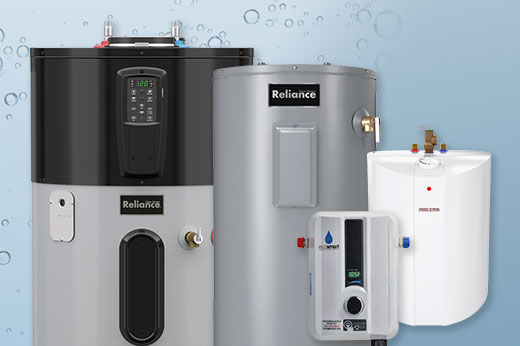
How to Choose the Right Water Heater For Your Home

Choosing the right water heater can make a big difference in your home’s comfort, energy use, and utility costs. Learn how to compare water heater types, choose the right size and fuel source, and find a model that fits your household’s hot water needs, available space, and budget.

Learn more
test

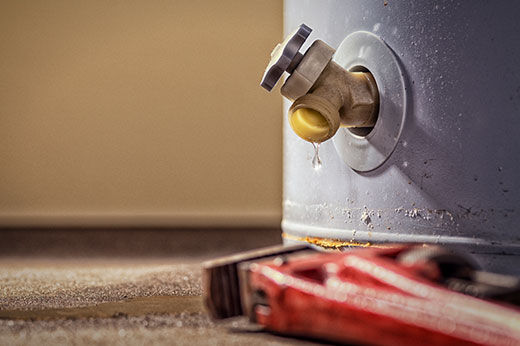
Repairing vs. Replacing a Broken Water Heater

Learn how to spot common problems, when a repair may be enough, and when replacing your water heater could be the better long-term investment.

Learn more
test

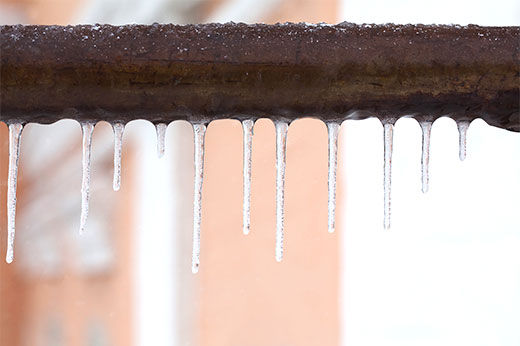
How to Keep Your Pipes from Freezing

Seven simple tips to avoid plumbing damage as the temperature begins to drop

Learn more
test

How to Troubleshoot a Dishwasher

Easy DIY repair tips you can try before calling a professional

Learn more