
Working with metal stock can open up a world of possibilities for DIY projects, home improvements, and professional builds. From simple brackets to full frameworks, the right shape of metal makes all the difference in strength, appearance, and ease of assembly. In this guide, you will learn how to cut, drill, and join common types of metal stock, and how to choose the best option for your project.
Cutting, Drilling, and Joining Metal Stock: What You Need to Know
Metal Stock Types and Best Uses
Metal stock comes in many different profiles, and each shape has strengths that make it better suited for certain projects. Choosing the right one will save time, reduce waste, and give you a stronger, cleaner result. The table below introduces the most common types you will find, with descriptions, practical uses, and a space where you can add reference images.
Metal Stock Type | Image | Description | Best Uses and Applications |
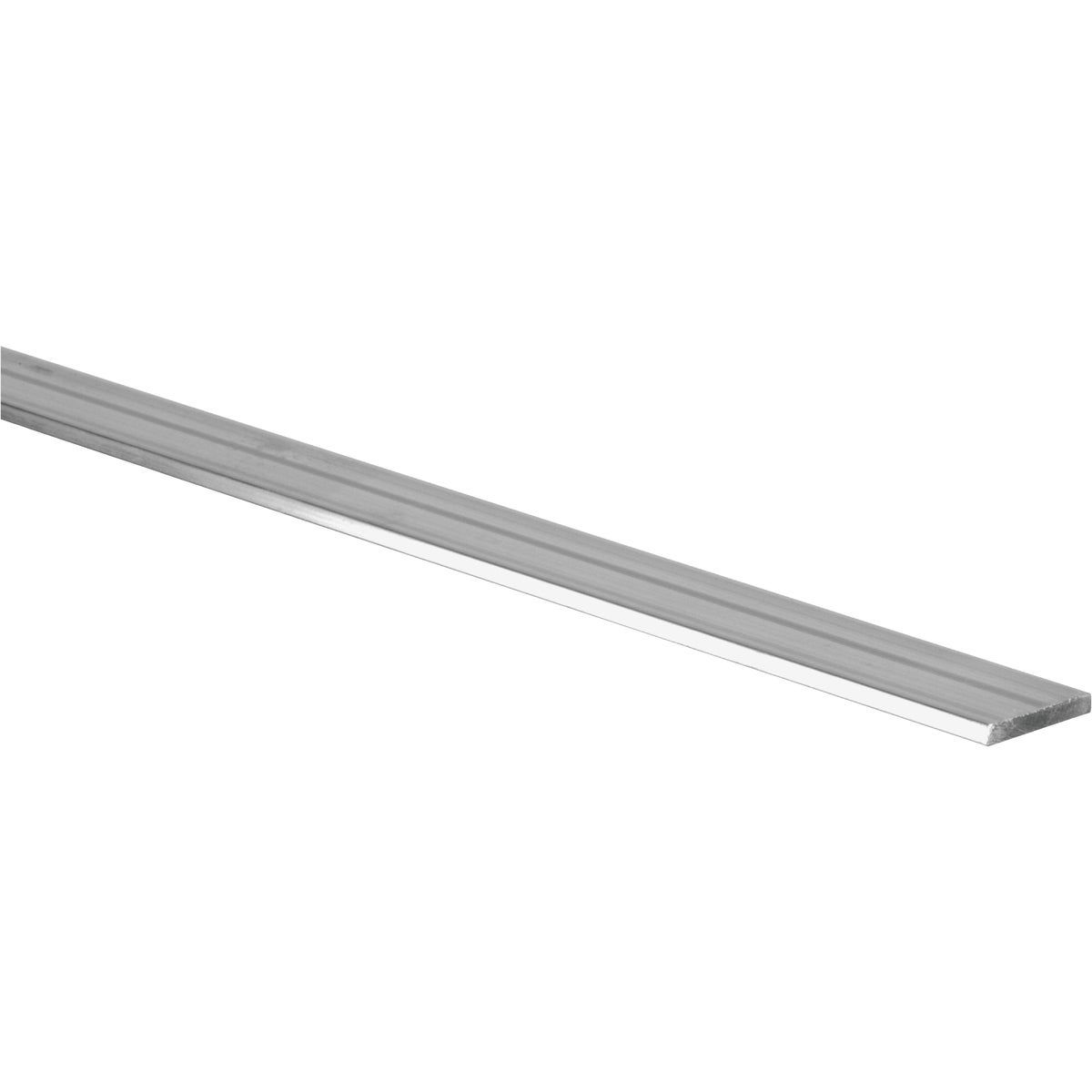 | Long, flat metal strips with uniform thickness. | General-purpose braces, brackets, furniture parts, and repair projects. | |
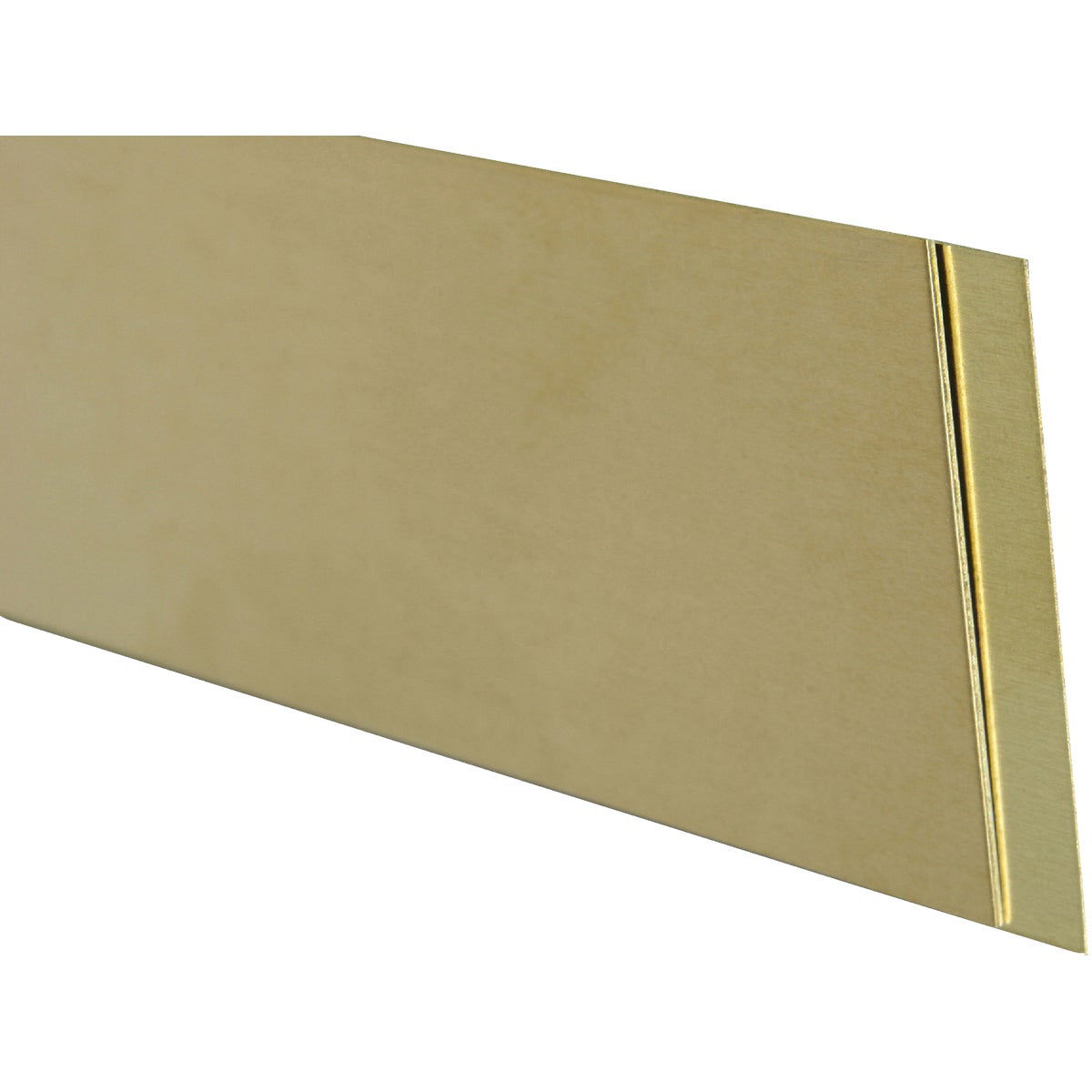 | A narrower version of flat stock, often thinner. | Decorative trim, lightweight supports, shims, and fine adjustments. | |
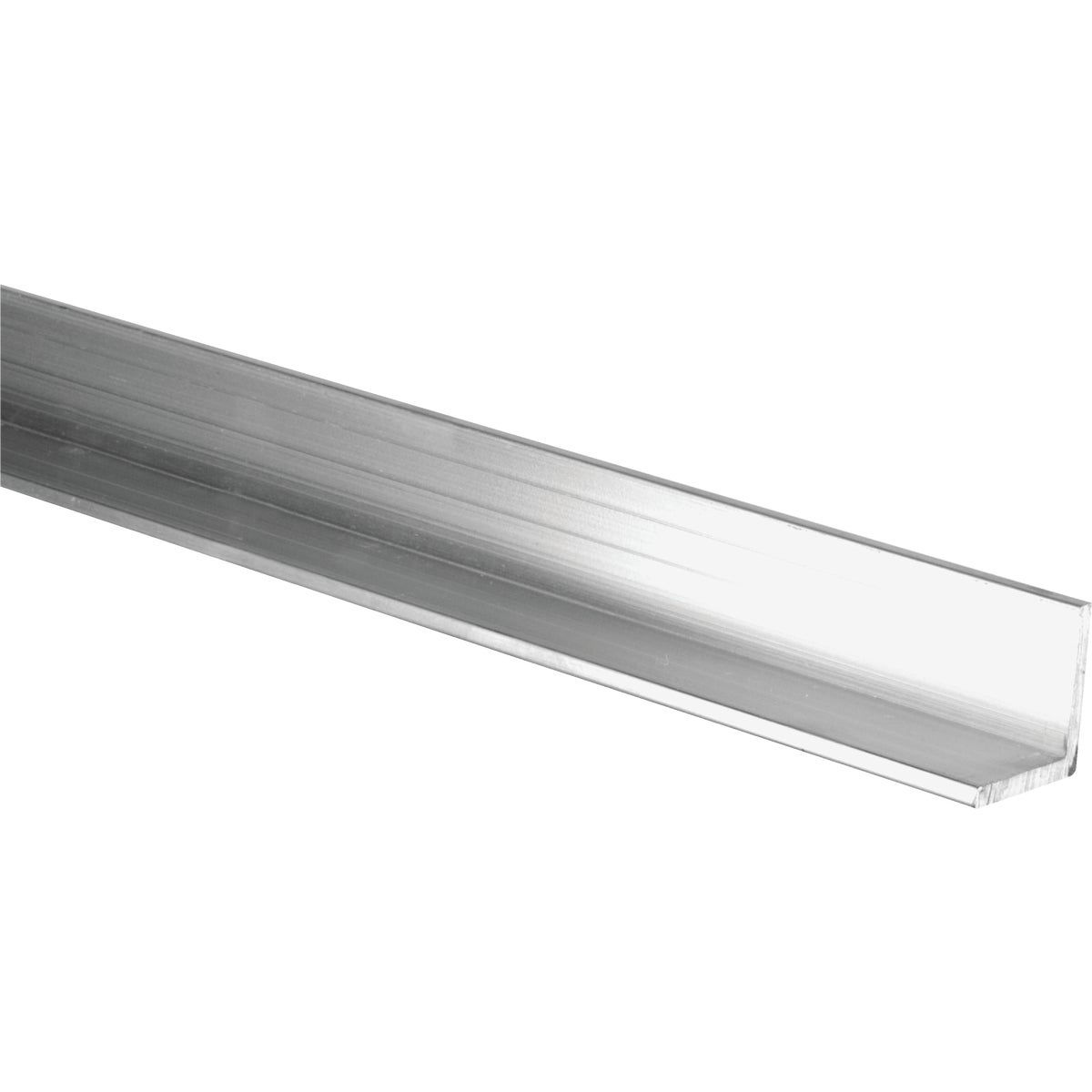 | L-shaped cross-section that provides rigidity at corners. | Frames, shelves, reinforcement of joints, and load-bearing corners. | |
Solid Rod | 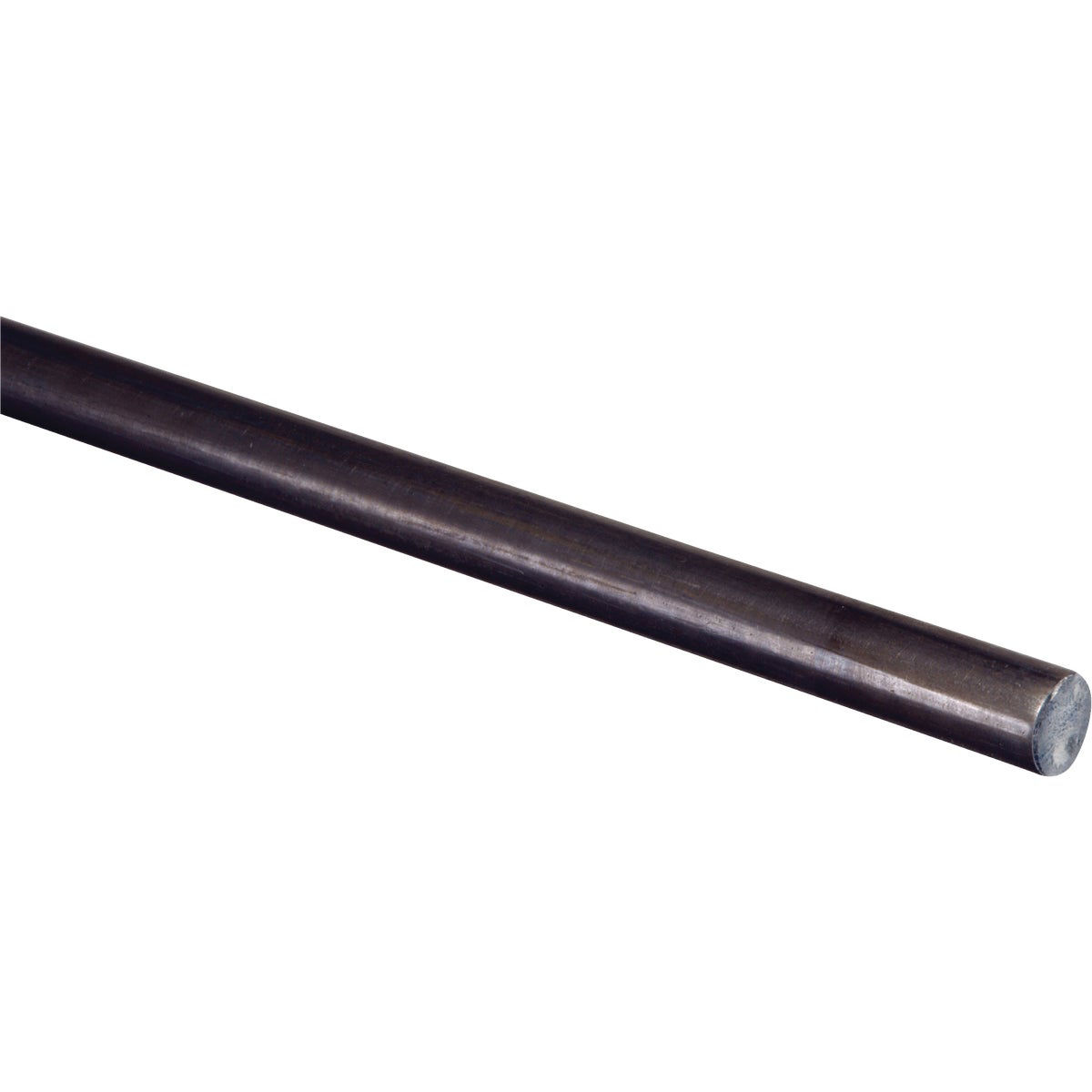 | Cylindrical bar of solid metal. | Shafts, pins, dowels, supports, or machining into custom parts. |
Threaded Rod | 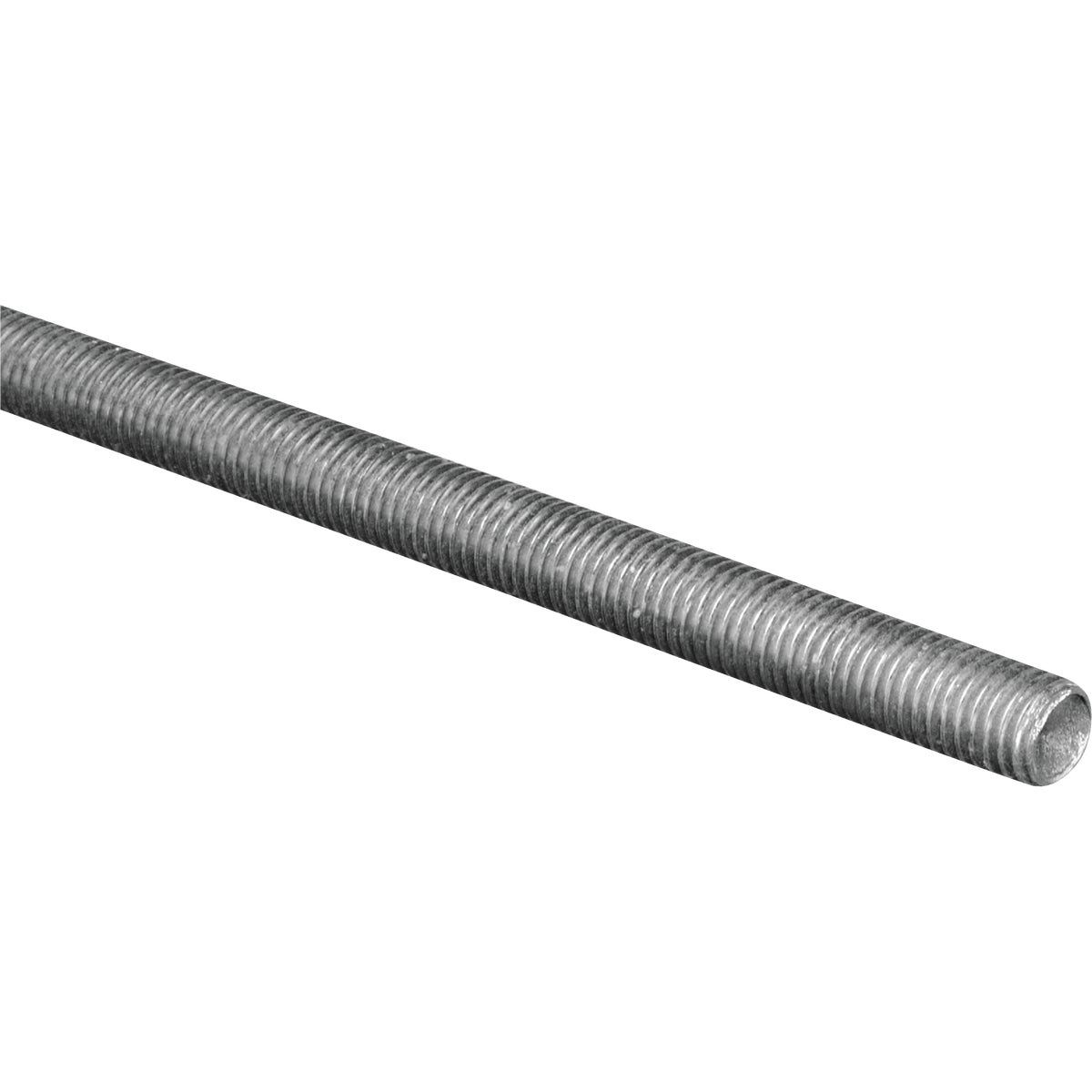 | Metal rod fully threaded along its length. | Fastening, tensioning, hanging supports, and extendable connections with coupler nuts. |
Round Tube Stock | 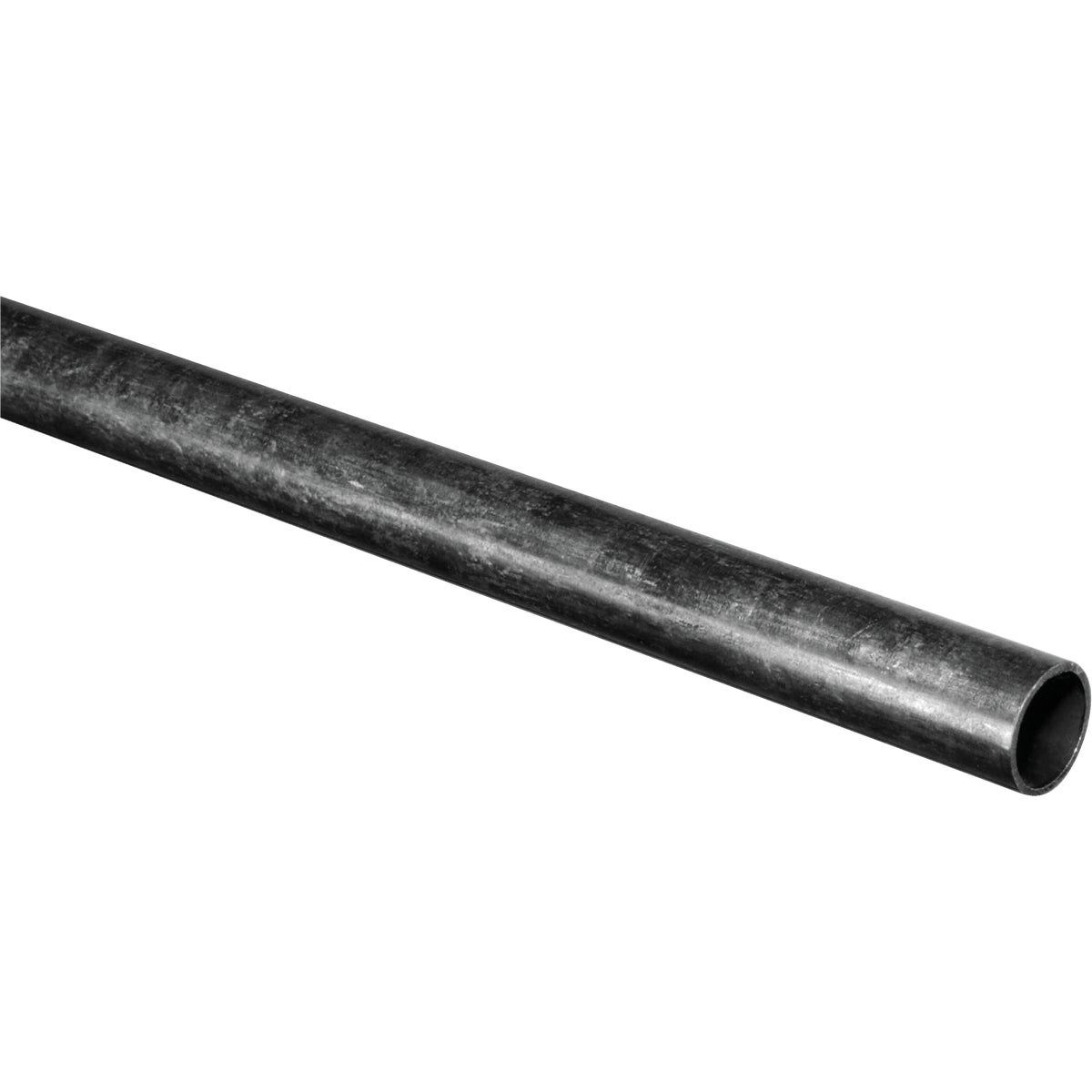 | Hollow cylindrical tubing. | Railings, frames, lightweight structures, and projects needing strength without heavy weight. |
Square Tube Stock | 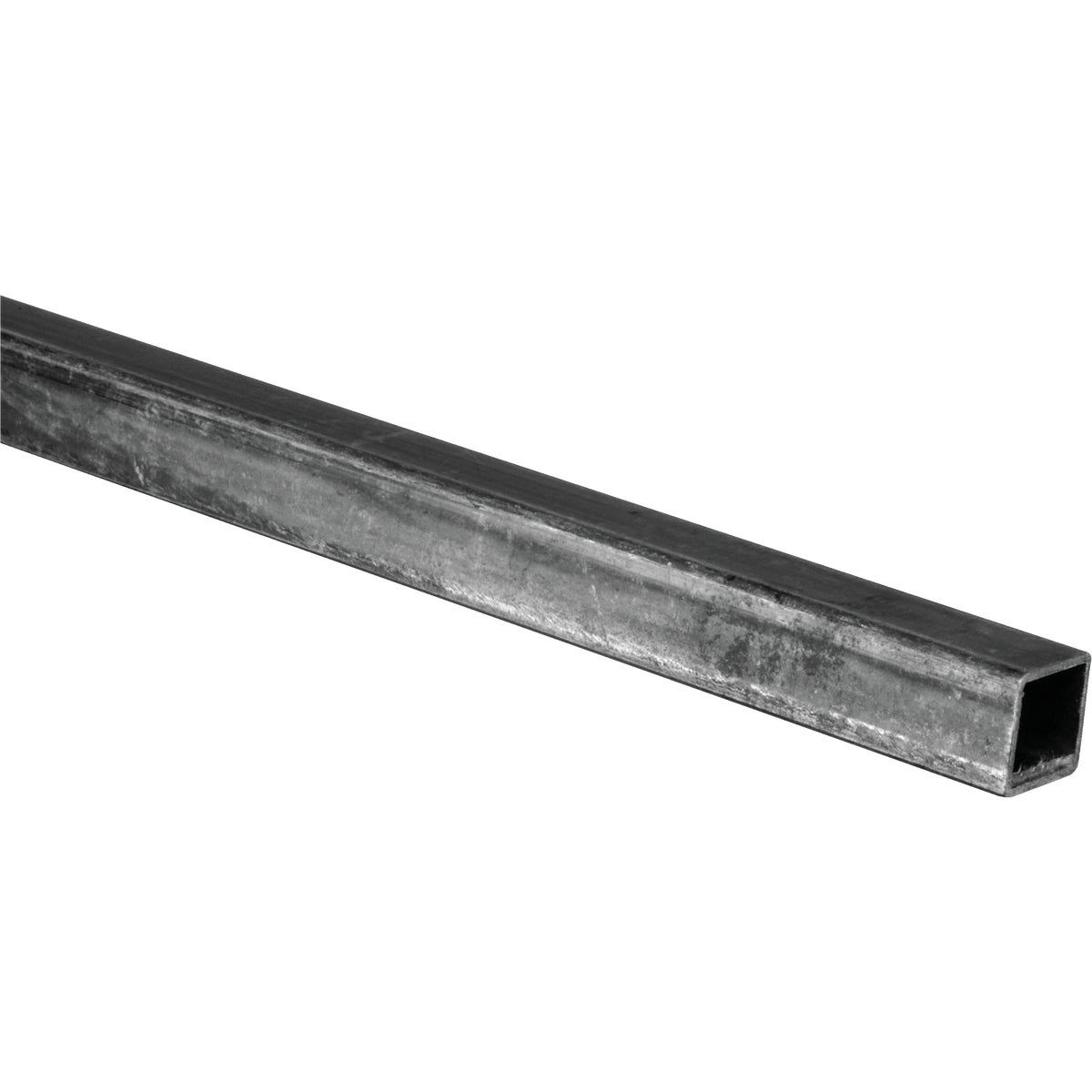 | Hollow tubing with square cross-section. | Furniture frames, table legs, shelving, and builds requiring torsional rigidity. |
U-Channel | 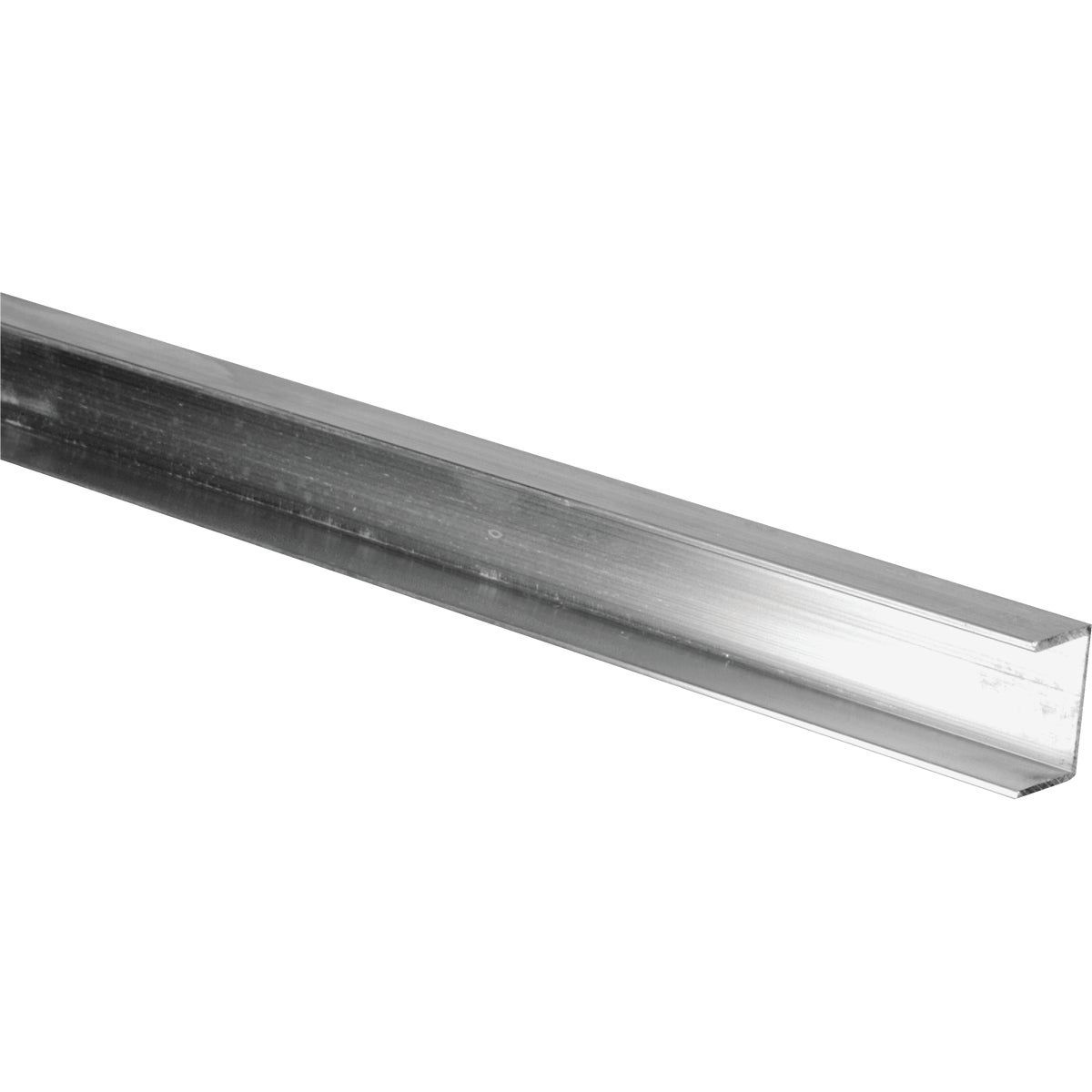 | U-shaped profile with flat base and vertical sides. | Sliding tracks, edging, trim, protective channeling, and reinforcement. |
Music Wire | 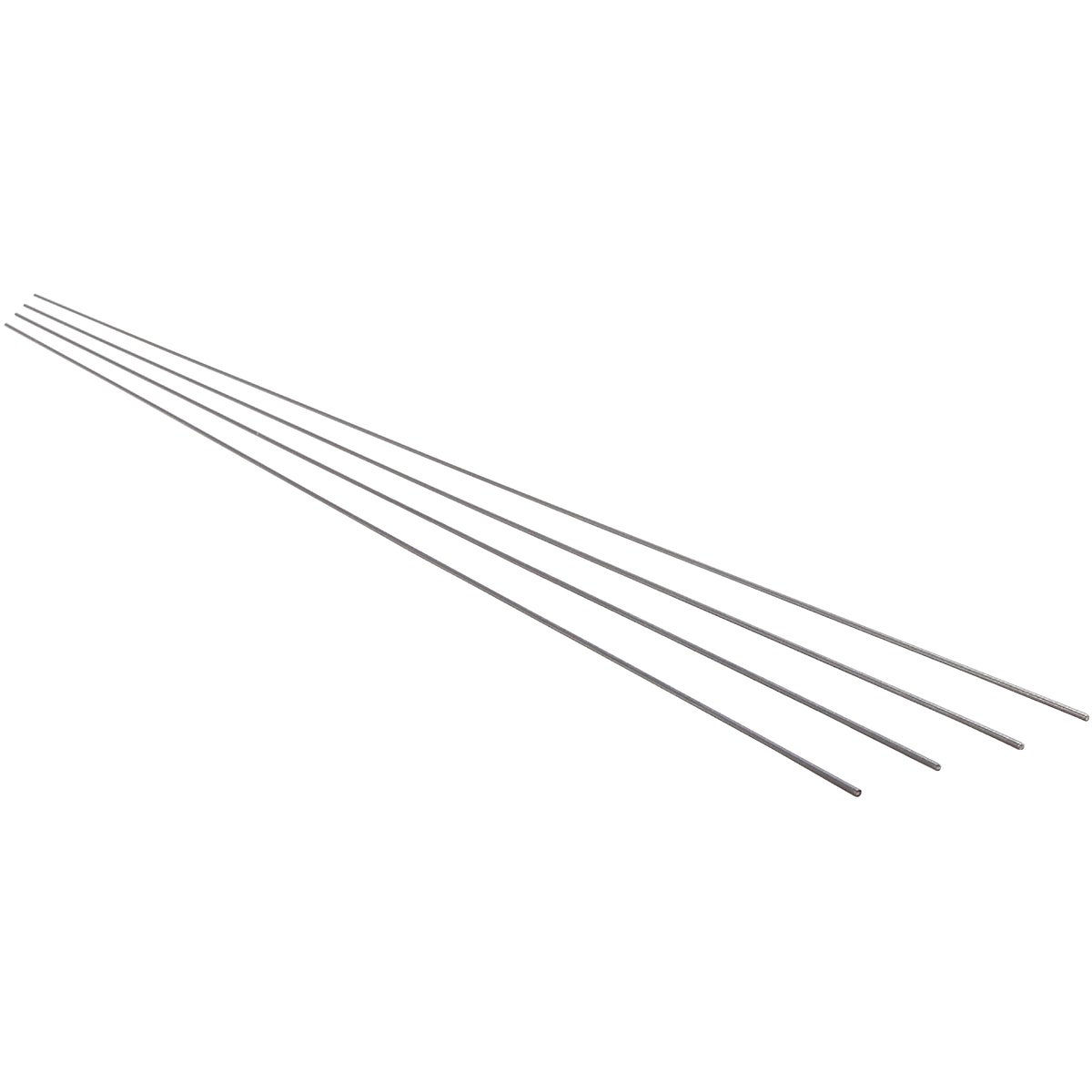 | High-strength steel wire with spring-like properties. | Springs, hobby builds, mechanical linkages, and tensioning projects. |
Coupler Nut | 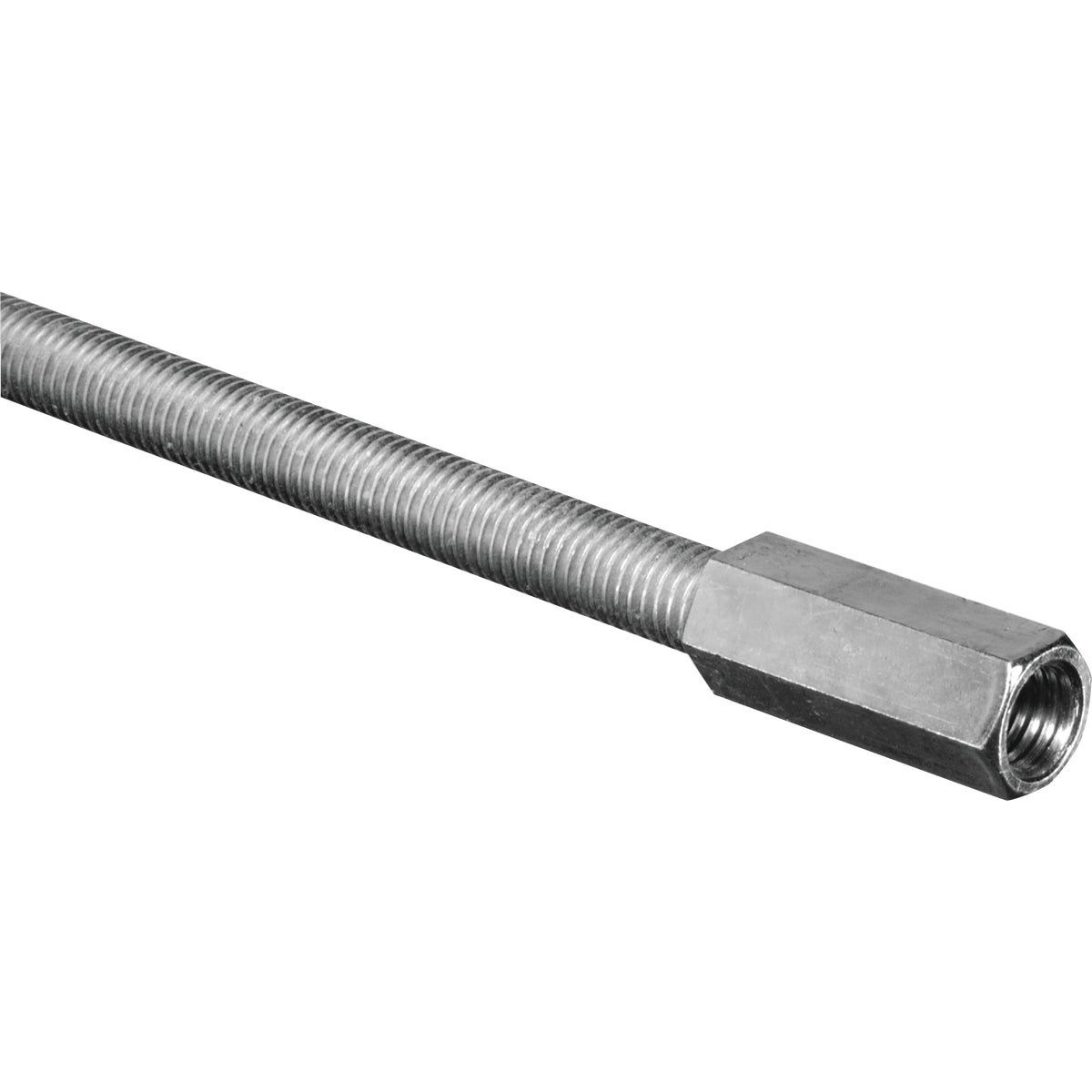 | Long hexagonal nut designed to connect threaded rods. | Extending threaded rod length and joining rods securely in assemblies. |
Brass Shim | 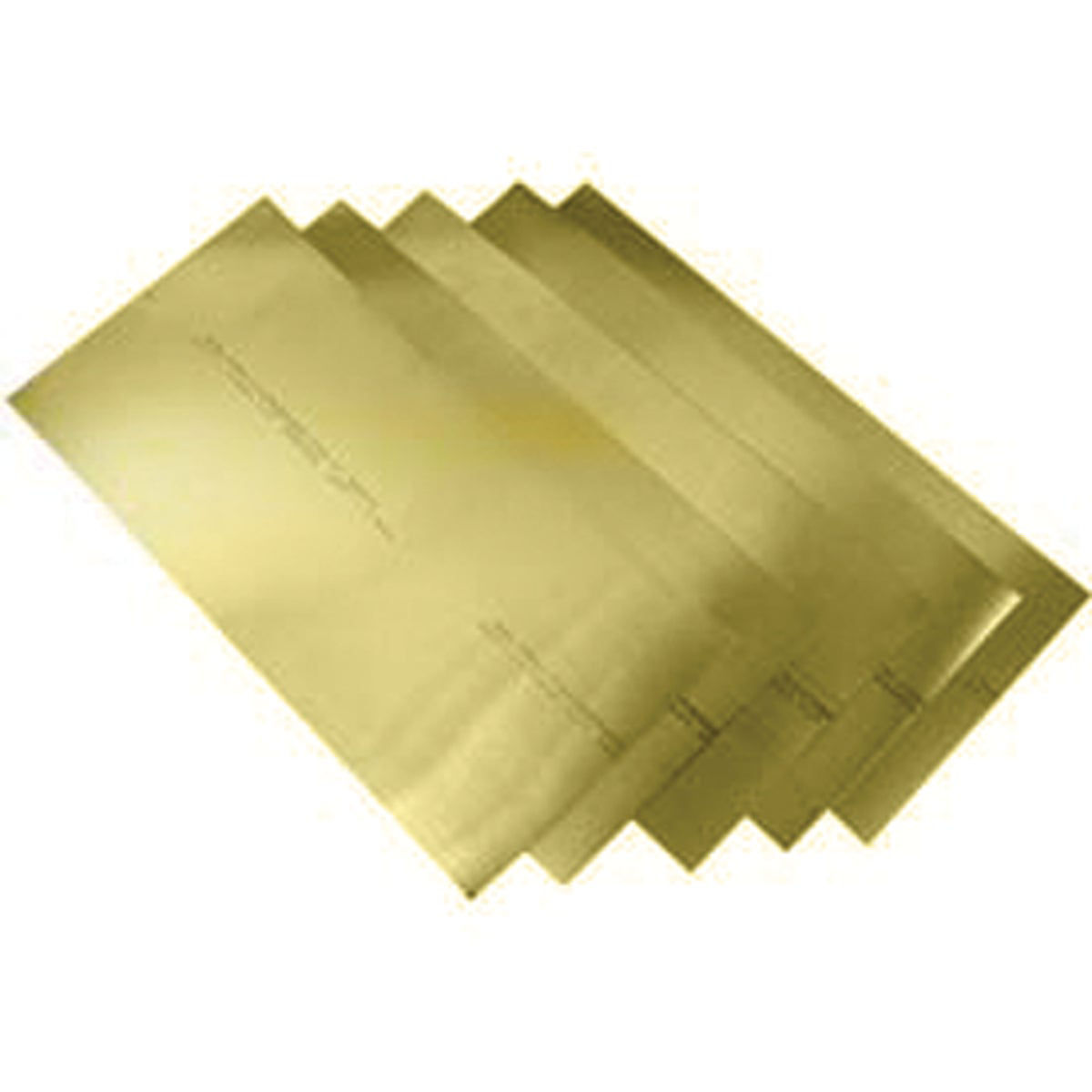 | Thin, flat sheet of brass used for spacing. | Precision adjustments, leveling, spacing in assemblies, and fine-tuning alignments. |
Understanding these shapes makes it easier to plan your build. Whether you are reinforcing a shelf, making a custom frame, or adjusting a machine with shims, knowing what each piece is designed to do will help you work faster and more confidently.
Cutting Metal Stock
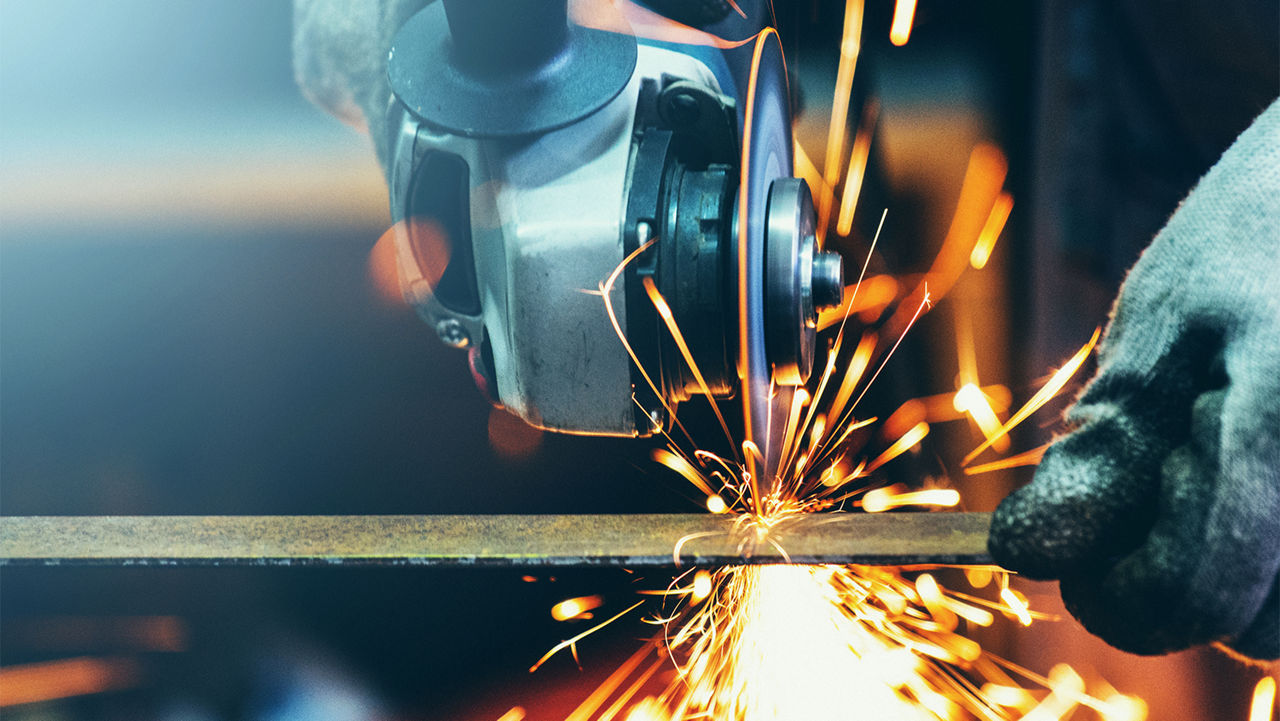
The right cutting tool depends on both the material thickness and the shape of the stock. Here is a quick guide showing which tools work best with which stock types.
Image | Tool | Best for These Stock Types |
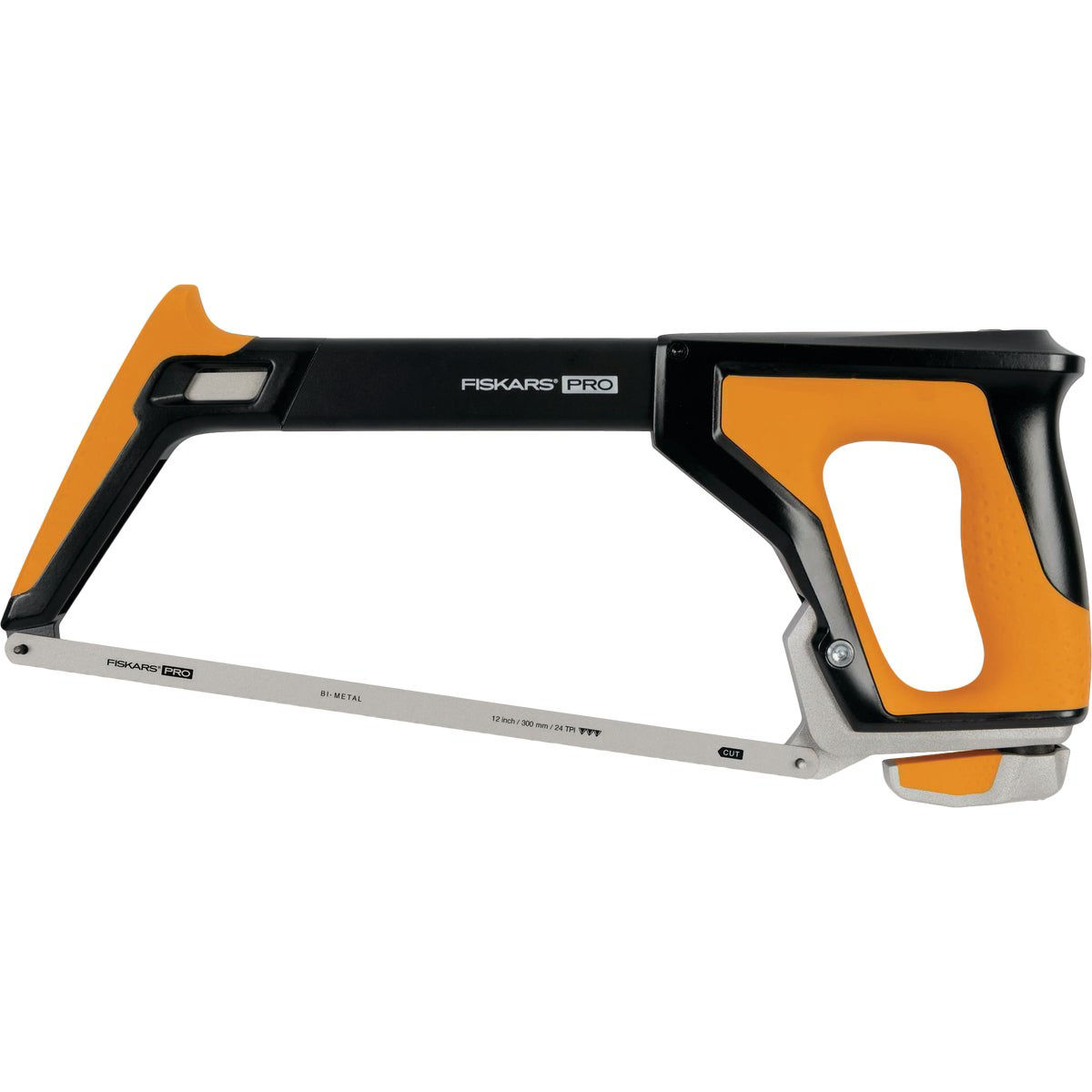 | Flat stock (thin), strip stock, small solid rods, threaded rod (small diameters). Works slowly but is precise and low-cost. | |
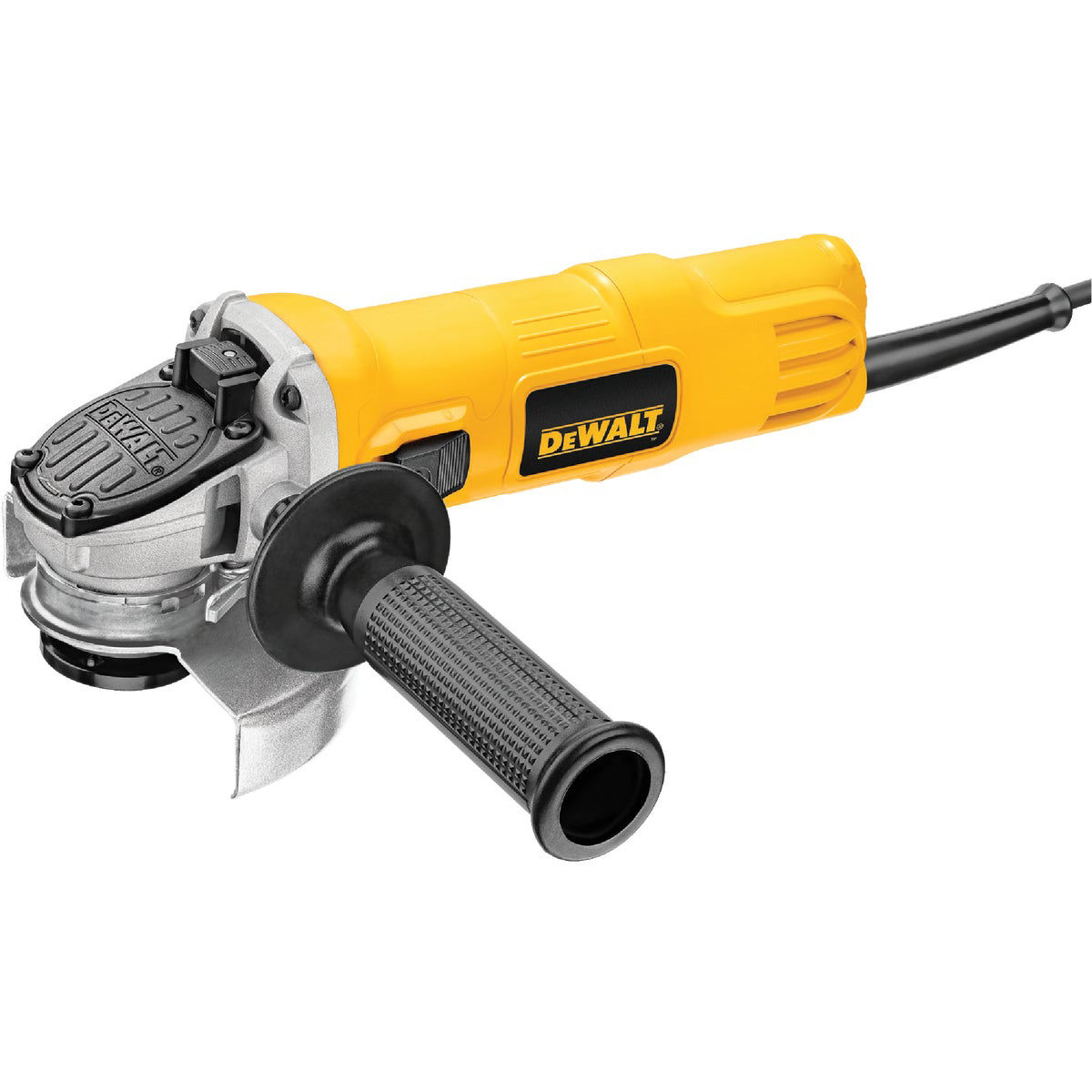 | Flat stock, angle bar, threaded rod, round tube, square tube, U-channel. Fast and versatile, but edges often need filing. | |
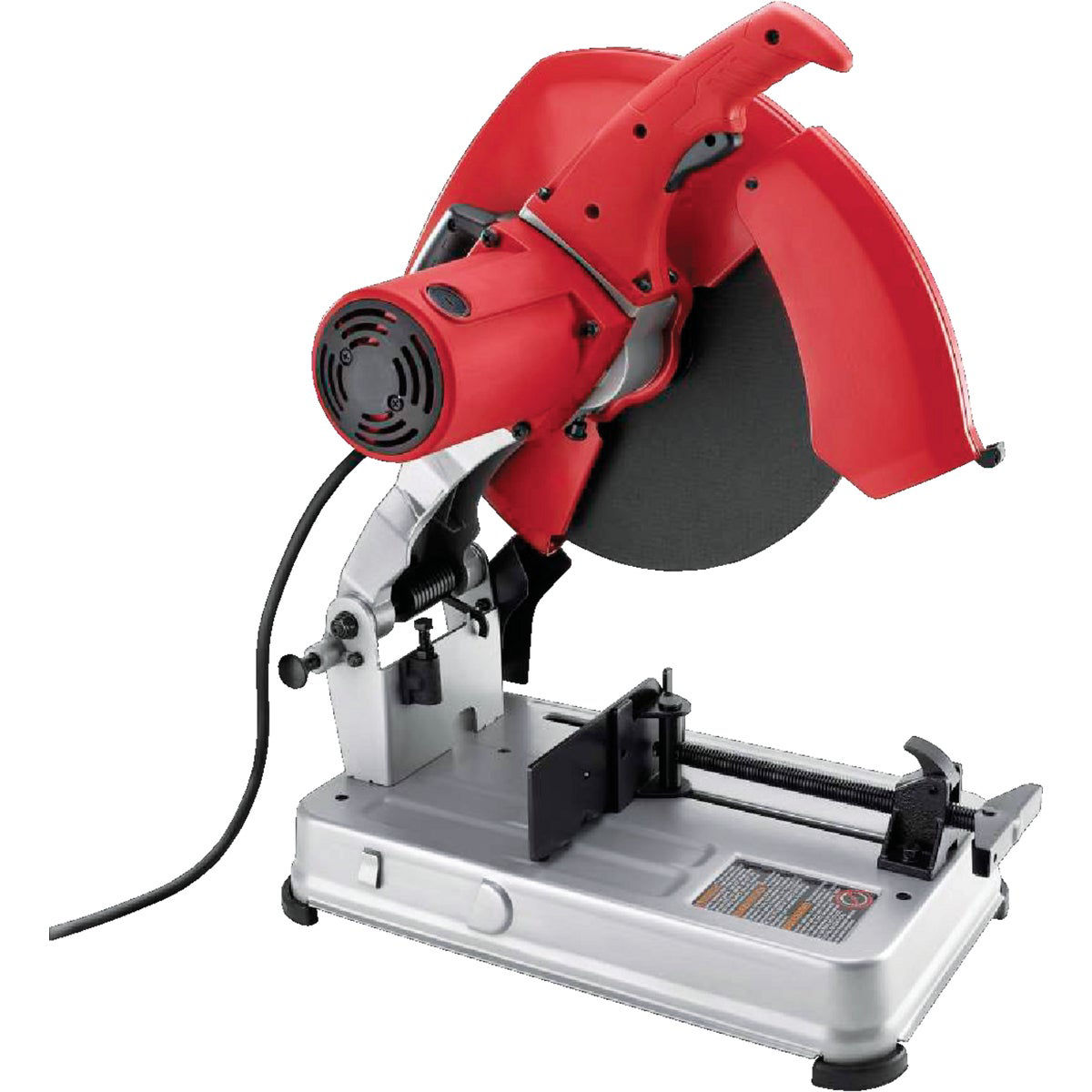 | Flat stock, angle bar, solid rod, threaded rod, round tube, square tube, U-channel. Best for clean, accurate, repeatable cuts. | |
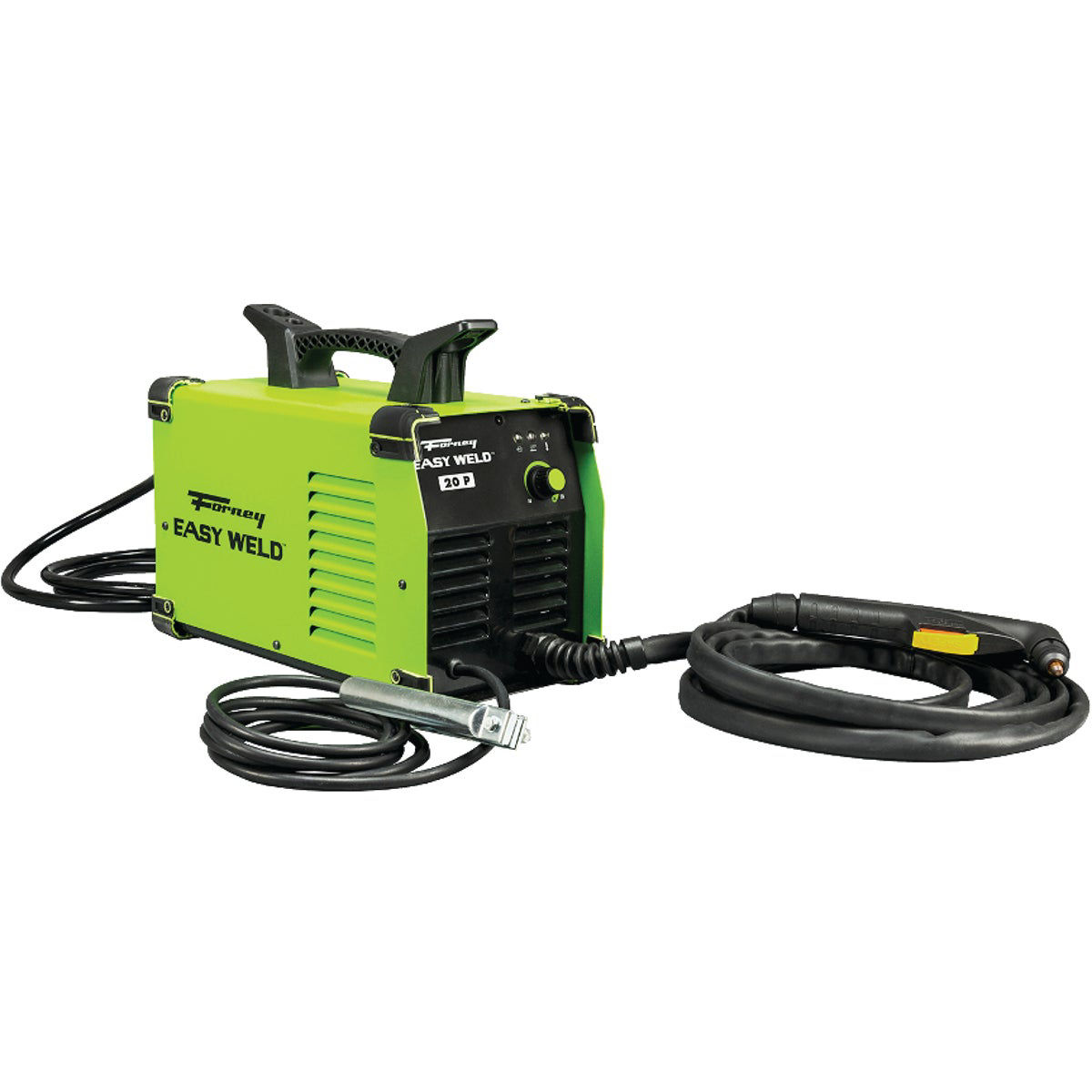 | Flat stock, angle bar, U-channel, thicker strip stock. Provides very quick and precise cuts but requires practice to avoid warping. | |
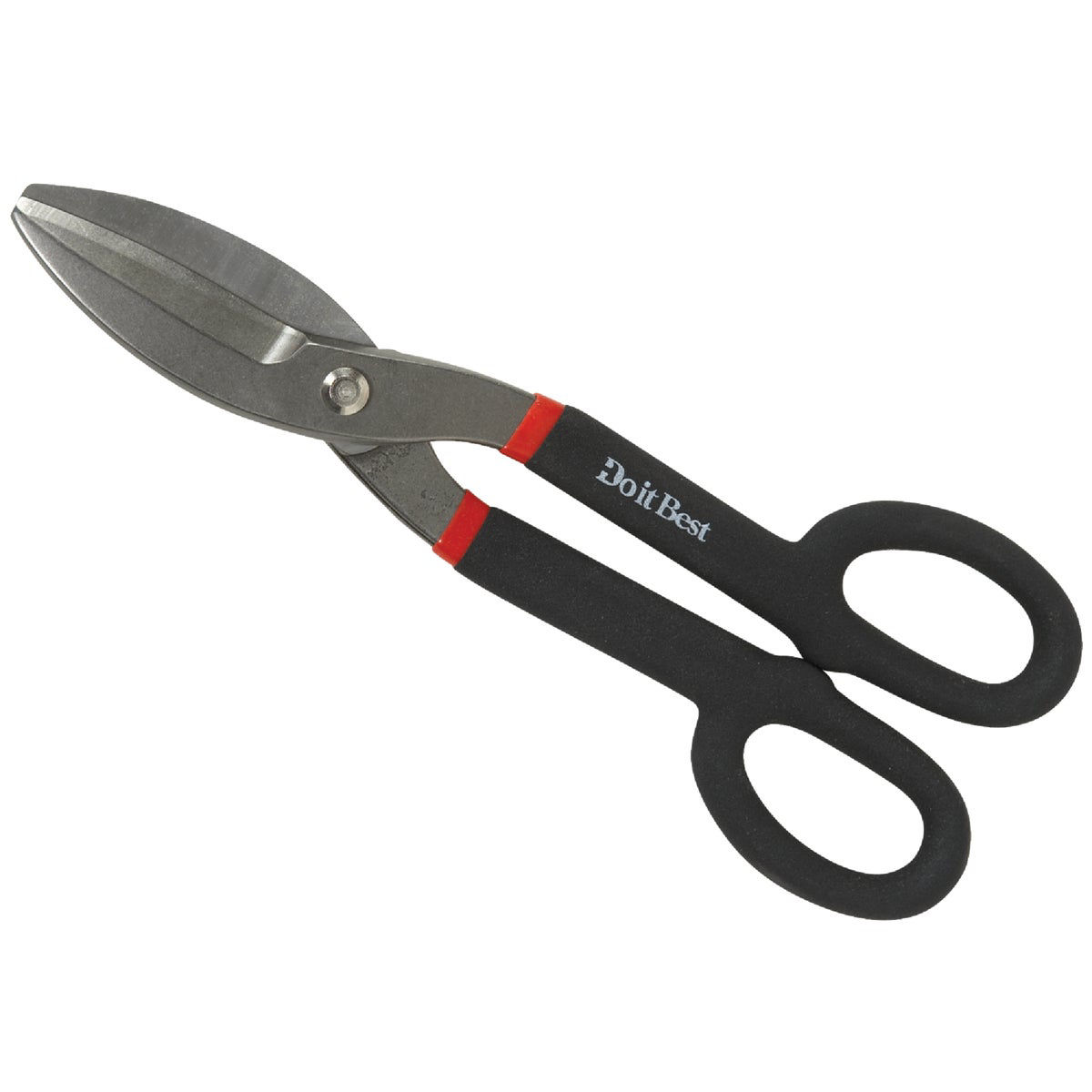 | Brass shim, thin strip stock. Ideal for thin metals where saws and grinders are unnecessary. | |
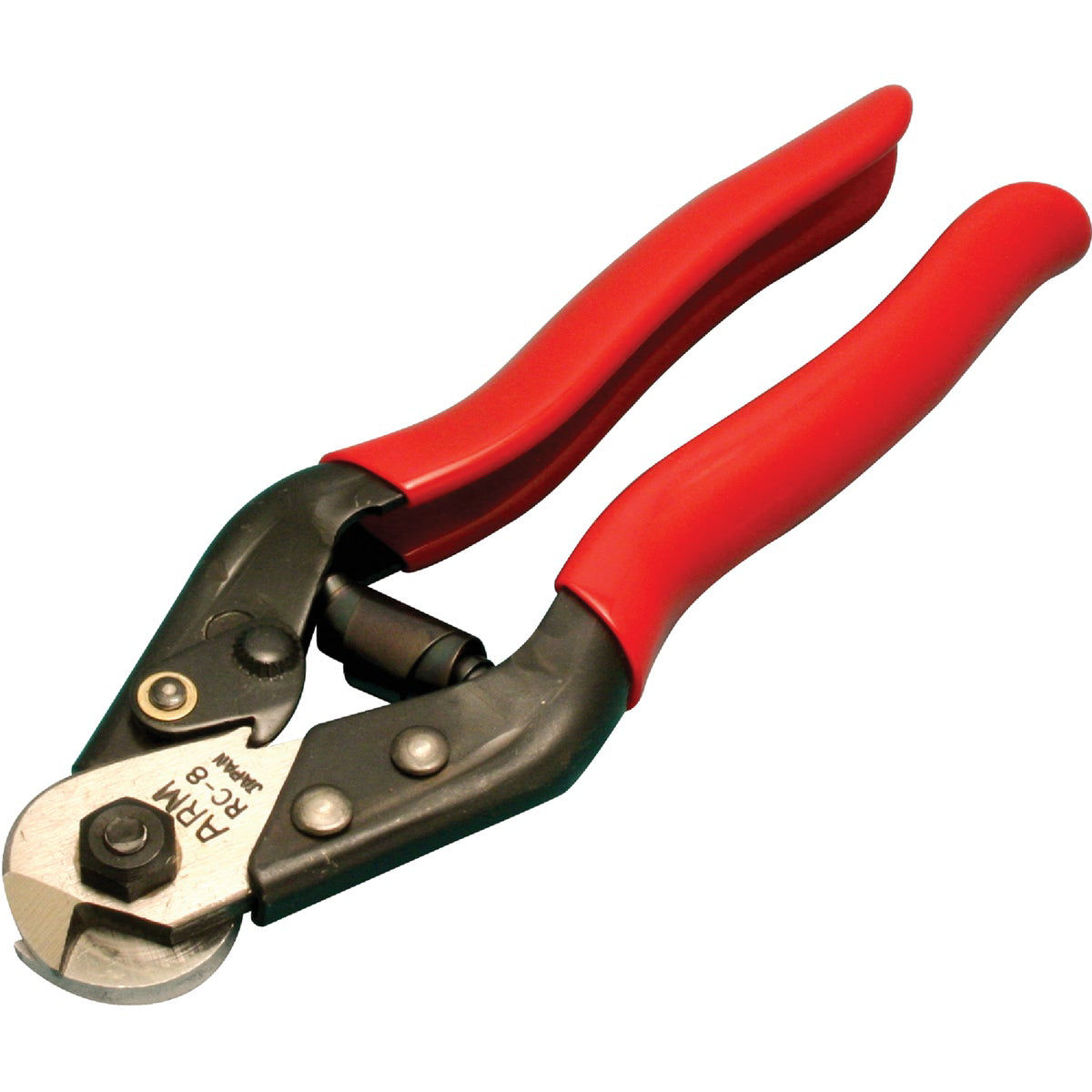 | Music wire only. Designed for spring steel, prevents tool damage. |
Safety Notes
Always wear eye protection, gloves, and hearing protection when cutting.
Keep sparks away from flammable materials.
Clamp your stock securely before cutting to prevent slipping or uneven cuts.
Drilling Metal Stock
Drilling requires the right bit and method to keep holes clean and accurate. Here are the most effective tools and what types of stock they work best with.
Cordless Drill
A versatile tool for lighter jobs. It works best with flat stock, strip stock, small threaded rods, and brass shim. A hand drill is easy to use but requires the material to be clamped firmly to prevent movement. It is most effective for thinner materials where precision is not critical.Drill Press
The drill press provides stability and accuracy, making it ideal for flat stock, angle bar, solid rod, round tube, square tube, and U-channel. It allows for straight, consistent holes and is especially useful when working with thicker or harder materials that need controlled pressure.Step Drill Bit
Step drill bits are designed for thin materials such as flat stock, strip stock, and brass shim. They allow you to create progressively larger holes without switching bits. This makes them a favorite for quick adjustments or when working with sheet metal.Cobalt or Titanium-Coated HSS Drill Bits
These are the go-to choices for tougher jobs. They handle solid rod, threaded rod, angle bar, round tube, and square tube with less wear and heat buildup. Their durability makes them essential when drilling into steel or other harder metals where regular bits would dull quickly.Lubricant (Cutting Oil)
Cutting oil is not a tool in itself but a vital companion. It reduces friction, prevents overheating, and extends the life of drill bits. It is especially important when working with solid rod, threaded rod, angle bar, or tubing, but it is useful for all stock types.
Joining Metal Stock
Once pieces are cut and drilled, the next step is joining them together. The right method depends on the type of stock, the strength required, and whether you want the connection to be permanent or removable.
Joining Method | Best for These Stock Types | Notes and Tips |
Bolts and Nuts | Flat stock, strip stock, angle bar, round tube, square tube, U-channel. | Strong and removable. Use washers to distribute pressure. Works best on drilled holes. |
Coupler Nuts with Threaded Rod | Threaded rod. | Allows you to extend the length of rods or connect two rods securely. File threads clean for smooth assembly. |
Welding (MIG, TIG, Stick) | Flat stock, angle bar, solid rod, round tube, square tube, U-channel. | Permanent and strongest method. Choose the welding type based on material thickness and accessibility. |
Rivets | Flat stock, strip stock, angle bar, U-channel, brass shim. | Semi-permanent fastening. Common in sheet metal work and where bolts would be bulky. |
Metal Adhesives (Epoxy, Structural Glue) | Flat stock, strip stock, brass shim, U-channel (light duty). | Good for non-structural applications or combining dissimilar metals. Not suitable for heavy loads. |
Clamps and Brackets | Angle bar, square tube, round tube, flat stock. | Useful for temporary joins or when welding and drilling are not practical. Great for adjustable frames. |
Extra Tips
Flat stock and strip stock: Drill holes for bolts or rivets when welding is not needed.
Angle bar and U-channel: Benefit from either welding for strength or bolted connections for removability.
Threaded rod: Always pair with coupler nuts or standard nuts for secure fastening.
Tubing: Square and round tubing are best joined with welding or brackets designed to hold their shape.
Brass shim: Typically not joined permanently but sandwiched between other materials for spacing or adjustments.
Common Mistakes to Avoid
Working with metal stock is very rewarding, but small mistakes can quickly turn into wasted material or weak connections. Here are some of the most frequent errors and how to avoid them:
Cutting too quickly
Rushing through a cut creates heat, sparks, and uneven edges. Take steady passes, let the tool do the work, and always clamp the stock securely.Using the wrong drill bit
Wood bits will burn out or break in metal. Always use high-speed steel, cobalt, or titanium-coated bits that are designed for drilling metal.Forgetting to use lubrication
Skipping cutting oil leads to dull bits, broken blades, and overheated material. Even a few drops make drilling and cutting smoother.Not reinforcing hollow tubing
Drilling into a round or square tube without support inside can crush the walls. Insert a scrap of wood or clamp close to the drilling point.Improperly joining the threaded rod
The threaded rod needs nuts or coupler nuts tightened firmly. Cutting the rod without cleaning up the threads makes nuts difficult or impossible to turn on.Ignoring edge finishing
Raw cuts leave burrs and sharp edges that can cut skin or damage other parts. Always file or grind edges smooth after cutting.
Avoiding these common mistakes keeps your work precise, your tools lasting longer, and your finished project stronger and safer.
FAQ
- Can I join metal stock without welding?
Yes, welding is not the only option. You can use bolts and nuts, rivets, coupler nuts with threaded rods, or even heavy-duty brackets and clamps. For lighter projects, structural adhesives or epoxy can also work. These methods are especially useful if you want the connection to be removable or if you do not have welding equipment. - What drill bits should I use for steel flat stock?
High-speed steel (HSS) drill bits are the minimum requirement for drilling steel flat stock. For thicker or harder steel, cobalt bits or titanium-coated HSS bits are best because they stay sharp longer and resist heat. Always use cutting oil and drill at a slow, steady speed to avoid overheating the bit. - What is the difference between flat stock and strip stock?
Flat stock is a wide, flat piece of metal available in various thicknesses and widths. Strip stock is essentially the same shape but much narrower, often thinner as well. Flat stock is usually chosen for brackets, braces, or larger structural applications, while strip stock is more common in trim, edging, and fine adjustments where less material is needed. - How do I stop burrs and sharp edges after cutting metal stock?
After cutting, use a metal file, deburring tool, or angle grinder with a flap disc to smooth the edges. This removes sharp burrs that can cause injuries or interfere with fitting pieces together. For thin materials like brass shim or strip stock, sanding with fine-grit emery cloth also works well. - Can I use adhesives instead of bolts or welding to join flat stock?
Yes, metal adhesives such as structural epoxy or specialized bonding glue can be used for non-structural applications. Adhesives work well for attaching trim, decorative elements, or lightweight assemblies. However, they are not strong enough for heavy load-bearing projects. For anything structural, bolts, rivets, or welding are more reliable.
Conclusion
Working with metal stock becomes much easier once you know the right shapes, tools, and joining methods. From flat stock and angle bars to tubing, U-channel, and threaded rods, each type has a role in creating strong, reliable projects.
By cutting and drilling carefully, joining pieces with the right method, and avoiding common mistakes, you can achieve professional-quality results whether you are tackling a small repair or building a custom frame.
The right knowledge not only saves time and effort but also ensures your finished project is safe, durable, and built to last.
Related Articles

The Best Mailboxes of 2025: Modern, Decorative, Secure, and Residential Options
Discover mailbox ideas, tips, and buying guides to help you choose stylish, secure, and durable options that enhance your home’s curb appeal.
Learn more
What Type of Padlock is Most Secure? A Guide to High-Security
Explore expert advice on padlocks and security solutions. From choosing the right type to understanding advanced features, find the best ways to protect what matters.
Learn more
Roofing Nails: A Comprehensive Guide to Nails for Roof and Shingle Installation
Explore expert guides on roofing nails – learn how to choose, install, and maintain the right nails for lasting, secure roof and shingle performance.
Learn more
8 Steps to Mounting a TV on the Wall
Safe and easy ways to upgrade your viewing experience at home
Learn more
How to Choose the Right Collated Nails for Your Nailer and Project
Not sure which collated nail fits your tool or task? This guide breaks it down with clear specs and use cases.
Learn more