How to Choose the Best Lawn Fertilizer

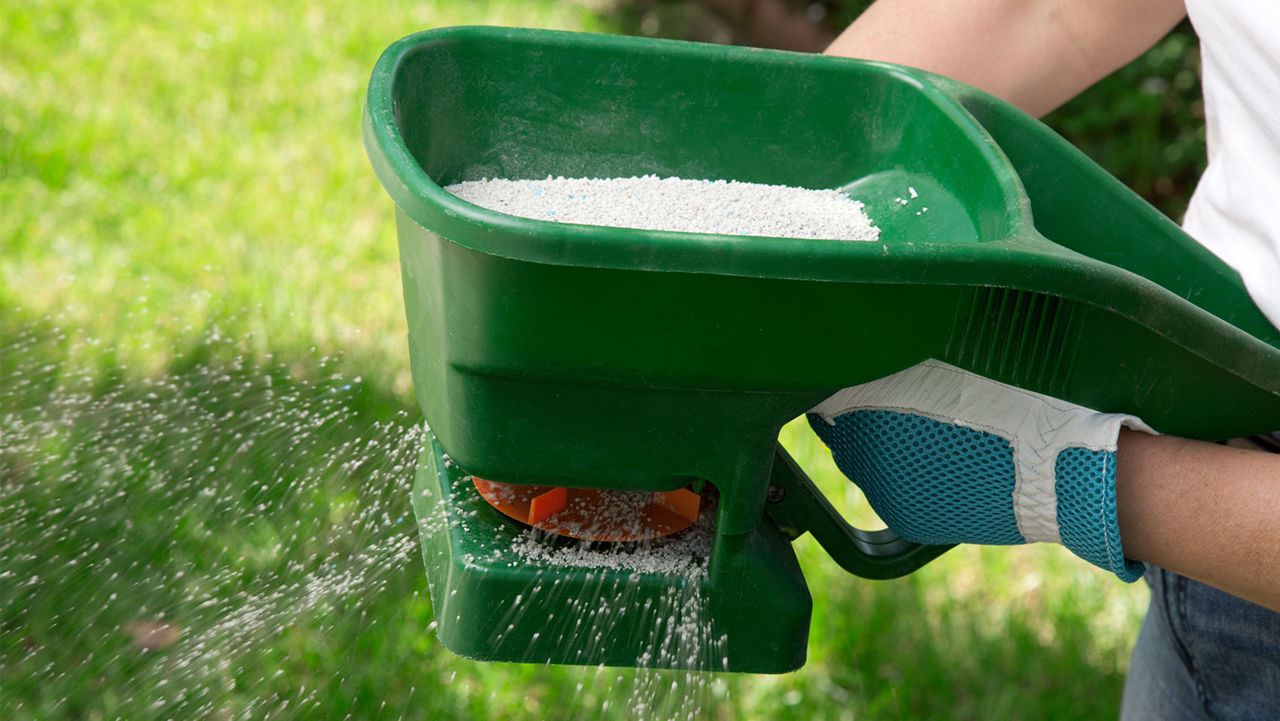
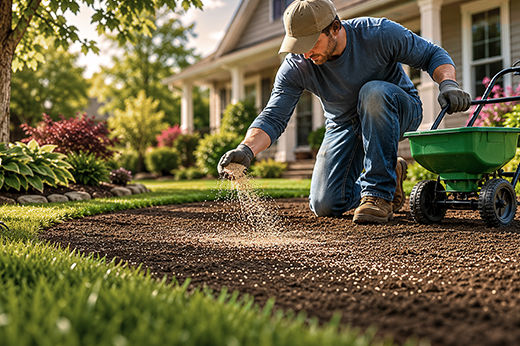
Feeding lawn with granular fertilizer for perfect green grass

Maintaining a healthy and attractive lawn requires sunlight, water, and appropriate nutrients for the plants to thrive. Lawn fertilizer is an easy way to ensure that your grass gets the right nutrients to promote growth, establish a strong root system, and boost overall health.

What is the Best Nutrient for a Lawn?

Lawn fertilizers contain a mixture of three essential nutrients in varying amounts. The N-P-K ratio for a fertilizer lists the percentage of each of the following:

  • Nitrogen - promotes growth and a rich green color

  • Phosphorus - aids the plant in developing a strong root system

  • Potassium - helps with disease resistance and overall health

For example, a fertilizer with a ratio of 10-10-10 contains 10% nitrogen, 10% phosphorus, 10% potassium, and other filler material.

Some states have banned fertilizer containing phosphorus, as it can cause algal blooms and harm aquatic ecosystems.

How to Know What Fertilizer to Use on Lawn

There are several factors to consider when choosing the correct fertilizer for your lawn. 

To begin, it is recommended to do soil testing of your yard. The best time to do this is in the spring before the lawn has been fertilized. Soil testing can be done with an at-home soil test kit or sent in for evaluation. It will provide information on soil acidity as well as the amount of nitrogen, phosphorus, and potassium currently in the soil. It will indicate any nutrient deficiencies that need to be addressed.

It is important to identify whether you have cool- or warm-season grass. Cool-season varieties include Kentucky bluegrass, fescue, and rye. These grow more slowly than warm-season grasses and are usually fertilized twice-a-year in the spring and fall. Warm-season varieties include Bermuda, zoysia, St. Augustine, centipede, and Bahia. These grow continuously throughout the year.


Fertilizing lawn with handheld spreader

Types of Lawn Fertilizer

Fertilizers are offered in both granular and liquid formulations. The application process differs slightly between them, and each format has pros and cons.

Granular Fertilizer

Granular formulas are small particles that are distributed throughout the lawn with a fertilizer spreader.

Pros

  • Slow-release formula provides longer-lasting results
  • Spreads more easily than liquid

Cons

  • Granules take longer to break down and begin working
  • Requires fertilizer spreader to apply, making it more difficult than liquid

Liquid Fertilizer

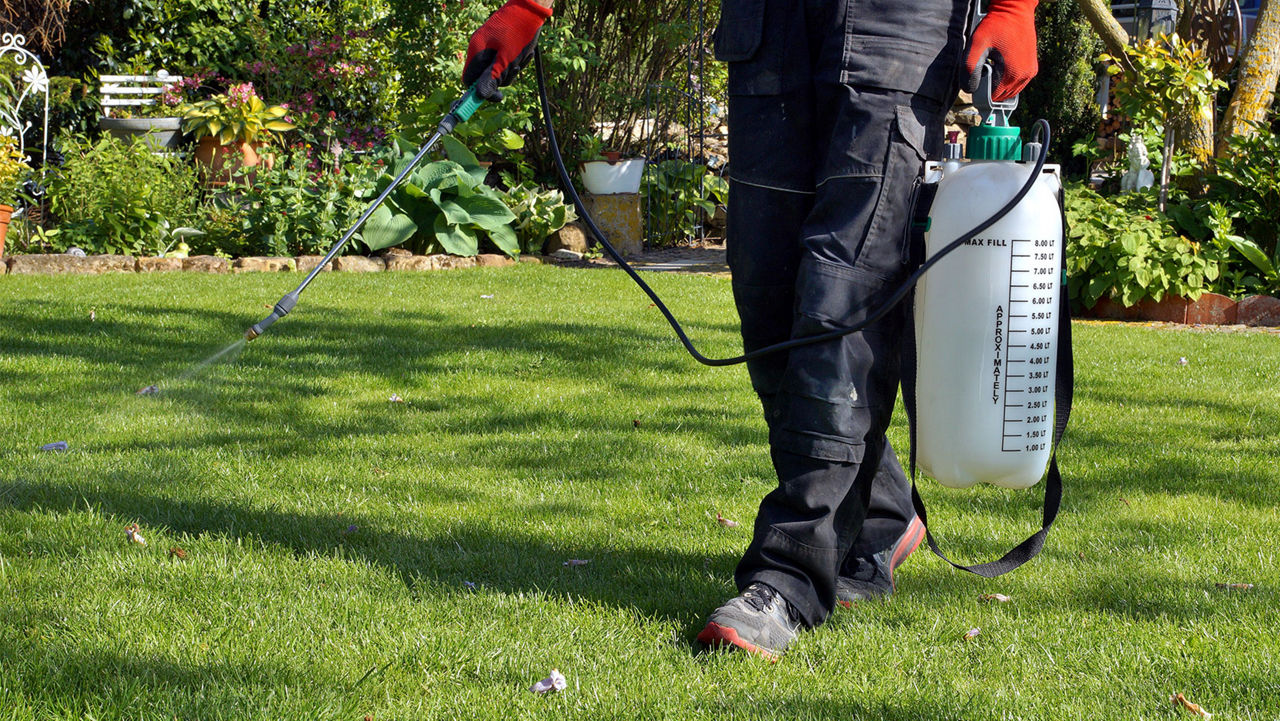
Liquid formulas may come as particles that must be mixed with water, liquid that can be mixed with water, or in a bottle that can be attached directly to a garden hose for spraying.

Pros

  • Immediate-release formula for faster green-up
  • Easier to apply than granular

Cons

  • Harder to get even coverage
  • More likely to burn the grass if not applied correctly
Spraying liquid lawn fertilizer with portable sprayer

Organic vs. Synthetic

There are environmental considerations when choosing a fertilizer as well.

Organic Fertilizers

Organic fertilizers are made of natural materials such as compost, manure, and bone meal.

Pros

  • Safe for pets and other animals
  • Does not pollute the environment
  • Adds helpful bacteria and organisms into the soil

Cons

  • May take multiple applications to see improvement
  • More expensive than synthetic

Synthetic Fertilizers

Synthetic fertilizer contains man-made ingredients.

Pros

  • Cheaper than organic
  • Provides faster results

Cons

  • Toxic to pets and animals
  • Pollutes water supply and contributes to harmful algae blooms
  • Harmful to the good bacteria and organisms in the soil

Specialty Fertilizers

Lawns have varying and specific nutrient requirements, and there are specialty fertilizers to address these needs.

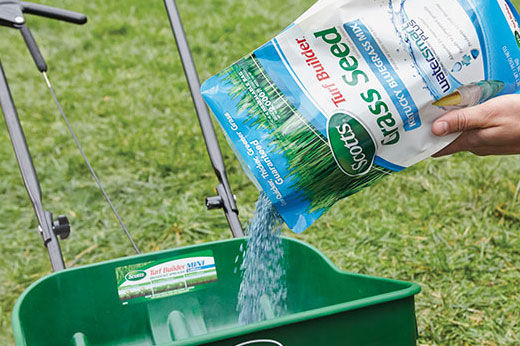
  • Starter - When new sod is installed or a new lawn is planted, it is helpful to use a starter fertilizer, which has a high phosphorus content to promote healthy root growth.
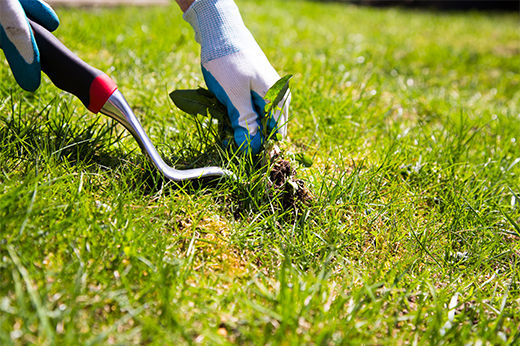
  • Weed and Feed - For problem lawns, Weed and Feed contains pre- or post- emergent herbicides to address weeds before they emerge and/or control growth like crabgrass that can quickly take over a lawn.
  • Quick Green - For an established lawn, this formula has a high nitrogen content but no phosphorus, which is harmful to water sources and not needed in this situation.
  • Seasonal - This will provide a different mixture of nutrients based on the season. You will need to apply a different formula with each application.

Do it Best has all of the materials you need to maintain a beautiful, healthy lawn, no matter your requirements.

test

When is the Best Time to Plant Grass Seed?

Not sure when to plant your grass seed? Find out the ideal timing based on your climate, grass type, and seasonal conditions for the best results.

Learn more
test

Grass Seed Buying Guide

Get better results from your lawn by choosing the right grass seed. Explore key factors like climate, usage, sun exposure, and more before you buy.

Learn more
test

Snowblower Buying Guide: Spend Less Time Shoveling

Learn how to pick the best type of equipment to fit your needs

Learn more
test

Benefits of Planting Fruit Trees

Let your yard thrive this year by adding a new tree to the mix

Learn more
test

How Do I Fix Bad Drainage in My Yard?

Use these tips to help keep your lawn dry and prevent flooding

Learn more