How to Kill Weeds Without Killing Your Grass

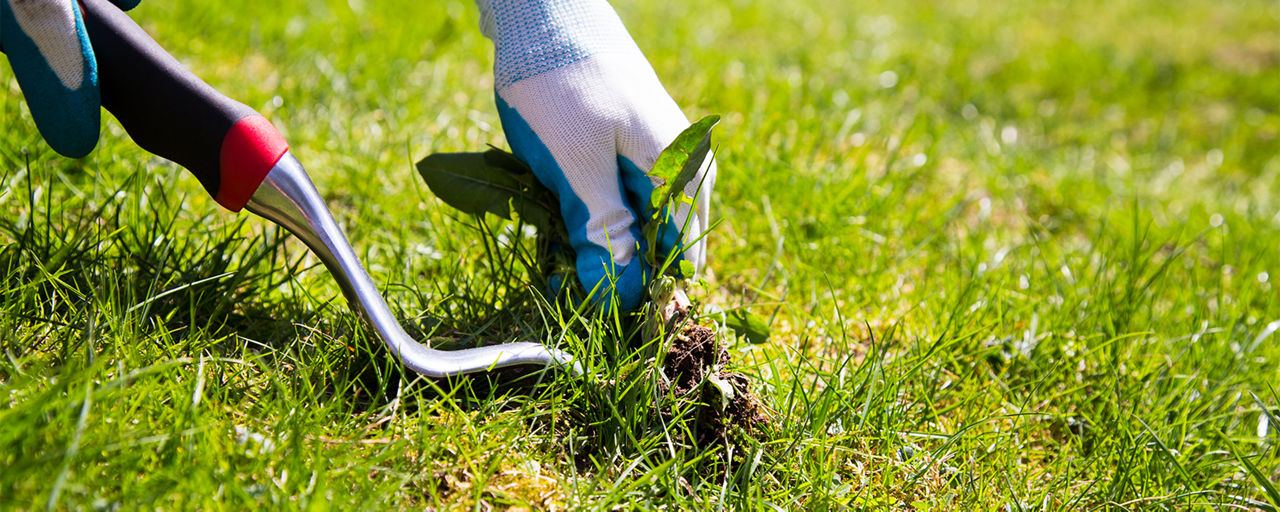
Gloved hand manually pulling a weed using a weed tool

If you’re one of the growing number of homeowners who need to kill weeds but don’t know how to do so without damaging your lawn, this guide will help you devise a comprehensive strategy for banishing weeds without harming your grass. With a combination of lawn care and maintenance, physical weed removal, prevention methods, and targeted lawn-safe treatments, our tips can help you achieve a weed-free yard with healthy grass for years to come.

When Is the Best Time to Remove Weeds?

The most targeted way to attain a weed-free lawn is to physically remove those problem plants. But choosing when to remove them is as important as the methods you use, discussed in the next section.

For best results, remove weeds when plants are still young and before they can establish deep roots. Spring is often the optimal time to remove weeds before they can mature, flower, and go to seed. But if you miss that opportunity, removing broadleaf weeds, like dandelions and chickweed, in the early fall enables you to kill new seedlings before they can overwinter. Avoid removing weeds during periods of extreme summer heat, which can stress the grass you’re working to preserve. 

How to Safely Remove Weeds

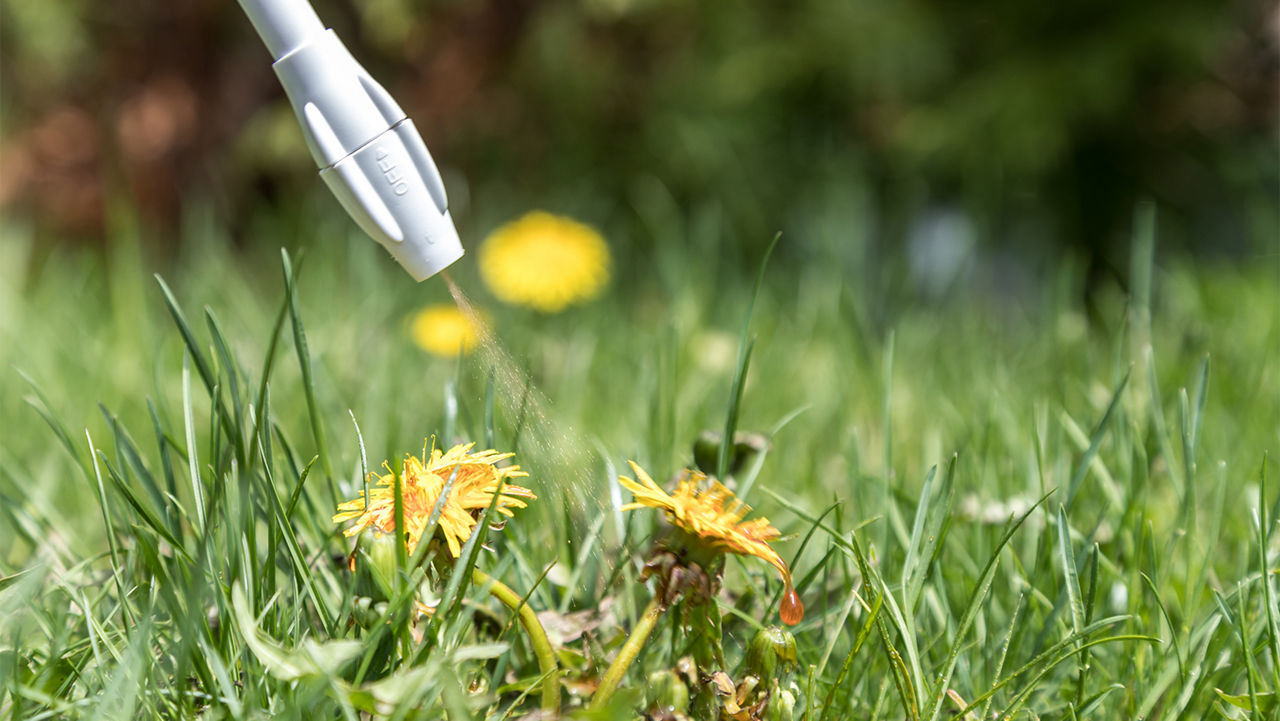
Spraying dandelions with weed killer

With enough elbow grease and an arsenal of effective weed killers, you can remove problem plants in your lawn. However, these herbicides still require special handling and in some cases to be safe for people and pets, and some targeted methods require care to avoid overspray on grass, which can be damaged by strong acids.

Pulling  Weeds by Hand

One of the safest ways to remove weeds without harming surrounding grass is also the most labor intensive. To make the effort worth your while, be sure to remove the entire root system using tools like hand weeders or garden trowels.

Don’t want to bend or kneel to reach those weeds? Try a weeder with a longer handle to push into the soil and just beyond the root to remove weeds deeper in the lawn. This method works best on smaller lawns or for removing isolated or newly established weeds. For easier pulling, wait until the soil is softer, after watering or rain.

Traditional Weed Killers

The so-called broadcast application method of weed control can be used with weed-killing products on your lawn without harming your grass. Weed killer application is easy and is generally safe for grass because they target only certain plants, such as dandelions, chickweed, crabgrass, nutsedge, and dollarweed, but there are caveats.

To prevent damage to your lawn, be sure to read the label on your product to confirm it is safe for your specific grass type, as some can damage sensitive warm- or cool-season grasses. If the product is not in a ready-to-use form, follow the product label instructions for dilution rates, watering requirements, and reapplication timing.

This method requires that weeds are actively growing, so applying in spring or fall is generally ideal. To ensure even coverage and contact with problem plants, first remove debris around weeds, and then mow the lawn. Try not to cut the lawn too short to avoid stressing it, and if the grass is patchy or unhealthy, use a sprayer rather than a spreader to spot treat weedy areas.

If you choose this method, you can also find products that combine weed killers with weed preventers or lawn fertilizers for added benefits. Consider whether you want to prevent weeds from growing back or if you want a healthier lawn before purchasing a product.

Natural Ways to Kill Weeds Away from Grass

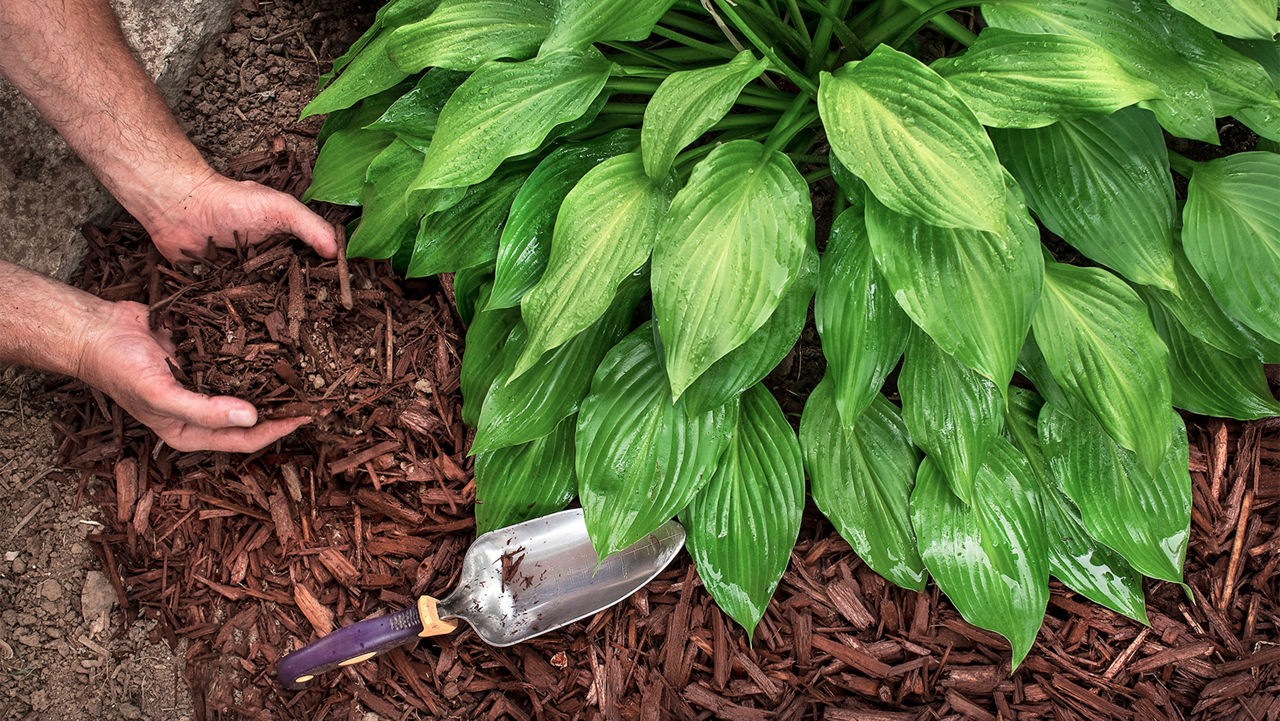
Laying mulch in a lanscaping area

If weeds are cropping up between pavers, in gravel, or out of patio or driveway cracks, try these targeted methods to control weeds away from grassy areas to avoid overspray that can damage your lawn.

Burning Weeds

Unless you live in an area prone to drought and wildfires, a weed torch may be used safely to heat up weeds and kill them above the soil surface around gravel and pavers—but be sure to check local fire conditions and laws, as some municipalities prohibit burning weeds. This method is most effective at tackling smaller weeds or seedlings and can be used in combination with other techniques, like physical removal with hand tools, to first kill the foliage and seeds before a follow-up treatment to remove the root.

Boiling Water

Like fire, boiling water kills weeds by damaging plant tissue above the soil surface. If it’s poured liberally enough, it can also reach the root and instantly kill the whole plant. But it doesn’t discriminate, so it’s best applied to isolated weeds poking out of cracks in hard surfaces, because it will kill nearby grass or plants if it comes into contact with them.

Vinegar-Based Treatments

Another topical method for killing weeds is vinegar, also known as acetic acid. Unlike the diluted household-strength pantry staple, which has between 3 and 5% acidity, horticultural vinegar is much more concentrated at up to 50% acidity.

Horticultural vinegar is a contact herbicide best sprayed in warmer weather, and it’s more effective on younger or annual weeds without strong root systems. Because it’s a caustic chemical, horticultural vinegar should be used with caution. Wear PPE and long sleeves and pants as it can burn exposed skin, and be careful not to overspray, as vinegar can kill grass and other non-target plants.

Mulching Around Landscaping and Edges

Looking for a passive method to prevent weeds in planting beds and on edges? Add mulch. It blocks the sunlight weeds need to germinate, stopping their life cycle. It also has added benefits: It improves soil quality and helps retain moisture, cutting down on watering.

Tip: Apply mulch liberally for the best weed-fighting success.


Using Cardboard or Landscape Fabric

Similar to the effects of mulch, landscape fabric and recycled cardboard boxes can be placed around plants in garden beds and on pathways to suppress weed growth underneath, especially over exposed soil.

What If Weeds Keep Coming Back?

Invasive plants and well-established weeds with strong roots can be especially challenging to eradicate. Some weeds have taproots that burrow deep underground, or dormant seeds that can be revived when disturbed.

The presence of weeds in your lawn may also indicate an underlying lawn issue that requires a holistic strategy. If weeds continue despite all your efforts, check your soil pH and composition (start with your local university extension), and determine whether the grass is outcompeted by weeds and requires better coverage with lawn repair and reseeding. Too little or too much watering can affect weed growth too, so consider changing your watering schedule.

Preventing Weeds with Weed Preventers

To prevent weeds from growing on a lawn before it’s been seeded or after weeds have been destroyed on an existing lawn, apply a weed preventer. Pre-emergent weed killers can prevent grass seeds from germinating as well, so be sure to apply well before spreading grass seed for a new lawn or when planning to overseed to repair a patchy one.

The Best Long-Term Weed Prevention Is a Healthy Lawn

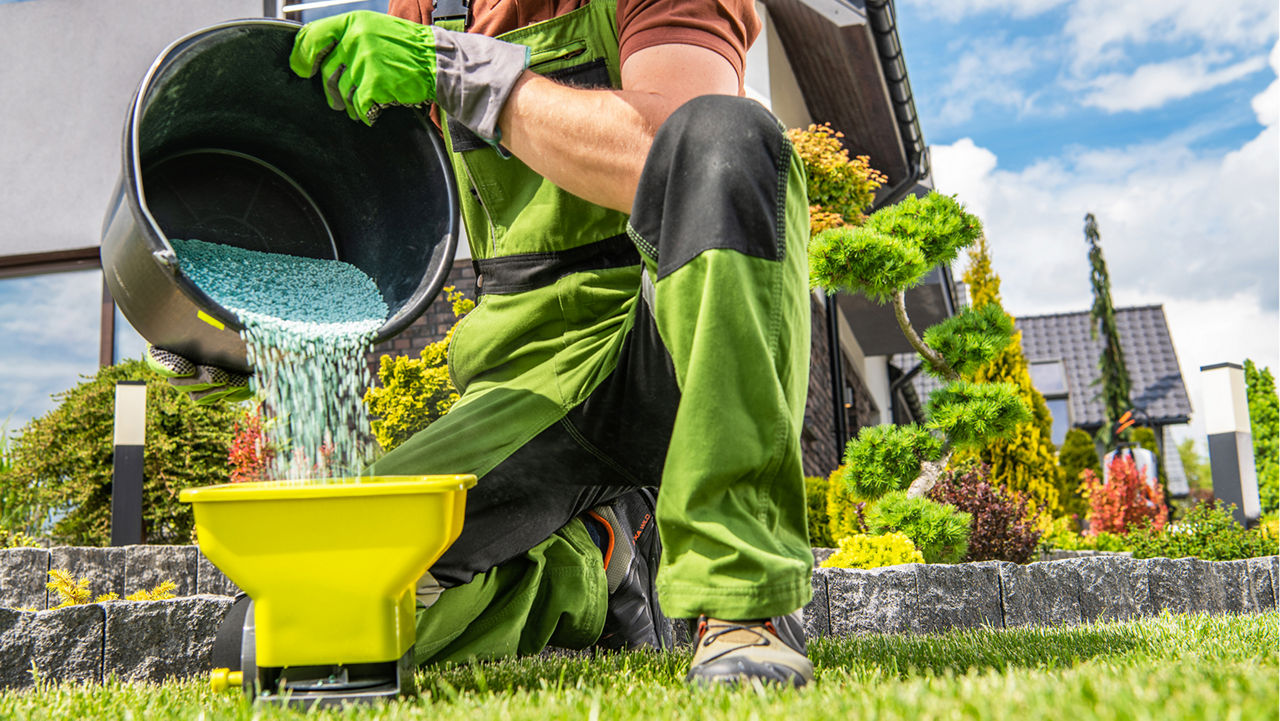
A man pouring lawn fertlizer into a handheld spreader

Avoiding weed problems altogether starts with prevention. For a lush, green, weed-free yard, be sure to mow at the right height for your grass type to avoid stressing the lawn. Stick to a watering and fertilizing regimen to ensure your lawn receives the nutrients to stay healthy and improve density, and keep weeds in check by overseeding thin areas.

To control weeds and maintain a lush lawn without problem plants, you’ll need a three-pronged approach: lawn health, prevention, and targeted removal. Over time, healthy grass that is properly watered and fertilized will be able to better outcompete weeds in your lawn. 

Preventing weeds with a weed preventer from Do It Best can stop them before they start. And when weeds crop up, remove them at the root or spot treat them with weed killer sprays. Browse Do It Best to find products at your local store, and choose same-day pickup or home delivery.

test

How to Properly Plant Grass Seed for a New Lawn

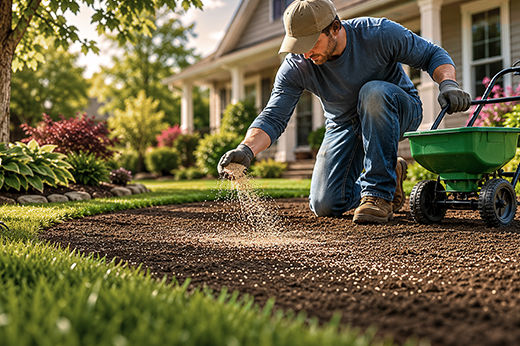
Learn how to properly seed a new lawn with this full guide. Explore the importance of preparing your lawn, apply seed, and how to ensure your seed grows.

Learn more
test

When is the Best Time to Plant Grass Seed?

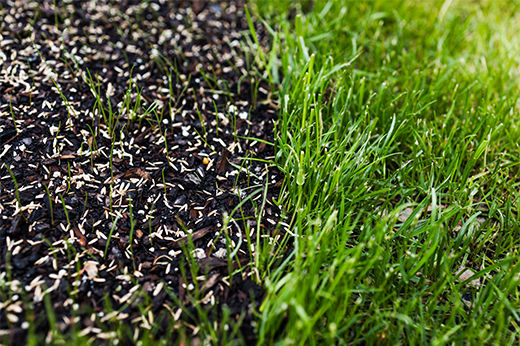
Not sure when to plant your grass seed? Find out the ideal timing based on your climate, grass type, and seasonal conditions for the best results.

Learn more
test

Grass Seed Buying Guide

Get better results from your lawn by choosing the right grass seed. Explore key factors like climate, usage, sun exposure, and more before you buy.

Learn more
test

Snowblower Buying Guide: Spend Less Time Shoveling

Learn how to pick the best type of equipment to fit your needs

Learn more
test

Benefits of Planting Fruit Trees

Let your yard thrive this year by adding a new tree to the mix

Learn more