How to Properly Plant Grass Seed for a New Lawn

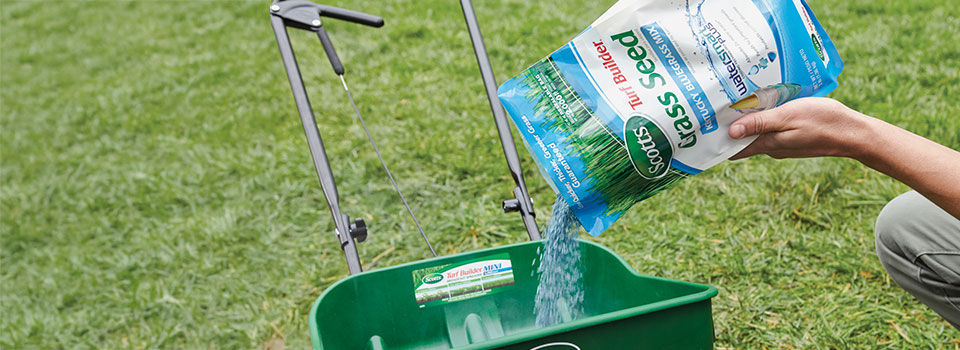
Person pouring grass seed into a spreader

Planting grass seed may seem simple, but when you’re ready to start a new lawn, many factors will affect your success. For the healthiest, most beautiful lawn, a little planning goes a long way.

How and when to spread grass seed, the type of grass you choose, how much to plant, soil condition, and your watering regimen all play important roles. This guide will walk you through each step to help you achieve a healthy, lush green lawn right from the start.

Start by Choosing the Right Grass Seed

The first step is to determine which grass seed is right for your home. The seed that will germinate into healthy grass in your soil depends on your climate, and for homeowners in the cool-season or warm-season grass zones (see our Grass Seed Buying Guide for more information), the choice is more straightforward. But for those in the transition zones, a blend of the two for your particular area may be best.

Once you’ve determined the right grass types for your climate, narrow down the options by assessing your new lawn’s sun exposure, usage, and maintenance needs. (Refer to our Grass Seed Buying Guide for help.)

When you’ve chosen the right seed for your new lawn’s conditions, calculate how much seed you’ll need based on the type of grass and your lawn’s square footage. Some grass seeds, like fescue, are smaller and require more pounds per 1,000 square feet than other species. For overseeding an established lawn, you’ll need about half that amount.
Plant at the Right Time

Another crucial factor, and one that’s often overlooked when planting a new lawn, is when to plant. The correct soil temperature can influence whether the seeds will germinate at all. Too cold, and seeds will stay dormant. Too warm, and seedlings will stress and die in the summer heat.

Your region and the species of grass you plant will determine the best time to sow seed. Cool-season grasses should be spread in the early fall when soil temperatures are about 65 °F. Warm-season grasses need warmer soil temperatures to germinate and should be planted in the late spring. Transition-zone grasses should be planted based on the dominant seed type in your blend. (Check our When to Plant Grass Seed post for more information).

No matter which region you live in, always check weather conditions for heavy rain, drought, extreme heat, or any unseasonable frost in the forecast that might jeopardize your seeds, and wait until they’ve passed before you plant.

Prepare the Lawn Before Planting

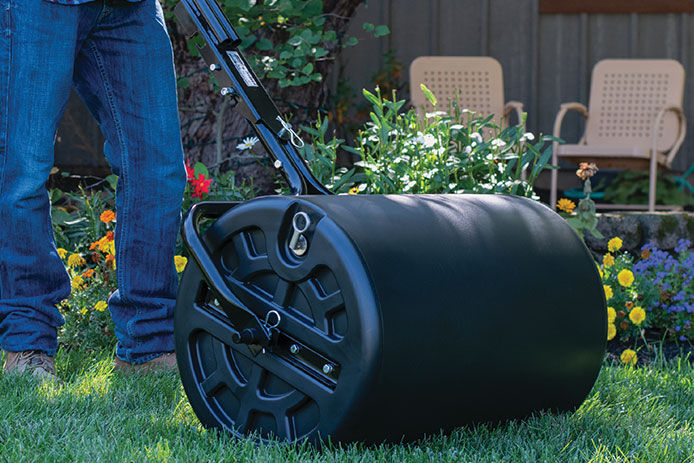
Person using a roller on grass

After choosing your grass seed and determining when to plant, it’s time to prep the soil.

  1. Test Soil pH (Optional): If you’re unsure about your soil’s condition, as an optional step before planting, you may want to check your soil’s pH. Most grass seeds need a soil pH that is slightly acidic or neutral, at 6.0–7.0. You can test your own with a soil pH meter or a kit for more comprehensive information about your soil conditions. Add any soil amendments to adjust pH before you plant.
  2. Gather Tools and Materials: Next, assemble what you’ll need to prep your lawn, along with the materials you’ll need for planting and feeding during the growing season.
    1. Grass seed: Be sure to have enough grass seed on hand to cover your square footage.
    2. Fertilizer: After seeds have germinated and establish their roots, you can apply fertilizer to provide the nutrients they need to grow into healthy grass.
    3. Spreader: For efficient planting and even coverage without bare spots, use a broadcast spreader.
    4. Garden rake: To ensure proper contact with the soil, use a garden rake to break up clumps before and after spreading to cover the seeds with a thin layer of soil.
    5. Roller: Press down the soil with a roller to even out the surface of your lawn after sowing.
    6. Watering tools: Use a hose with a sprinkler nozzle or a sprinkler for even, light watering of seeds and established grass throughout the season.
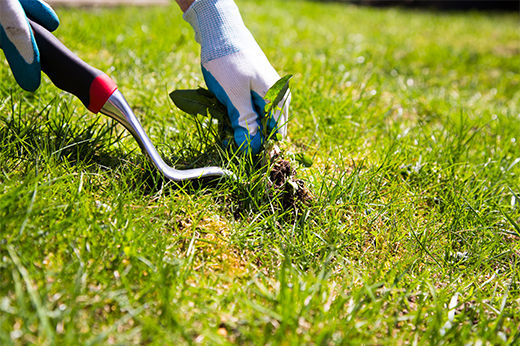
  3. Remove existing debris and weeds: To improve soil contact, remove rocks and sticks as well as any weeds and dead grass.
  4. Loosen and level the soil: To promote root growth and improve penetration for grass seedlings, break up compacted areas with a rake or hand tools, and fill in any low spots. For the healthiest start, aim for a fine, crumbly texture without clumps.

How to Apply Grass Seed Properly

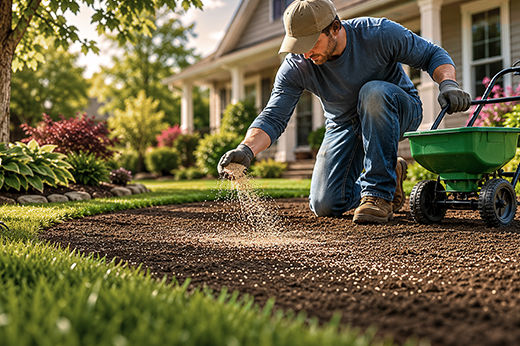
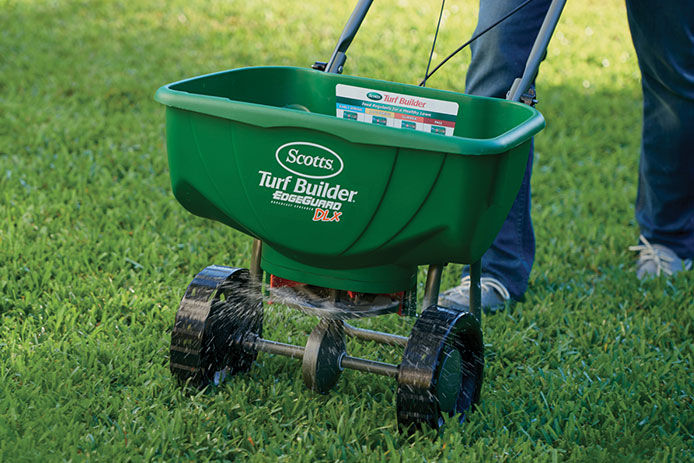
Person using a spreader

When your soil is prepped, you can begin spreading the grass seed. Even, efficient spreading along with raking helps ensure contact so that seeds can germinate and establish roots.

Spread Seed Evenly Using a Spreader

For large, open lawns, even spreading of grass seed is more easily achieved with a broadcast spreader, which deposits seed from all sides of the hopper. Simply pour the grass seed into the spreader and push along the lawn in straight lines without overlapping. Drop spreaders, which drop seeds only from the bottom of the hopper between the wheels, can be used for smaller lawns or when filling in edges of a larger lawn.

Calibrate your spreader using the coverage rates on your grass seed bag for even, proper coverage for your particular grass seed, which prevents over- or under-seeding. Too much grass seed leads to overcrowding that causes grass seedlings to compete for space and resources. Too little seed results in thin spots where weeds can more easily take root.

Tip: If you’re not sure which tool is right for your lawn, check out our post How to Choose a Lawn Spreader for guidance.

Lightly Rake Seed into the Soil

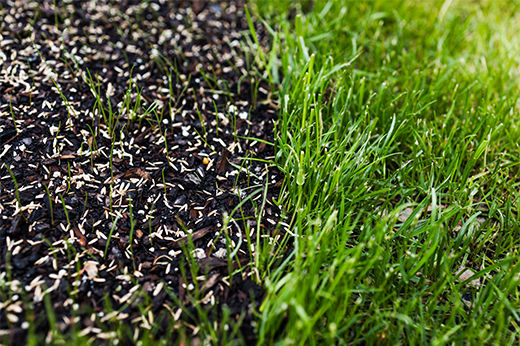
After your grass seed is spread, use a garden rake to help lightly cover seeds and improve germination. Without this step, seeds can sit on the soil surface, where they can dry out or become food for hungry birds or other animals. It also helps prevent washout from unexpected heavy rain or overwatering.

Tip: Be careful not to bury the seed too deeply. Many grass seed types require sun exposure to germinate.

Add Mulch or Straw If Necessary

Along with light sun exposure, grass seeds need enough moisture to germinate. To help them retain it between waterings, add a thin layer of straw or mulch. In addition to moisture retention, this can help stabilize seeds on uneven or sloping lawns where they may be washed away in the rain.

Tip: Applying too much mulch or straw can limit sun exposure, so use a light touch.

Watering New Grass Seed Correctly

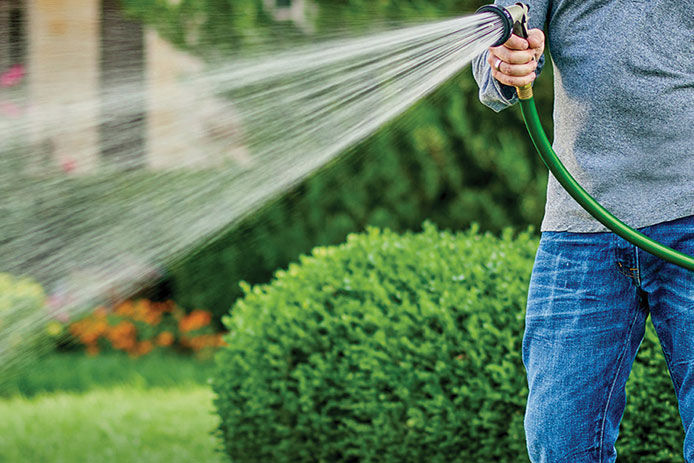
Person watering lawn with a hose with a sprinkler nozzle

No matter how well your soil is prepped or how evenly your grass seed has been applied, incorrect watering after spreading can spoil your success. For best germination and to support seedlings as they grow, follow these steps.

  1. Initial soaking: Immediately after planting, water your soil to a depth of 6 inches. To prevent runoff, use a light spray from a hose with a sprinkler nozzle or a sprinkler.
  2. Keep soil consistently moist: Germinating seeds need light and frequent watering. While setting a timer for automatic sprinkling affords convenience, it can also lead to overwatering that can wash away seeds or drown them. Unusually dry conditions can affect your seeds by preventing proper germination. Being mindful of the forecast and changing your watering schedule accordingly helps ensure growth.
  3. Adjust watering as grass establishes: As seedlings take root and begin to develop into mature grass, you can transition to deeper but less frequent watering.

Fertilizing After Planting

After planting, add fertilizer to support early root development. Once seeds have been raked, wait a few days (typically 3–7) and before roots have sprouted to apply an even layer of fertilizer. 

Avoid overfertilizing. Too much nitrogen can damage seedlings and lead to weak growth that can affect the health of your new lawn. For best results, follow the instructions on your product label, and follow the timing and application recommendations to avoid stressing the grass.

Protecting New Grass During Germination

As seeds germinate, their fragile roots need protection from abrasion and other disturbances so they can establish stronger roots that will sustain them throughout the season. To protect newly seeded areas, keep people and pets away. If wildlife visits your lawn, consider using temporary barriers to limit their contact during the early growing stages.

What Happens If Grass Seed Doesn’t Grow?

If after a few weeks grass seed doesn’t grow, you’ll need to identify the problem and correct the issue. The biggest reasons are:

  • Poor timing
  • Insufficient soil contact
  • Incorrect watering
  • Birds or runoff removing seed
  • Wrong grass type for the climate

Once you’ve determined the culprit, reseed any affected areas. Remember, with grass seed, timing is key. Smaller areas can be overseeded or reseeded, but for larger areas, you’ll want to wait until the right time of year to help your lawn establish when conditions are optimal for proper germination.

Planting a New Lawn vs. Overseeding

If your lawn has major damage, bare soil, or severe weed issues, opt for a full reseed, following the tips above to ensure the best chance of a healthy lawn. When you simply have patchy spots, you can overseed the area. If your lawn is healthy overall with a few bare patches, grass patch and repair products can rehab those areas to attain an even lawn.

Find Everything You Need to Seed a Lawn at Do it Best

Whether you’re in a cool- or warm-season grass climate or somewhere in between, successful grass growth starts with properly prepped soil and planting at the right time. Water consistently to support healthy growth all season long.

If you’re ready to plant a new lawn or repair an established one, browse Do it Best online and find everything you need from grass seed to lawn care supplies. Choose home delivery or same-day pickup at your local store and get started today on a lush green lawn you will be proud of.

Grass Planting FAQs

How long does it take for grass seed to grow?

While soil conditions, climate, and grass type can all affect germination and growth rates, most grass seeds take between 2 and 3 weeks to grow, but it may take as few as 5 days and as long as 30.

Can you put down too much grass seed?

Yes. Even coverage ensures that seeds don’t compete for water and nutrient resources that can inhibit healthy, even growth across your lawn.

Should you water grass seed every day?

Keeping the soil moist while seeds germinate and establish usually means watering every day. But too much or too little water can affect seed health, so monitor the soil and ensure even moisture during the first few weeks of a new lawn.

What happens if it rains after planting grass seed?

Grass seeds can withstand light rain, but too much rain can cause washout. If possible, avoid planting grass seeds if heavy rainfall is forecast.

When can you mow after planting new grass seed?

Mow a new lawn after grass reaches about 3 to 4 inches in height. This allows seeds to fully establish in the soil. For most grass types, it may take up to two months for the first mow.

test

When is the Best Time to Plant Grass Seed?

Not sure when to plant your grass seed? Find out the ideal timing based on your climate, grass type, and seasonal conditions for the best results.

Learn more
test

Grass Seed Buying Guide

Get better results from your lawn by choosing the right grass seed. Explore key factors like climate, usage, sun exposure, and more before you buy.

Learn more
test

Snowblower Buying Guide: Spend Less Time Shoveling

Learn how to pick the best type of equipment to fit your needs

Learn more
test

Benefits of Planting Fruit Trees

Let your yard thrive this year by adding a new tree to the mix

Learn more
test

How Do I Fix Bad Drainage in My Yard?

Use these tips to help keep your lawn dry and prevent flooding

Learn more