
When is the Best Time to Plant Grass Seed?
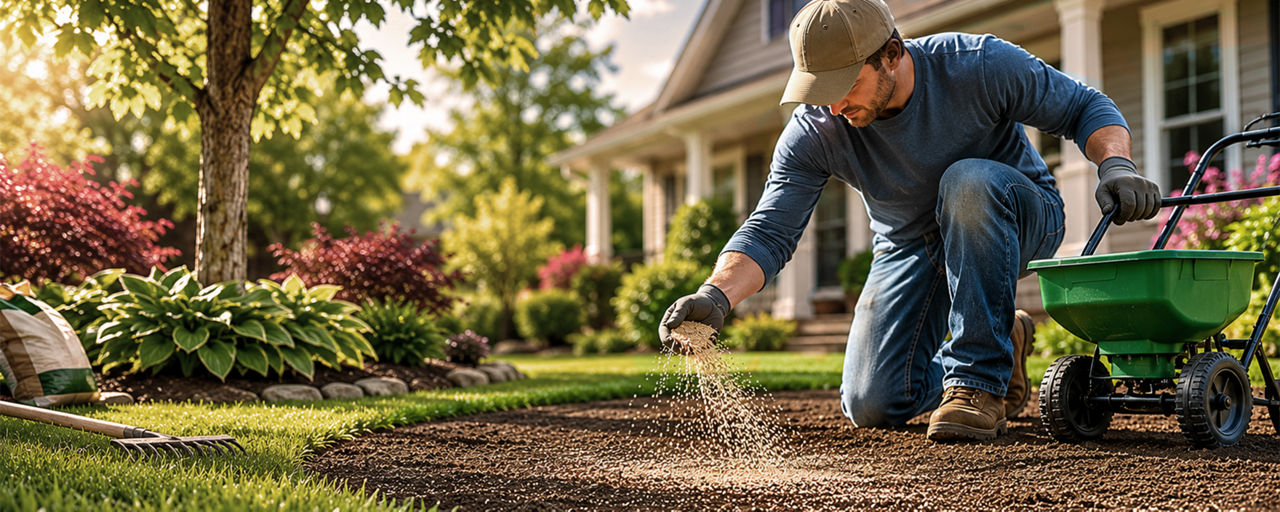
Not sure when to sow grass seed for a beautiful, lush green lawn? The type of grass seed you plant is only one factor to consider. When shopping for grass seed and preparing to plant, choose the right grass seed for your climate and lawn conditions. This guide will help you decide when to sow based on your location and climate to help you get the best results.
Pre-Seeding: Determine Your Grass Type
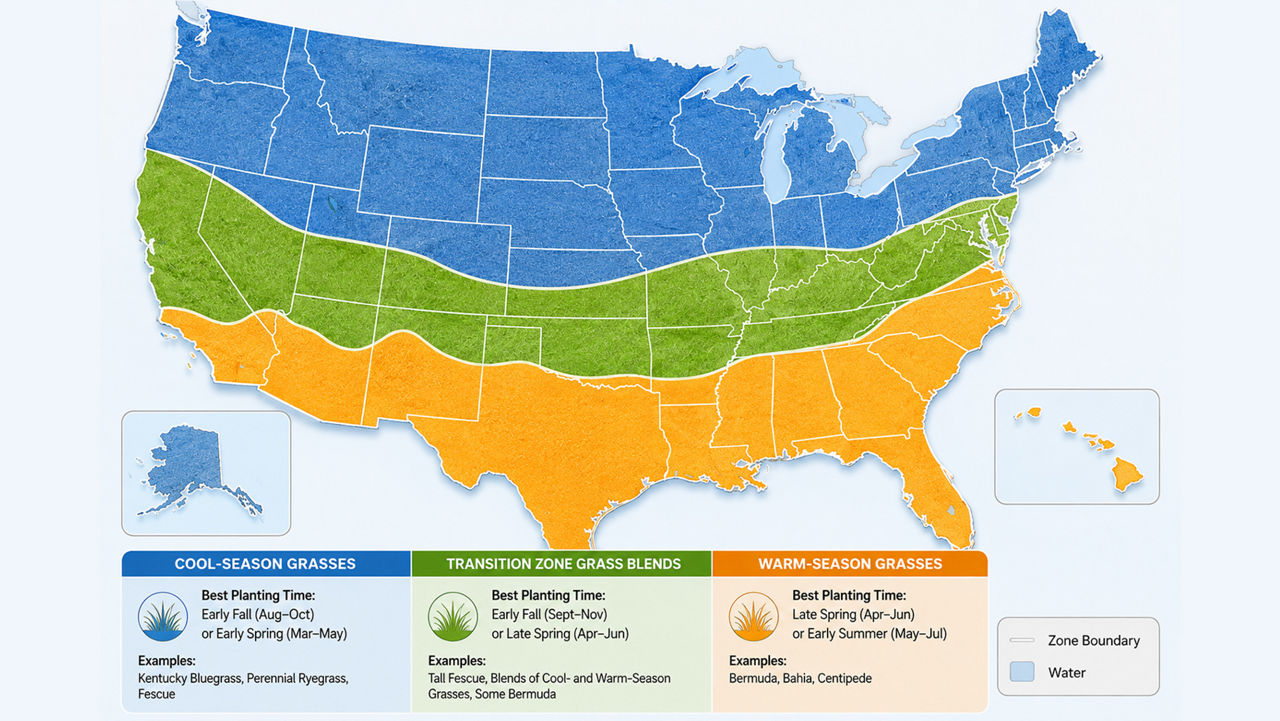
The first step in growing a successful lawn is determining which grass to plant based on where you live. As a general rule, cool-season grasses grow best from the Pacific Northwest (including most of California, except for desert regions) to the Northeast, including the northern parts of Virginia and Kentucky.
Warm-season grasses are optimal for lawns from southeastern California and southern Nevada to the southern US coastal regions, including Louisiana and Florida. Transition-zone grasses suit the region in between, developed for success in the Southeast, from Oklahoma to the northern Carolinas, most of Arkansas, and north Georgia, Mississippi, and Alabama.
Knowing your soil temperature can help you determine optimal planting time no matter where you live, but it may be especially helpful for homeowners in the transition zone or in areas that border it. Rather than relying on fluctuating daytime temperatures to estimate your soil temperature, use a soil thermometer to pinpoint when to plant so grass seeds can germinate.
Cool-Season Grasses
Grasses for cooler climates are found in most of the northern United States, making up the largest region. These types struggle in extreme heat and go dormant in summer, so they are best for northern states with cooler climates.
- Ideal soil temps for germination: 50–65 °F
- Examples: Kentucky bluegrass, perennial ryegrass, fescue
Transition-Zone Grass Blends
In the transition zone with both hot summers and cold winters, grass seed is best planted when soil temps are at least 60 ºF. In this zone, choose a seed blend made from cool- and warm-season grasses designed to adapt to fluctuating weather. Check the package for ideal planting times, which may vary by blend.
- Ideal soil temps for germination: 60–75 ºF
- Examples: Tall fescue (most common choice), blends of cool-season grasses, some warm-season grasses like Bermuda
Warm-Season Grasses
Drought-tolerant grasses thrive in the extreme heat of the southernmost states and are ideal for areas where rainfall is scarce.
- Ideal temps for germination: 75–90 °F soil temp
- Examples: Bermuda, Bahia, centipede
What Season Should You Plant Your Grass Seed?
Where you live generally dictates which season to plant your grass seed. But when to plant transitional seeds depends on the makeup of the blend, so be sure to check your lawn seed package carefully for instructions before sowing.
Fall
Plant cool-season seeds in early fall, between August and October, when the soil temperature is ideal for sowing and weeds are less likely to steal nutrients from germinating grass seeds. In fall, grass seeds benefit from consistent moisture without the risk of drought and are able to develop strong roots to establish the grass for overwintering. Once your lawn is established, you can also overseed it in fall to cover any bare spots that formed during the summer.
Most transition-zone grasses should be planted in fall, but if your seed blend includes more warm-season varieties like Bermuda, wait until early spring.
Spring
Late spring between April and June is the best time to plant warm-season seeds. These varieties need heat to germinate and establish their roots. Wait until after the last frost for your region and when overnight temperatures are consistently warm.
Transition-zone blends that favor warm-season grasses should generally be planted in spring, but for best results, check your package before sowing.
Consider Moisture and Rainfall Conditions
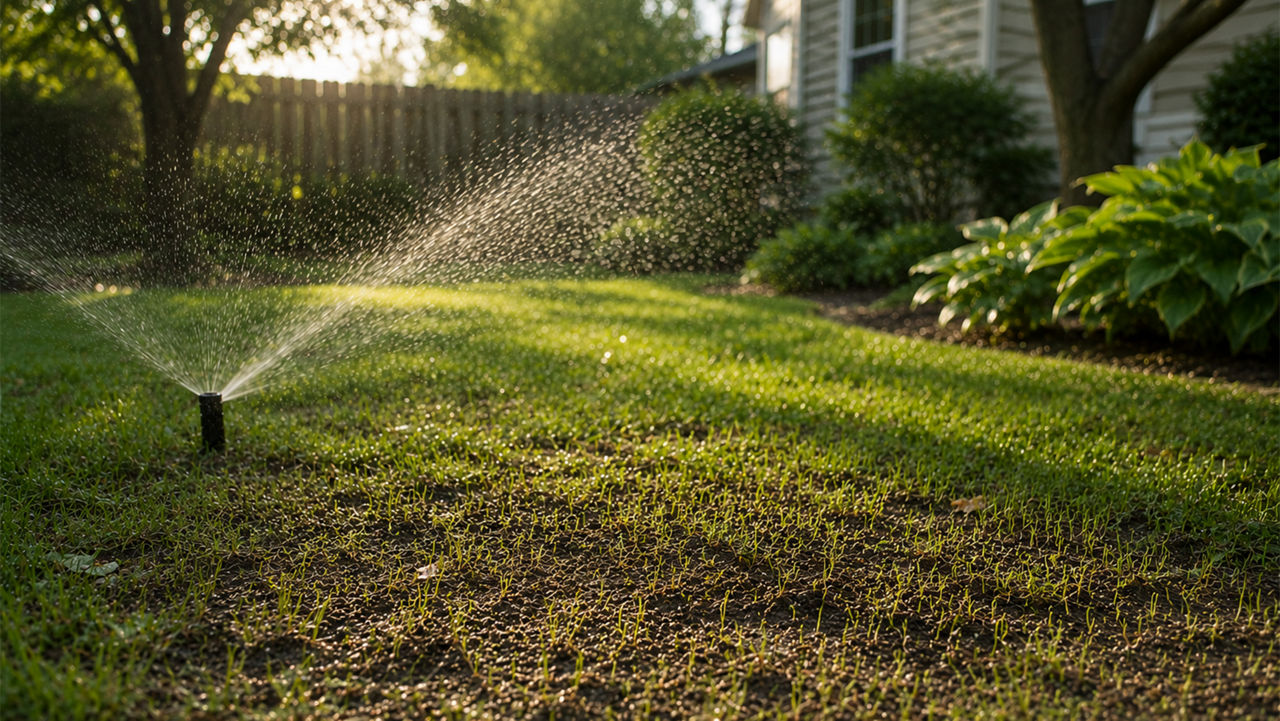
After the last frost in spring and before the first frost in fall are the best times to plant grass seeds because those times naturally provide the consistent moisture conditions seeds need to germinate. If you can’t plant during your grass seed’s ideal sowing season, be sure to water lightly and frequently to keep seeds from drying out.
Avoid planting during drought conditions or before heavy storms, when seeds can wash away. Overwatering can cause soggy seeds that don’t germinate, so be sure to water only when necessary, and monitor any automatic sprinklers to ensure seeds aren’t getting too much moisture.
New Lawn vs. Overseeding Timing
For success planting new lawns, follow the general rules above regarding sowing times (fall for cool-season grasses, spring for warm-season varieties). New lawns are more sensitive than grass planted for overseeding, which can be done in early fall or spring regardless of seed type.
Plant Right with Do it Best
Choosing the right time to plant grass is the biggest factor in achieving a healthy green lawn you can be proud of. Knowing when to plant is crucial, and fortunately, it’s easily determined by where you live. New lawns will be most successful if you wait for the right window to sow grass seeds. Be sure to consider grass type, soil temperature, and seasonal conditions when choosing the best seed for your lawn, especially in the transition zone.
Do it Best carries a wide selection of grass seed types for any climate. Browse grass seed and grass repair products online and take advantage of home delivery or same-day pickup at your local Do it Best store, or stop in and browse in person to get your questions answered by one of our knowledgeable associates.
FAQs
What happens if you plant grass seed at the wrong time?
Timing is the most crucial factor for success when planting a new lawn. If you sow your seeds when conditions are too wet, seeds will wash away or rot, requiring you to replant when the time is right for your region. If conditions are too dry, seeds may not germinate at all. Warm-season grasses need heat to germinate, but extreme heat and drought conditions will not help new seeds establish their roots.
How long does it take for grass seed to grow?
Once planted, grass seeds take from one to four weeks to germinate. Cool-season grasses typically germinate faster than warm-season varieties. Once seeds germinate, it will be several more weeks before seeds grow into a lush lawn. During that time, try to keep foot traffic on the growing lawn to a minimum to ensure even growing.
Should you water grass seed every day?
To keep the soil moist and to prohibit grass seeds from drying out while they germinate, water up to three times per day under optimal growing conditions in spring or fall. During unexpected heat waves, be sure to water more often, but monitor your seeds to avoid overwatering and washout. Soil should be moist to the touch without puddles of water accumulating on the surface.
Related Articles
How to Kill Weeds Without Killing Your Grass
Killing grass while trying to eliminate lawn weeds is a struggle for many homeowners. Learn more on how to kill weeds naturally without harming your grass.
Learn more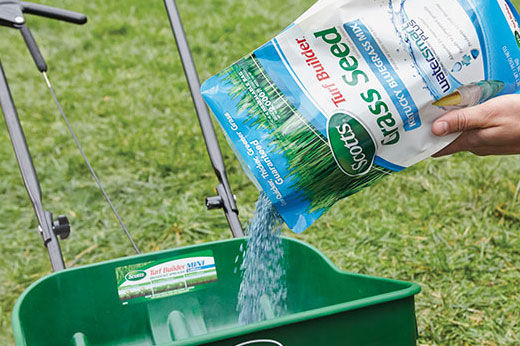
How to Properly Plant Grass Seed for a New Lawn
Learn how to properly seed a new lawn with this full guide. Explore the importance of preparing your lawn, apply seed, and how to ensure your seed grows.
Learn more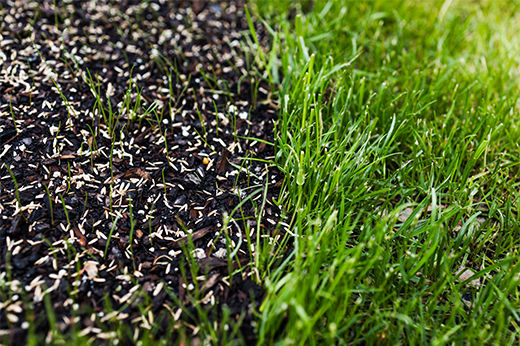
Grass Seed Buying Guide
Get better results from your lawn by choosing the right grass seed. Explore key factors like climate, usage, sun exposure, and more before you buy.
Learn more
Snowblower Buying Guide: Spend Less Time Shoveling
Learn how to pick the best type of equipment to fit your needs
Learn more
Benefits of Planting Fruit Trees
Let your yard thrive this year by adding a new tree to the mix
Learn more