Table of Contents:
Types of Sanders
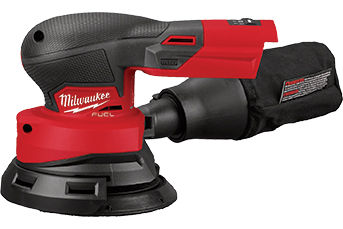
1. Random Orbit Sanders
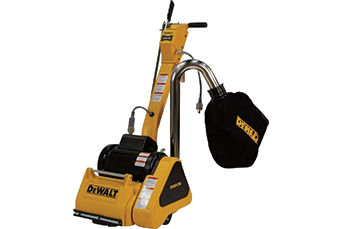
2. Drum Sanders
3. Belt Sanders
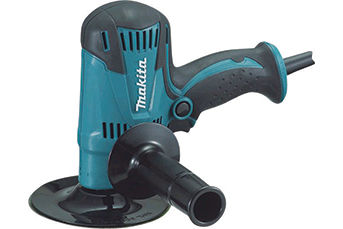
4. Disc Sanders
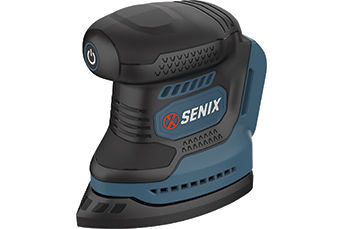
5. Finish Sanders and Detail Sanders
- Cordless Sander Accessories to Keep Nearby
How to Choose the Right Cordless Sander
Table of Contents:
Types of Sanders
1. Random Orbit Sanders
2. Drum Sanders
3. Belt Sanders
4. Disc Sanders
5. Finish Sanders and Detail Sanders
How to Choose the Right Cordless Sander
Sanders are used extensively in woodworking, remodeling, paint prep, and refinishing projects. With modern cordless sanders, you can work anywhere without dragging a cord or searching for power. How do you know which sander is right for your project? Below are some of the most common types of sanders and their uses.
Do it Best carries sanding accessories for all different kinds of sanders. Below is a list of common items you may want to keep on hand or replace as needed:
Extra sanding discs, wheels, sheets, or belts in various grit levels.
Dust bags or shop vacs to keep the area clean.
Backup batteries and chargers for consistent and extended use.
Work gloves, safety glasses, and dust masks for safety.
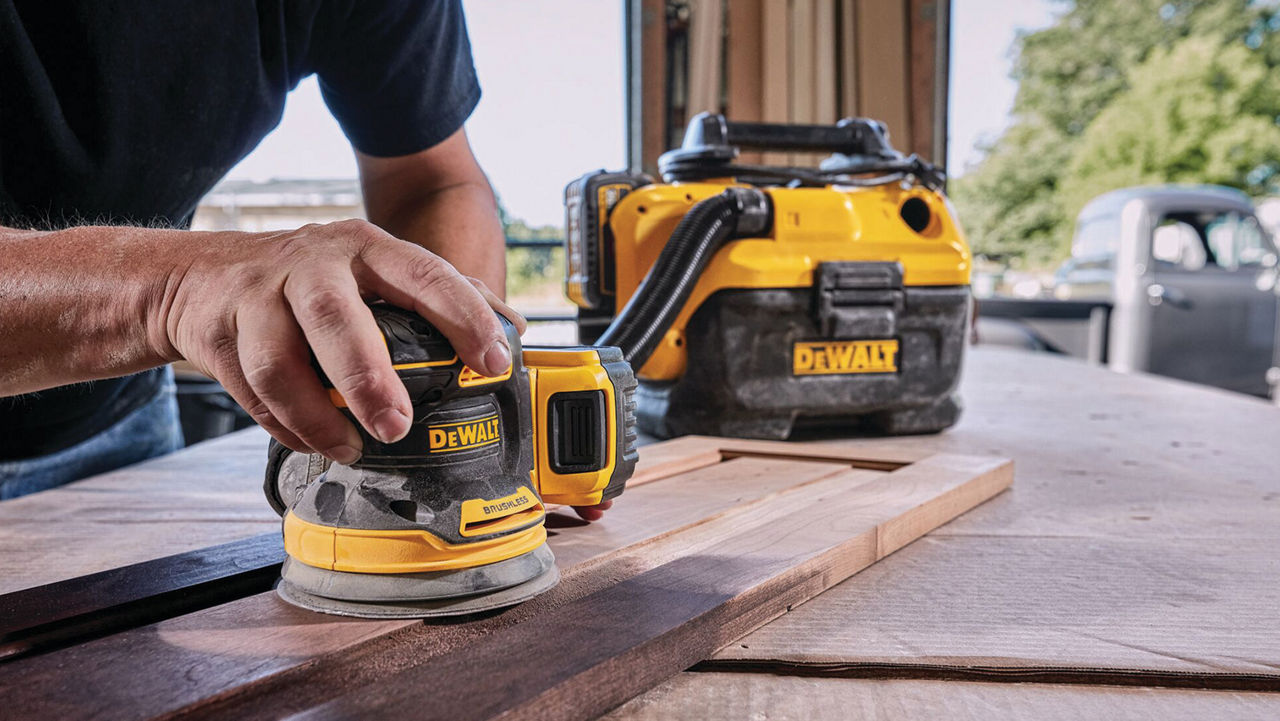
Surface Type – Is the area large and flat? Go with a finish or belt sander. Will you have to handle tight corners? Use a detail sander.
Material Type – Are you working with wood, drywall, metal, or trim? Match the sander and grit to the material.
Power Needs – Bigger jobs may need higher-voltage tools or backup batteries.
Dust Collection – Look for models with dust bags or vacuum adapters to stay clean.
Battery Compatibility – Stick with your existing tool platform— Do it Best has high-quality sanders from trusted brands like DeWalt, Milwaukee, and more.
The right cordless sander makes your work cleaner, faster, and more flexible. Whether you're doing trim, furniture, decks, or drywall, there’s a tool for the job.
Browse our full selection of cordless sanders.
Can one sander handle all types of projects?
No single sander is perfect for every job. While random orbit sanders are versatile, you’ll often need a specialized tool like a belt sander for fast removal or a detail sander for detailed areas.
Are sanders safe for beginners to use?
Yes. Most handheld sanders are safe if used correctly. Always wear safety gear, keep a firm grip, and let the tool do the work instead of forcing it.
Can sanders be used on metal or plastic?
Yes, with the right abrasive discs or sheets. Just be sure to use grits and sanding accessories designed for the specific material to avoid damage.
What’s the biggest mistake to avoid when sanding?
Applying too much pressure. This can gouge the surface, wear out sandpaper faster, and strain the motor. Light and even pressure works best.
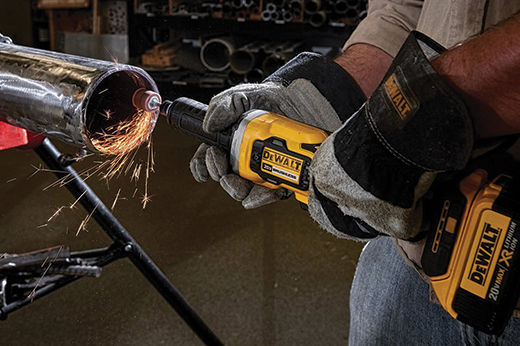
Not sure whether you need a die grinder or angle grinder? This guide compares advantages, use cases, power, and more to help you choose the right tool.
Learn more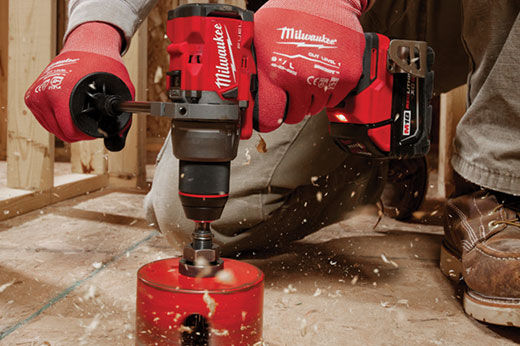
Discover the best cordless drill and drill/driver sets for every type of user, from first-time homeowners to experienced contractors. This guide breaks down top-rated kits by performance, value, and intended use to help you find the right tool set for your next DIY or professional project.
Learn more
Skip the neckties and get that special man in your life something he'll love!
Learn more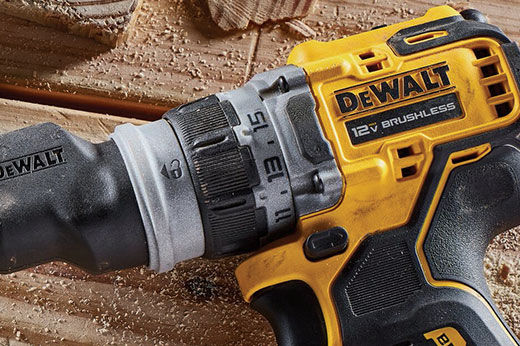
Learn the difference between brushed and brushless drill motors, including power, battery life, durability, and cost. This guide helps you choose the right drill for your projects, whether you need a basic DIY tool or a high-performance option for tougher jobs.
Learn more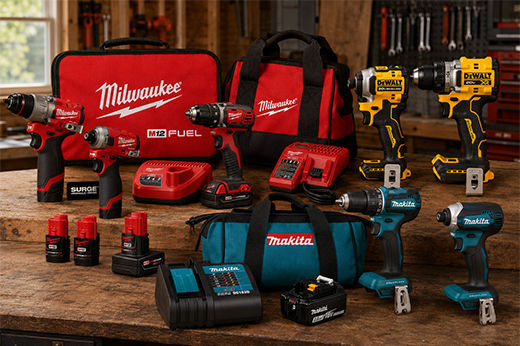
Looking for a new cordless drill for mechanic and automotive work? Find our top seven drill and impact driver picks based on power/speed and precision.
Learn more